



南アジアの歴史・社会・文化・文学
South Asian History, Society, Culture, Literature
| 書名 | 著者名 | 冊数 | 出版元 | 刊行年 | 価格 | 解説 | |
|---|---|---|---|---|---|---|---|
 |
The First Firangis: Remarkable Stories of Heroes Healers, Chalatans, Courtesans & Other Foreigners who Become Indian. | Harris, Jonathan Gil | 318p. illus. | Aleph Book | 2015 | 2,618円 | Immigrants -- India -- History -- 16th-17th centuries The Indian subcontinent has been a land of immigrants for thousands of years: waves of migration from Persia, Central Asia, Mongolia, the Middle East and Greece have helped create India's exceptionally diverse cultural mix. In the centuries before the British Raj, when the Mughals were the preeminent power in the subcontinent, a wide array of migrants known as 'firangis' made India their home. In this book, Jonathan Gil Harris, a 21st-century firangi, tells their stories. |
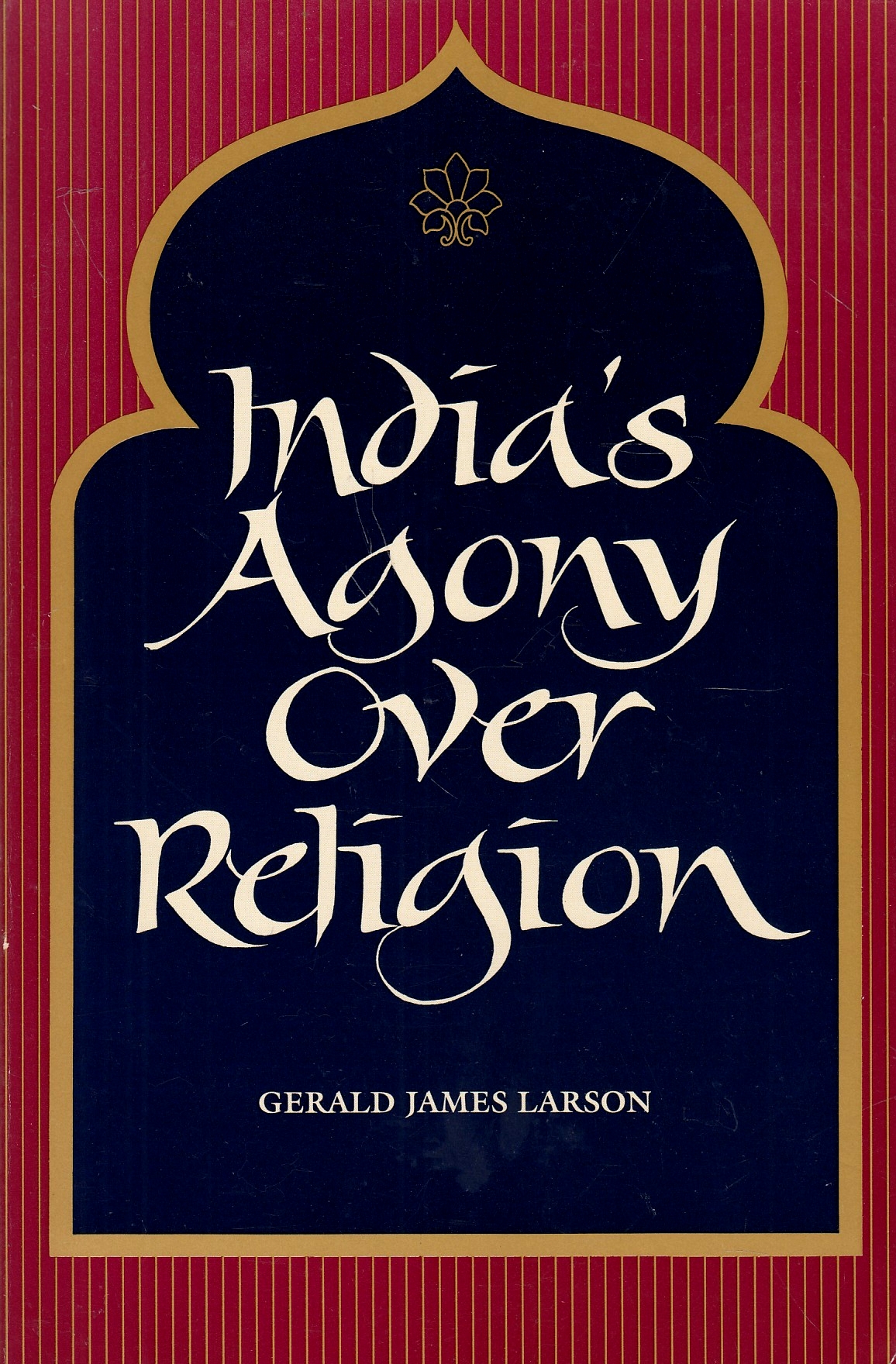 |
India's Agony over Religion. | Larson, Gerald James | xiv,393p. pap. | SUNY | 1995 | 1,815円 | India -- Civil religion -- Religion and state -- History Many of ancient India's religious traditions are alive in modern India, and many of these religious traditions are in conflict with one another regarding the future of India. Even the so-called "secular state" is deeply pervaded by religious sentiments growing out of the Neo-Hindu nationalist movement of Gandhi and Nehru. A careful analysis of the current religious scene when placed in its proper long-term historical perspective raises interesting questions about the nature and future of religion not only in India but elsewhere as well. |
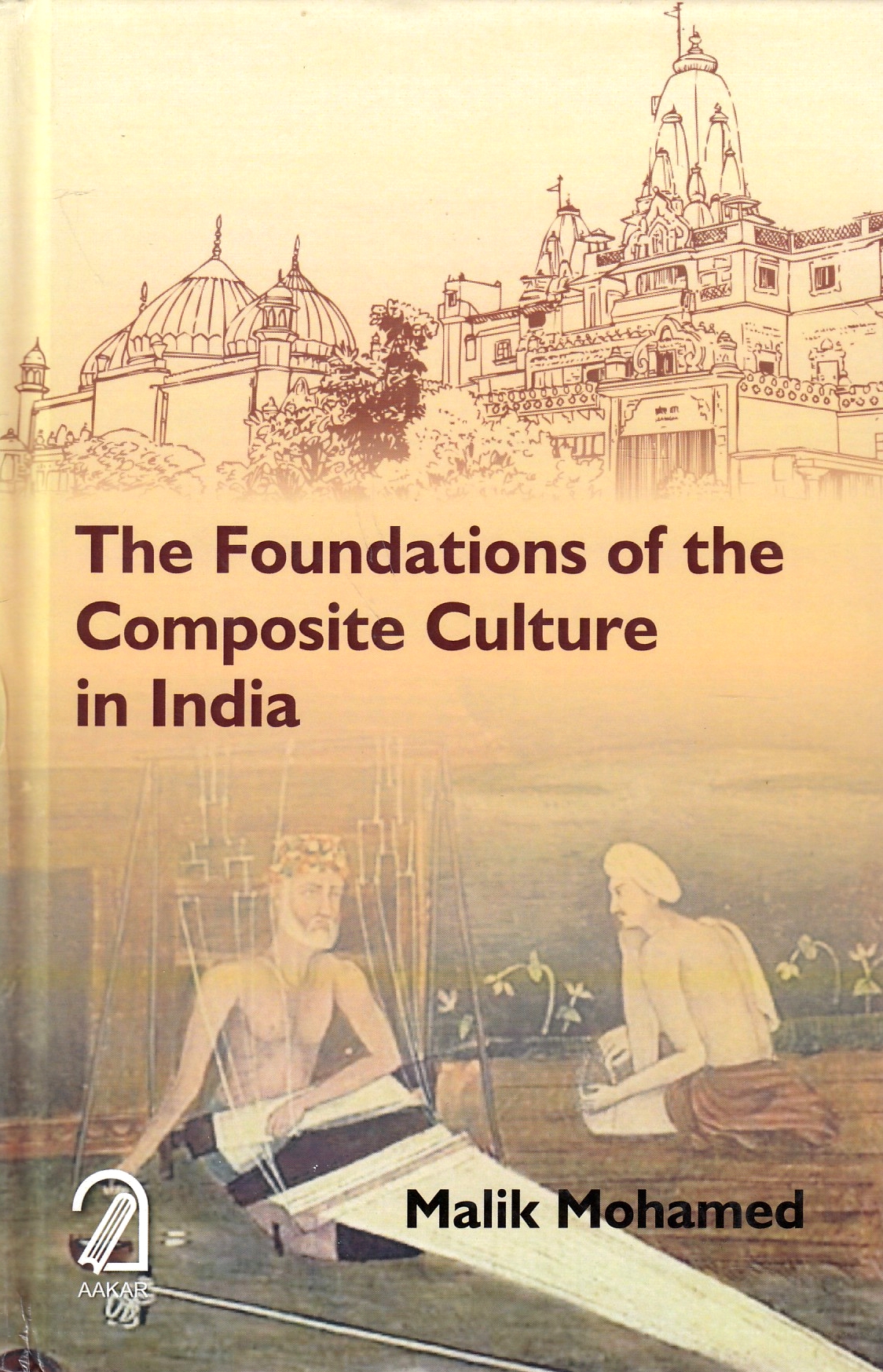 |
The Foundations of the Composite Culture in India. | Mohamed, Malik | 496p. | Aakar | 2016(07) | 6,578円 | India -- Civilization -- 1200-1765 -- Bakti -- Sufism -- History In The Foundations of the Composite Culture in India, the focus of the author is the process of establishment of Hindu-Muslim unity as a result of historical, social and cultural factors over a period of ten centuries. Traversing this era, he reveals how the Muslim rulers contributed to such harmony and how the two cultures exchanged and accepted each other's tenets to enrich and formulate a composite Indian culture. To explore the foundations on which the complex culture of India rests, the author examines the contribution of Sufism which inherently connotes syncretism and tolerance, as well as the simultaneous rise of the Bhakti movement in medieval India. |
 |
Ramabhyudayam. | Narasimha | 352p. | Oriental Research Inst. & Manuscripts Library, U. of Kerala | 2003 | 1,485円 | Kāvya --Sanskrit literature -- Narasimha -- Rāma (Hindu deity) Poetry Rāmābhyudayam / [Narasiṃhamahībhujā] ; sampādikā, Pi. Viśālākṣī. In Sanskrit; prefatory matter in English Rāmābhyudayam is a kāavya based on Rāmāyana story. The work is modelled as a Mahākāvya. The author of this work is Sāluva king Narasimha. The work as a whole exhibits commendable mastery of language. |
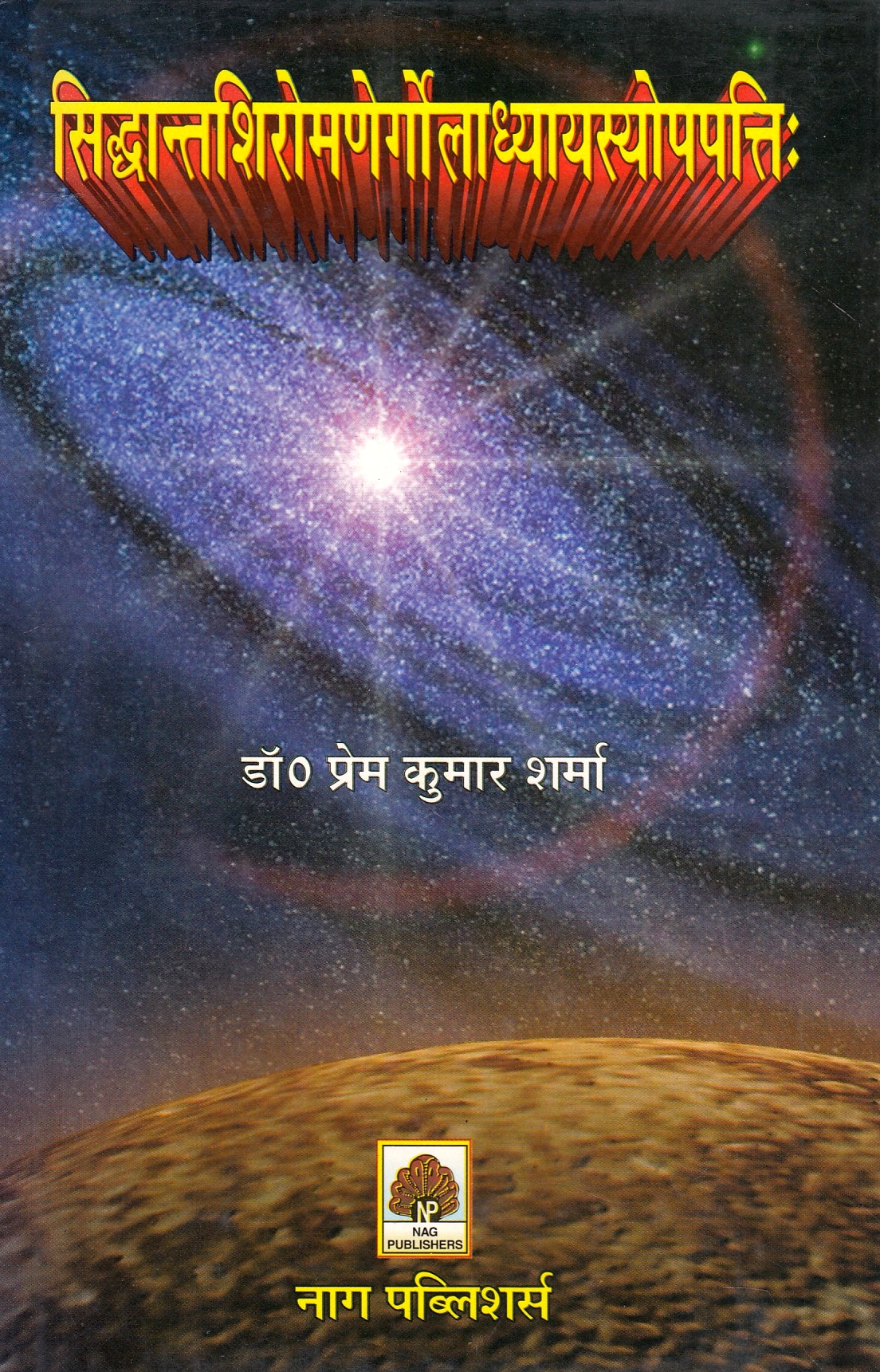 |
Siddhantasiromanergoladhyayasyopapattih. | Prema Kumara Sarma | xiv,362p. | Nag Publishers | 2005 | 1,100円 | Bhāskarācārya, -- 1114-11. -- Siddhāntaśiromaṇi -- Astronomy -- Mathematics Siddhāntaśiromaṇergolādhyāyasyopapattiḥ / Prema Kumāra Śarmā Study of Golādhyāya, portion of Siddhāntaśiromaṇi of Bhāskarācārya, born 1114, work on Hindu astronomy and mathematics. |
 |
The Enigma of the Universe : | Kumar, Muni Mahendra | xxxv,445p. | Jain Vishva Bharati University | 2010 | 2,250円 | Jaina philosophy -- Jaina cosmology Chapter 1: What Is Universe? (A) Nature of Reality: idealism and realism (B) Space and time 2: Universe in Modern Science 3: Jain Cosmology 4: A Critique |