



南アジアの歴史・社会・文化・文学
South Asian History, Society, Culture, Literature
| 書名 | 著者名 | 冊数 | 出版元 | 刊行年 | 価格 | 解説 | |
|---|---|---|---|---|---|---|---|
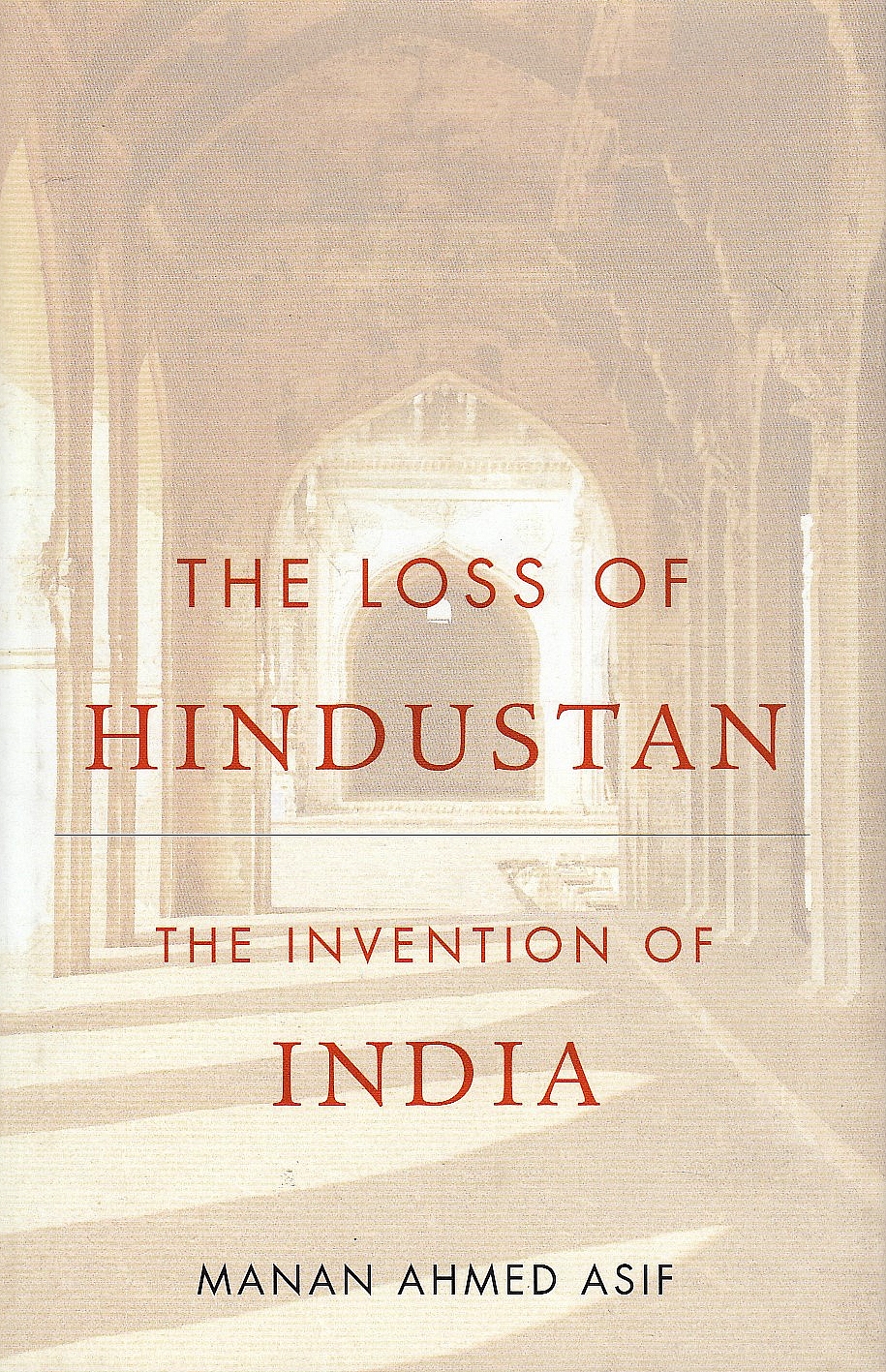 |
The Loss of Hindustan: the invention of India. | Asif, Manan Ahme | ix,321p. | Harvard U.P. | 2020 | 7,392円 | India -- Europeans -- Nationalism -- History The Loss of Hindustan presents a radical re-interpretation of how Europe came to see "India," and how "India" re-imagined history and in the process lost its identity of Hindustan as a home for all faiths. Asif uses Persian, Urdu, Sanskrit, English, French, Portuguese, and German histories about the subcontinent to demonstrate the work of history writing in the subcontinent before European rule, and how the practice of history writing changed as a result of colonialism. Turning back to the subcontinent's medieval past, the author focuses on the monumental history of Hindustan by Firishta, "Tarikh-i Firishta" which was written ca 1608 CE in the central, Deccan, region of the subcontinent. Firishta became the key source for European philosophers (Voltaire, Kant, Hegel) and historians (Edward Gibbon, James Mill) in the eighteenth and nineteenth century. Introduction: The end of Hindustan The question of Hindustan An archive for Hindustan The places in Hindustan The peoples in Hindustan A history for Hindustan |
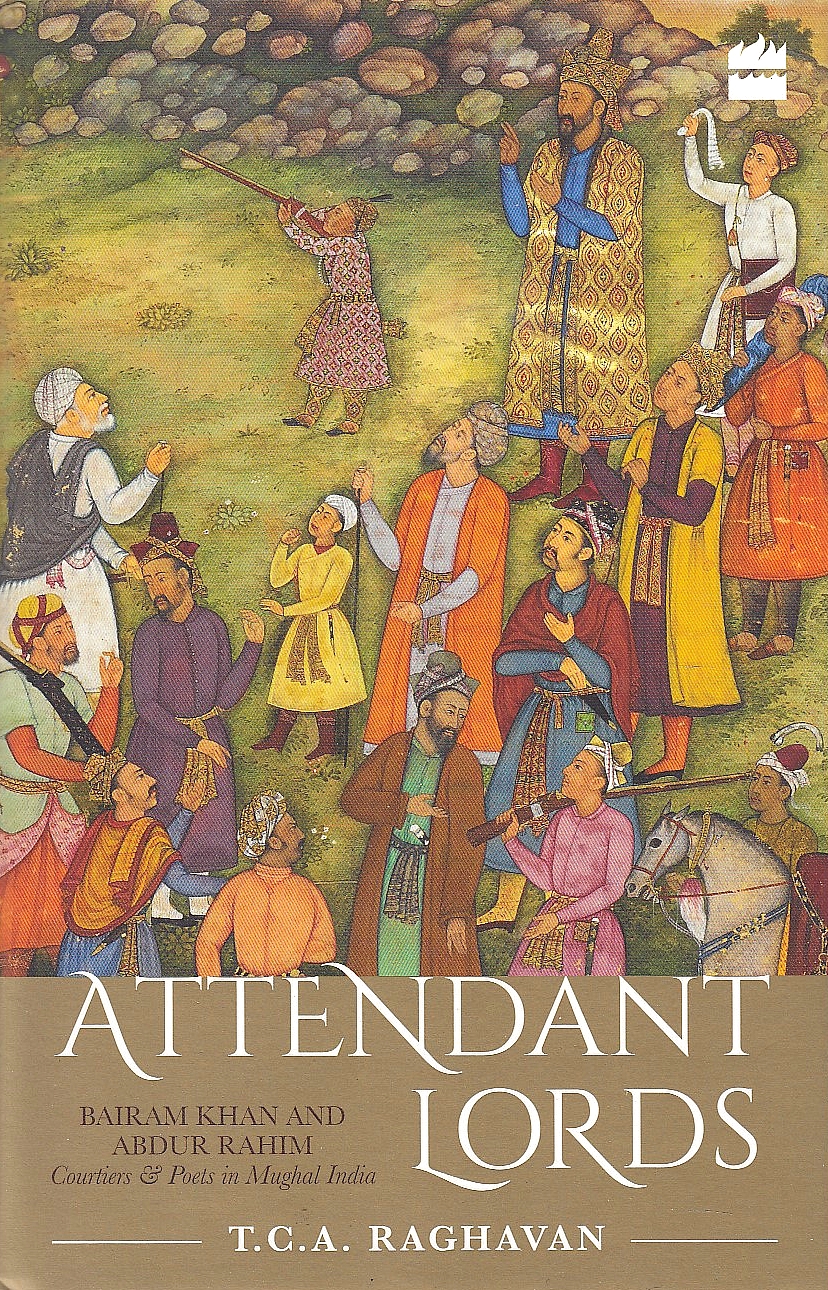 |
Attendant Lords: Bairam Khan and Abdur Rahim: courtiers & poets in Mughal India. | Raghavan, T.C.A. | xiii,337p. illus. | HarperCollins | 2017 | 3,460円 | Nobility -- Poets -- Mogul Empire -- Biography -- History Bairam Khan and his son, Abdur Rahim Khan-i-Khanan were soldiers, poets and courtiers whose lives reflected the turbulent times they lived in. In telling their stories, Attendant Lords spans the reigns of four emperors - Babur, Humayun, Akbar and Jahangir - and covers over a hundred years of Mughal history, a time when these two noblemen were at the very heart of the court's labyrinthine politics. -- After Humayun's untimely death, Bairam Khan was regent to the young Emperor Akbar for four critical years. Bairam's own son, Abdur Rahim, became one of the most important generals of the Mughal Empire, but he is best remembered for his literary prowess, most particularly for his famous 'dohas'. Literature plays a large part in this story. -- This unusual dual biography traces the lives of these two noblemen against the backdrop of the courtly intrigues, brutal power struggles and the grand literary endeavours of the Mughal court. And it looks at their afterlives - how politics and the Hindi-Urdu debate reincarnated them as national heroes; how both men came to be seen as standing at the confluence of Hinduism and Islam; how their life stories have undergone subtle transformations; and how history, religion and literature combine in the broader context of nationalism and nation building |
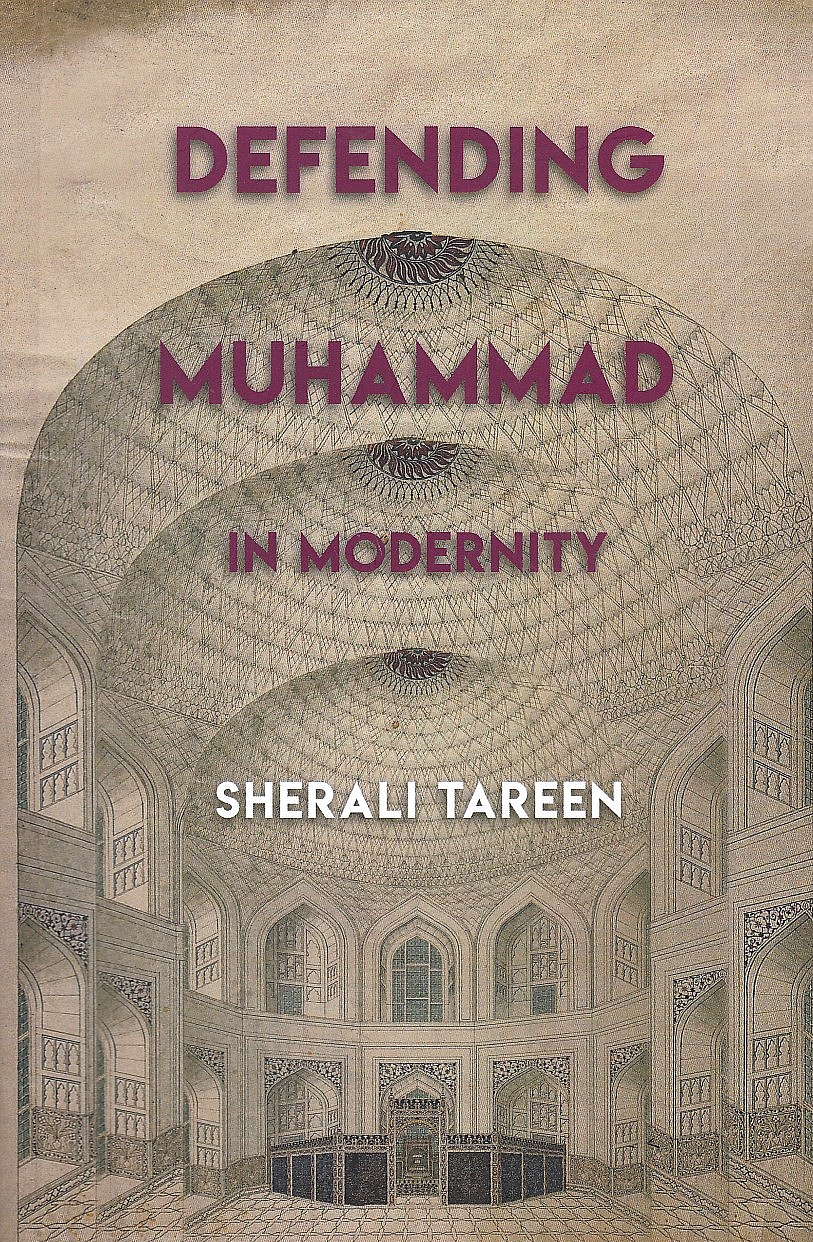 |
Defending Muhammad in Modernity. | Tareen, SherAli | xxii,482p. | Permanent Black/ Ashoka Univ. | 2020 | 2,780円 | South Asia -- Religion -- Bareilly School (Islam) -- Deoband School In this groundbreaking study, SherAli Tareen presents the most comprehensive and theoretically engaged work to date on what is arguably the most long-running, complex, and contentious dispute in modern Islam: the Barelvī-Deobandī polemic. The Barelvī and Deobandī groups are two normative orientations/reform movements with beginnings in colonial South Asia. Almost two hundred years separate the beginnings of this polemic from the present. Its specter, however, continues to haunt the religious sensibilities of postcolonial South Asian Muslims in profound ways, both in the region and in diaspora communities around the world. |
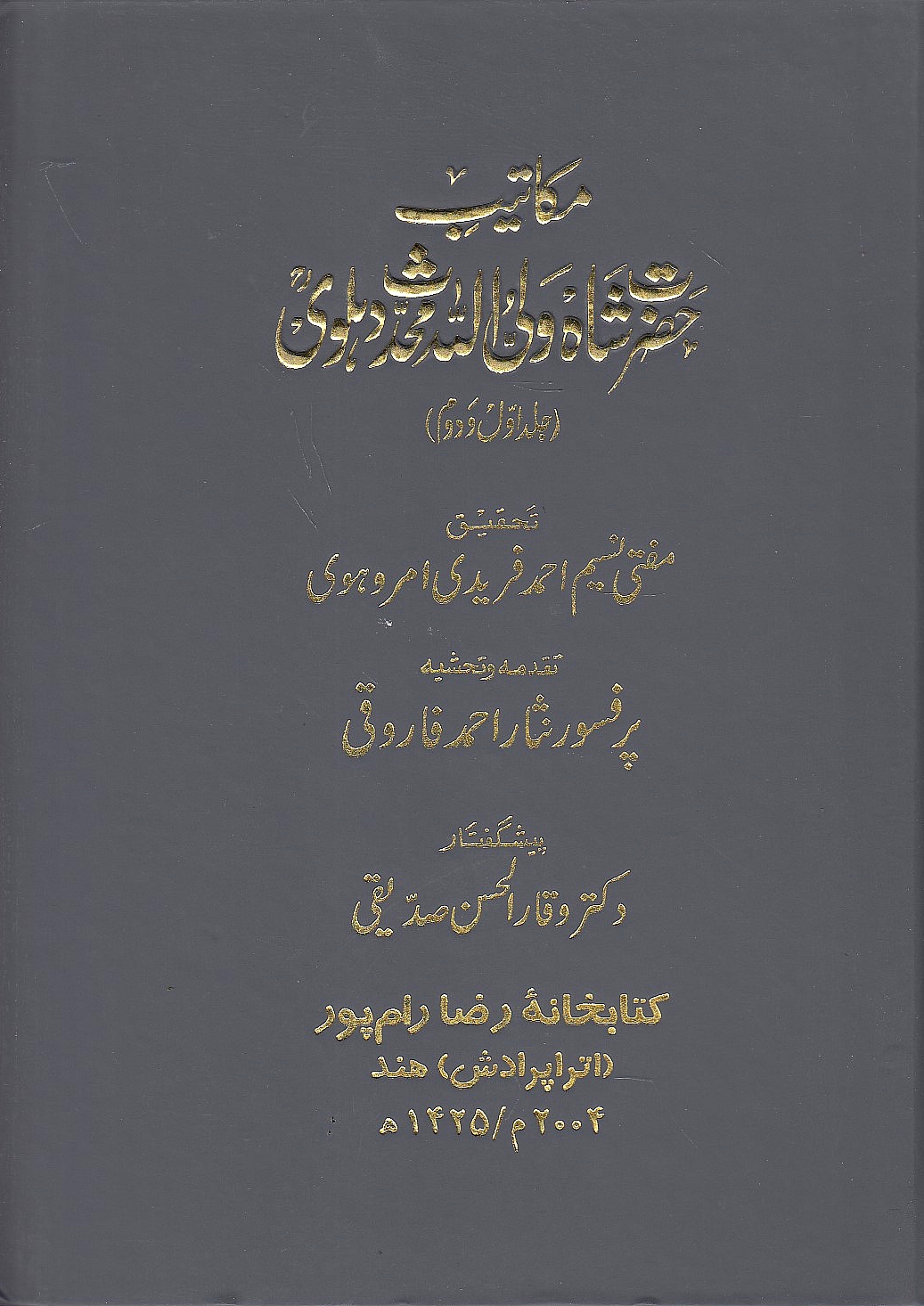 |
Makatib-e Hadrat Shah Vali Allah Mohaddeth Dehlavi. | Vali Allah al-Dihlavi | 665p. facs. | Rampur Raza Library | 2004 | 4,708円 | Walī Allāh al-Dihlawī, 1702 or 1703-1762 or 1763 -- Correspondence مکاتىب حضرت شاه ولى الله محدث دهلوى ولى الله الدهلوى Makātīb-i Ḥaz̤rat Shāh Valī Allāh Muḥaddis̲ Dihlavī Walī Allāh al-Dihlawī, 1702 or 1703-1762 or 1763, taḥqīq-i Muftī Nasīm Aḥmad Farīdī Amrūhvī ; taqaddamahu va taḥshīhi Prufisūr Nis̲ār Aḥmad Fārūqī |
 |
Maktubat al-Shaykh al-Shah Wali Allah al-Dihlawi wa aulad-hi wa mu'asir-hi | Wali Allah al-Dihlawi | 344p. facs. | Rampur Raza Library | 2010 | 3,146円 | Walī Allāh al-Dihlawī, 1702 or 1703-1762 or 1763 -- Muslim scholars -- India مكتوبات الشيخ الشاه ولي الله الدهلوي واولاده ومعاصريه ولى الله دهلوى Maktūbāt al-Shaykh al-Shāh Walī Allāh al-Dihlawī wa-awlādihi wa-muʻāṣirīh Walī Allāh al-Dihlawī, taḥqīq, taʻlīq wa-tarjamah ilá al-lughah al-Urdīyah al-Shāh ʻAbd al-Salām |
 |
Later Indo-Scythians, (from the numismatic chronicle 1893-94). | Cunningham, Alexander, Sir, 1814-1893 | ii,93-293p plates 古書 | Indological Book House | 1979 repr. | 356円 | Coins -- Indo-Scythian -- History |
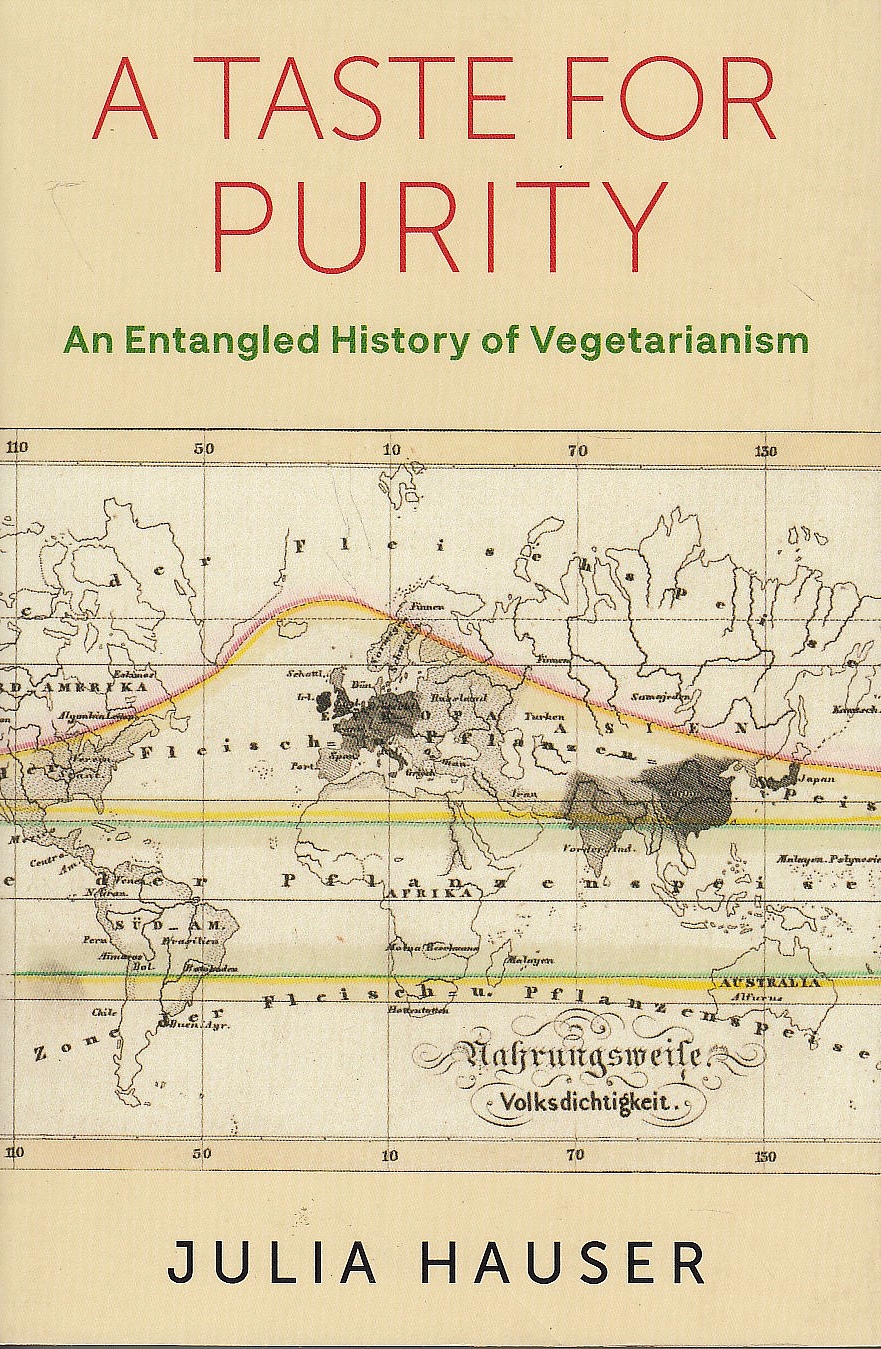 |
A Taste for Purity: an entangled history of vegetarianism. | Hauser, Julia | 359p. pap. | Columbia U.P. | 2024 | 6,545円 | Vegetarianism -- History In nineteenth-century Europe and North America, an organized vegetarian movement began warning of the health risks and ethical problems of meat eating. Presenting a vegetarian diet as a cure for the social ills brought on by industrialization and urbanization, this movement idealized South Asia as a model. In colonial India, where diets were far more varied than Western admirers realized, new motives for avoiding meat also took hold. Hindu nationalists claimed that vegetarianism would cleanse the body for anticolonial resistance, and an increasingly militant cow protection movement mobilized against meat eaters, particularly Muslims. |
 |
Residential Architecture in Bhoja's Samaranganasutradhara: | Otter, Felix | xi,299p. illus. | Motilal | 2010 | 3,475円 | Hindu Architecture -- India -- Bhojarāja, King of Malwa, active 11th century Residential architecture in Bhoja's Samarāṅgaṇasūtradhāra : introduction, text, translation and notes / Felix Otter The Samarāṅgaṇasūtradhāra, composed in the 11th century and commonly attributed to King Bhoja of Dhārā, is one of the most rernarkable Śilpaśāstras of northern India. Study with text of Samarāṅgaṇasūtradhāra of Bhojarāja, King of Malwa, 11th cent., classical work on Hindu architecture |
 |
Development of Indian languages | Raghu Vira ; edited by Lokesh Chandra | 318p. | Aditya Prakashan | 2021 | 16,830円 | India -- Languages -- History A fundamental presentation of the principles of enriching Hindi and other Indian languages, with modern terminology for law and administration, industry and humanities and plethora of natural sciences. The common grammatical systems of Sanskrit, Greek and Latin make Indian terminological systems as extensive and expressive as the European. |
 |
Sufism in Eighteenth-Century India: Muhammad Nasir 'Andalib's Lament of the Nightingale and Tariqa-yi Khalis Muhammadiyya. | Saghaee, Neda | xiv,266p. illus Pap. | Routledge | 2023 | 10,117円 | Sufism -- India -- History Sufism in eighteenth-century India : Muḥammad Nāṣir ʻAndalīb's Lament of the Nightingale and Ṭarīqa-yi Khāliṣ Muḥammadiyya /Saghaee, Neda Sufism in Eighteenth-Century India focuses on one particular treasure from surviving Persian manuscripts in India, Nāla-yi ʿAndalīb, written by Muḥammad Nāṣir ʿAndalīb (d. 1759), a Naqshbandī Mujaddidī mystical thinker. It explores the convergence and interrelation of the text with its context to find how ʿAndalīb revisits the central role of the Prophet as the main protagonist in his allegorical love story with great attention to the circumstances of the Muslim community during the eighteenth century. |
 |
The Indian Oceans in the Making of Early Modern India. | Malekandathil, Pius (ed.) | 480p. pap. | Routledge | 2024(17) | 9,334円 | Merchant marine -- Indian Ocean Region -- History This volume looks into the ways as to how the Indian Ocean circuits shaped the culture and contours of early modern India. This volume looks into the ways Indian Ocean routes shaped the culture and contours of early modern India. IT shows how these and other historical processes saw India rebuilt and reshaped during late medieval times after a long age of relative ‘stagnation’, ‘isolation’ and ‘backwardness’. The various papers deal with such themes including interconnectedness between Africa and India, trade and urbanity in Golconda, the changing meanings of urbanization in Bengal, commercial and cultural contact between Aceh and India, changing techniques of warfare, representation of early modern rulers of India in contemporary European paintings, the impact of the Indian Ocean on the foreign policies of the Mughals, the meanings of piracy, labour process in the textile sector, Indo-Ottoman trade, Maratha-French relations, Bible translations and religious polemics, weapon making and the uses of elephants. |
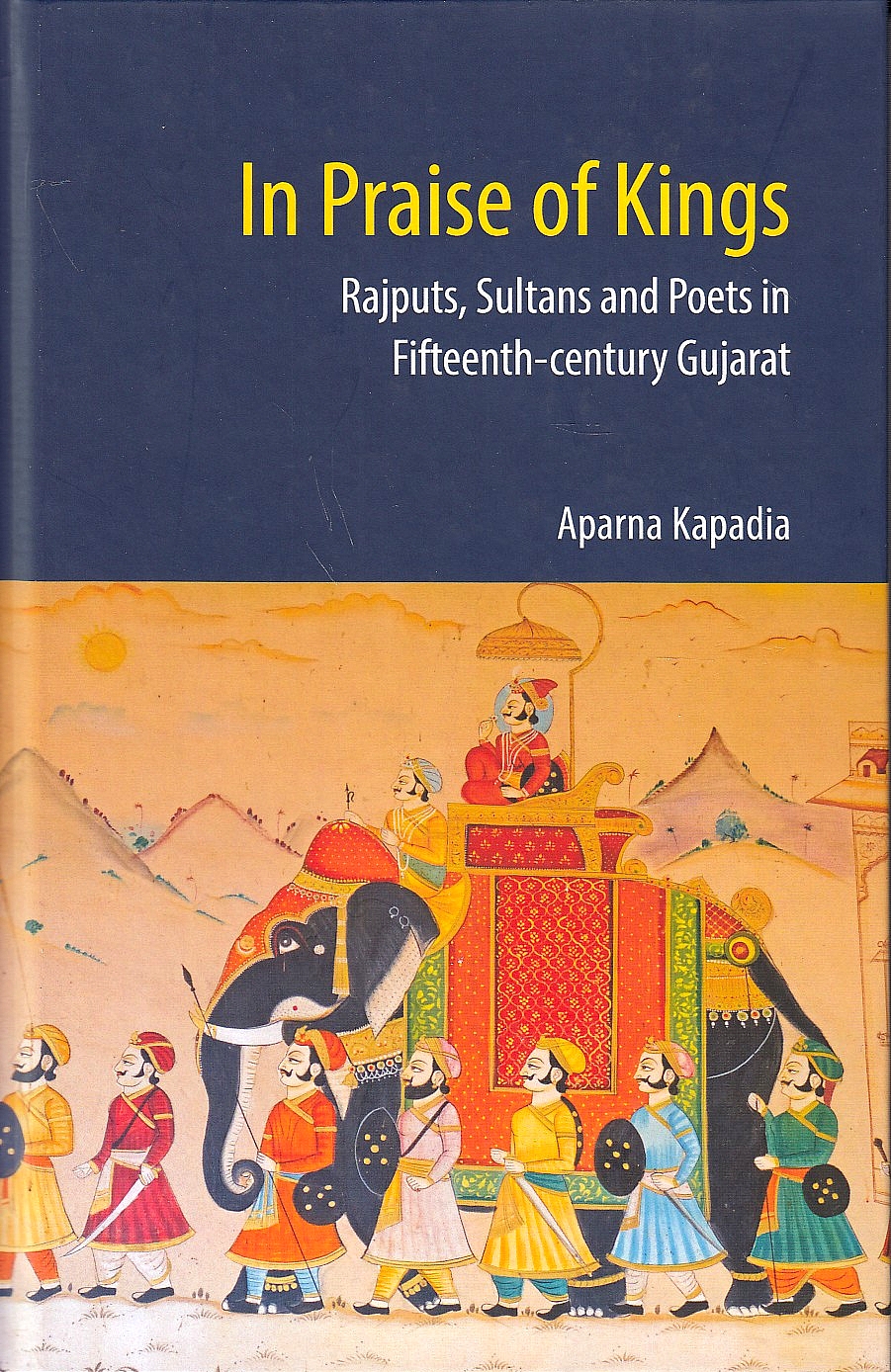 |
In Praise of Kings: Rajputs, Sultans and poets in fifteenth-century Gujarat. | Kapadia, Aparna | x,183p map | Cambridge U.P. | 2018 | 2,495円 | Sultans -- India -- Gujarat -- History Attempts close readings of several narratives that have rarely been used for historical analysis and studies the complex processes that contributed to the formation of Gujarat in the fifteenth century, and how it has subsequently shaped Gujarat's future. |
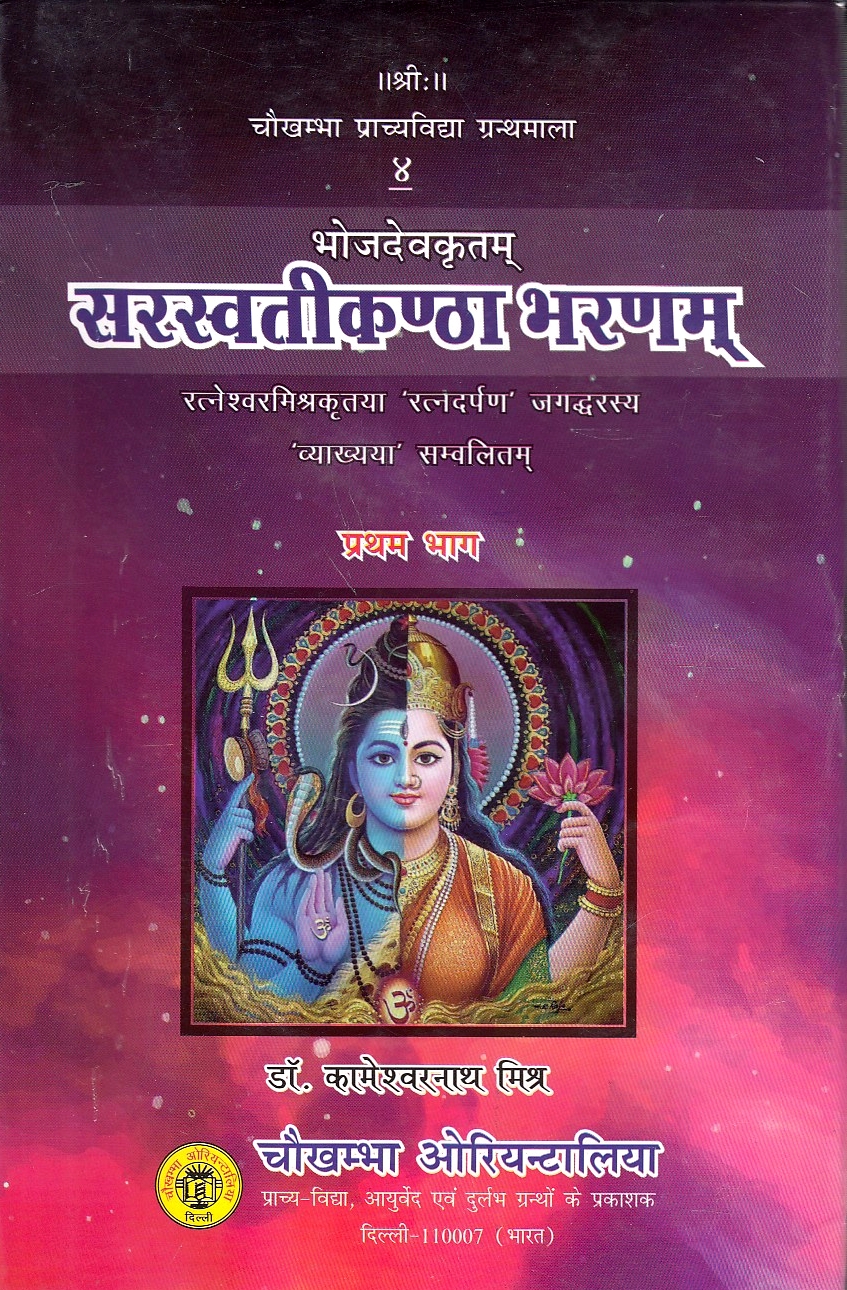 |
Saraswatikanthabharanam: a work on rhetorics, | Bhoja, Maharajadhiraja | 2 vols. | Chaukhambha Orientalia | 2021-22 | 10,500円 | Sanskrit poetry -- History and criticism Sarasvatī kaṇṭhābharaṇamu 11th century verse treatise on Sanskrit poetics, by Bhojarāja, King of Dhara |
 |
Indian kāvya literature / Vol. 7, The wheel of time | Warder, A.K. | 2 vols. | Motilal | 2004(1992) | 11,140円 | Sanskrit literature -- History and criticism This volume on the twelfth and thirteenth centuries starts with Vidyakara`s retrospect over anonymous poets (named ones having mostly found their places in earlier volumes). After some smaller anthologies a few novels and Mankhaka`s mythological epic we come to a historical epic. History is the most substantial source of matter for literature in the volume. Ch. L: Lyric and Fiction at the Beginning of the +12 LI: The Epic Tradition LII: The NJaina Theatre LIII: Harsa (II) and his robable Contemporaries LIV: Vatsaraja: Drama at the Beginningh of the +13 pt. 2 LV: Epic and Drama in the Time of Vastupala LVI: Ceylon and Krnataka in the +13 LVII: Late +134 Drama; Haricandra (ii(, the Simhaśanadvatrimsika |
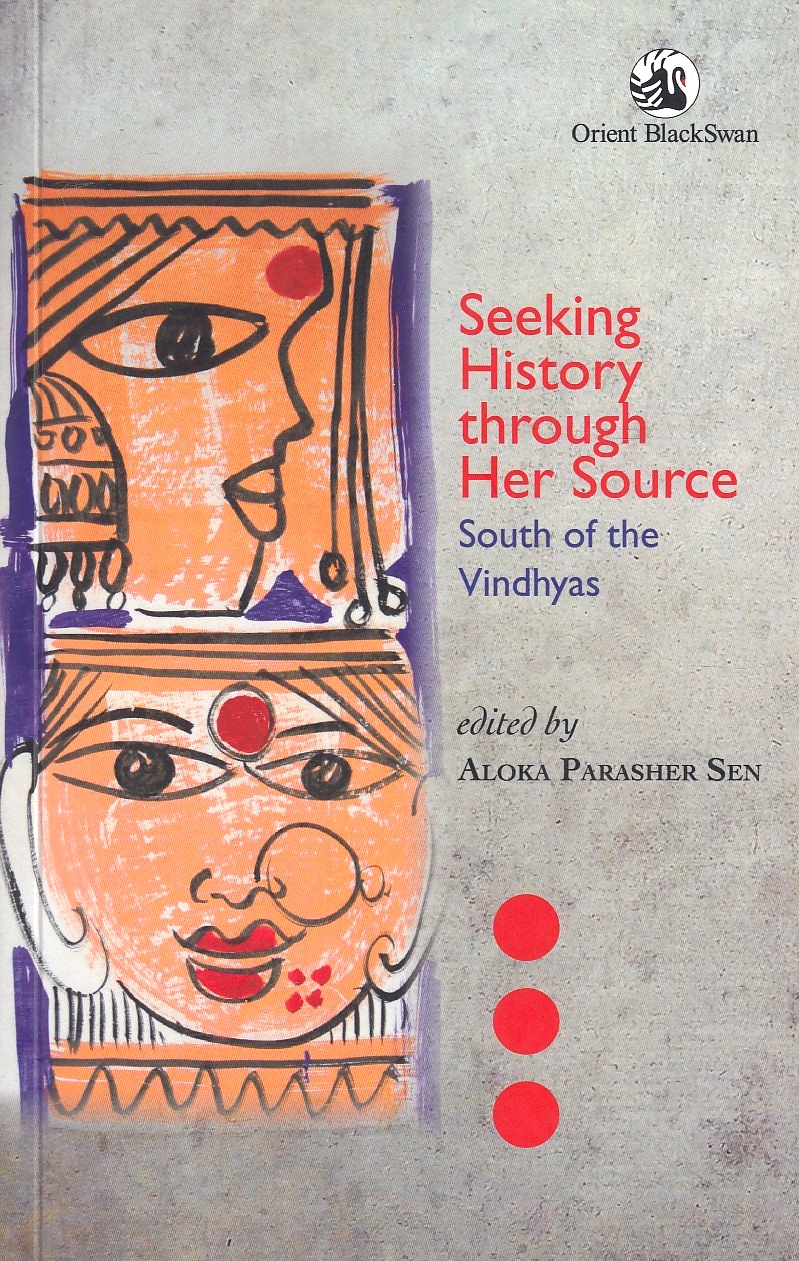 |
Seeking History through Her Source: South of the Vindhyas. | Sen, Aloka Parasher | 268p. | Oriental BlackSwan | 2022 | 5,640円 | Deccan (India) -- Historiography -- Sanskrit literature In the late twentieth century, the scope of history writing has expanded beyond textual sources to include additional sources such as literature, coins, art, and architecture. Meanwhile, history writing on ancient India continues to be burdened by an Indological discourse, which takes ‘India’ as a monolithic whole and interprets sources in ways that contribute to a pan-Indian meta-narrative. Sources which are fragmentary in nature, or located far from the so-called centres of civilisation, are relegated to the footnotes and margins, merely as tools of corroboration. |
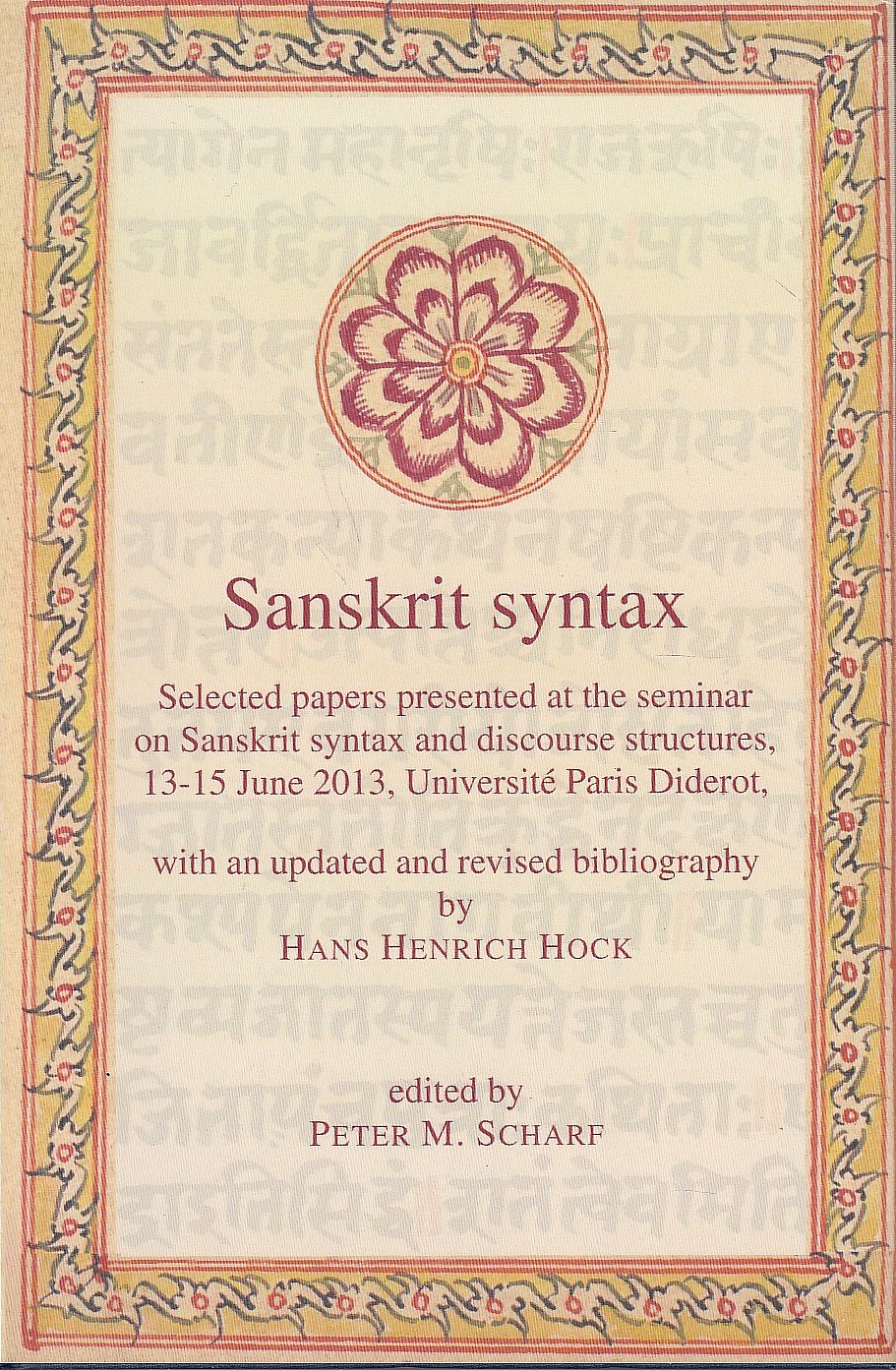 |
Sanskrit Syntax: selected papers presented at the seminar on Sanskrit syntax and discourse structures, 13-15 June 2013, Université Paris Diderot, | Scharf, Pweter (ed.) | 552p. | The Sanskrit Library | 20156 | 18,300円 | Sanskrit language -- Syntax The book includes twelve papers by seventeen contributors from divergent backgrounds in European and American linguistics, Pāṇinian grammar, and computer science that converge in dealing with contemporary issues in Sanskrit syntax. |
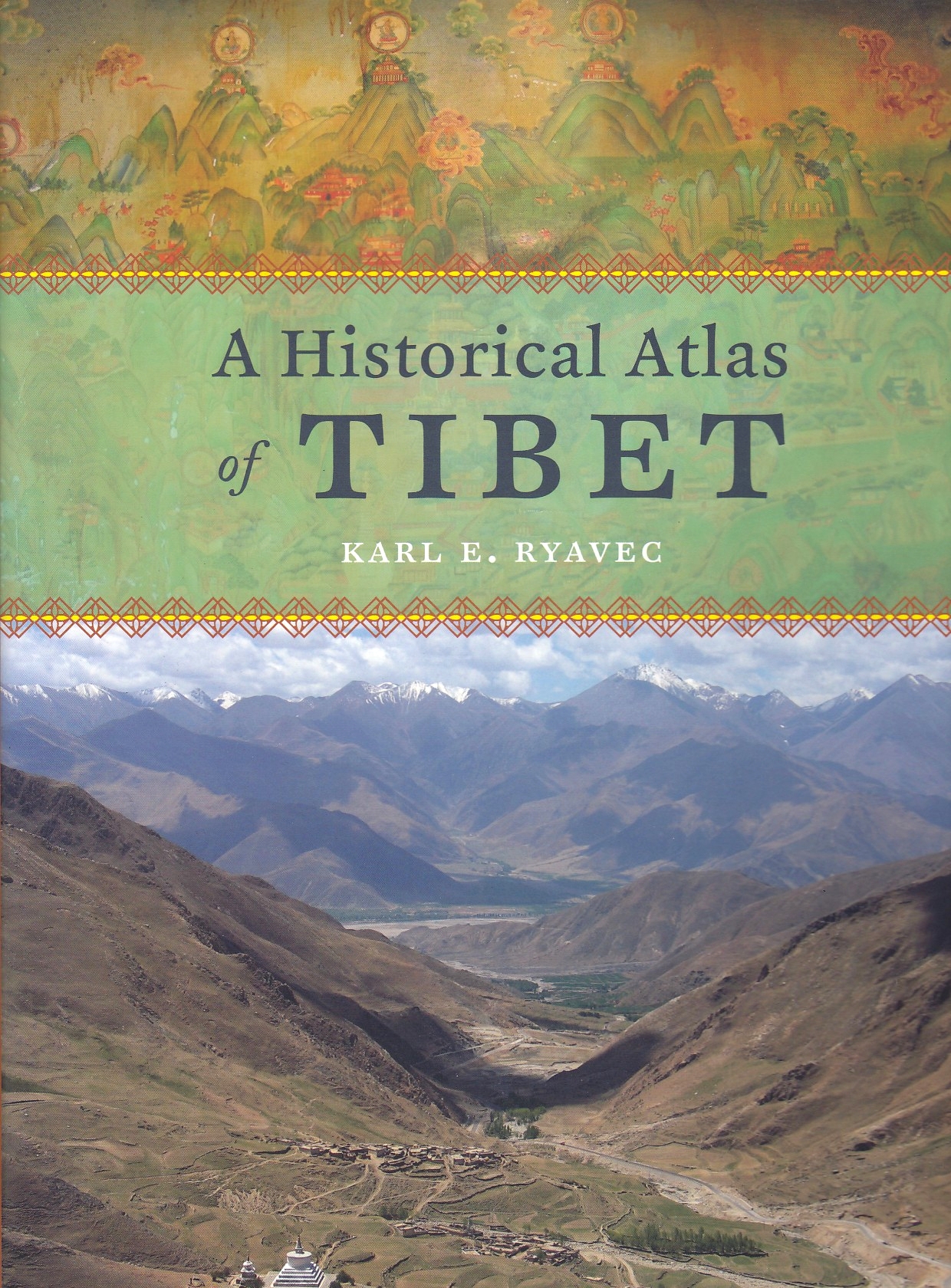 |
A Historical Atlas of Tibet. | Ryavec, Karl E. | vii,202p. illus. color maps | U. of Chicago Press | 2015 | 7,795円 | Tibet Autonomous Region (China) -- Historical geography -- Maps The product of twelve years of research and eight more of mapmaking, A Historical Atlas of Tibet documents cultural and religious sites across the Tibetan Plateau and its bordering regions from the Paleolithic and Neolithic times all the way up to today. It ranges through the five main periods in Tibetan history, offering introductory maps of each followed by details of western, central, and eastern regions. It visualizes the history of Tibetan Buddhism, tracing its spread throughout Asia, with thousands of temples mapped, both within Tibet and across North China and Mongolia, all the way to Beijing. There are maps of major polities and their territorial administrations, as well as of the kingdoms of Guge and Purang in western Tibet, and of Derge and Nangchen in Kham. There are town plans of Lhasa and maps that focus on history and language, on population, natural resources, and contemporary politics. |
 |
Tibet, past and present: Tibetan Studies I: PIATS 2000 : Tibetan studies : | Blezer, Henk (ed.) | xvii,495p. 古書 | Brill | 2002 | 7,349円 | Tibet Autonomous Region (China) -- History -- Tibetan language Congresses The proceedings of the seminars of the International Association for Tibetan Studies (IATS) have developed into the most representative world-wide cross-section of Tibetan Studies. They are an indispensable reference-work for anyone interested in Tibet and capture the cutting edge of Tibet-related research. |
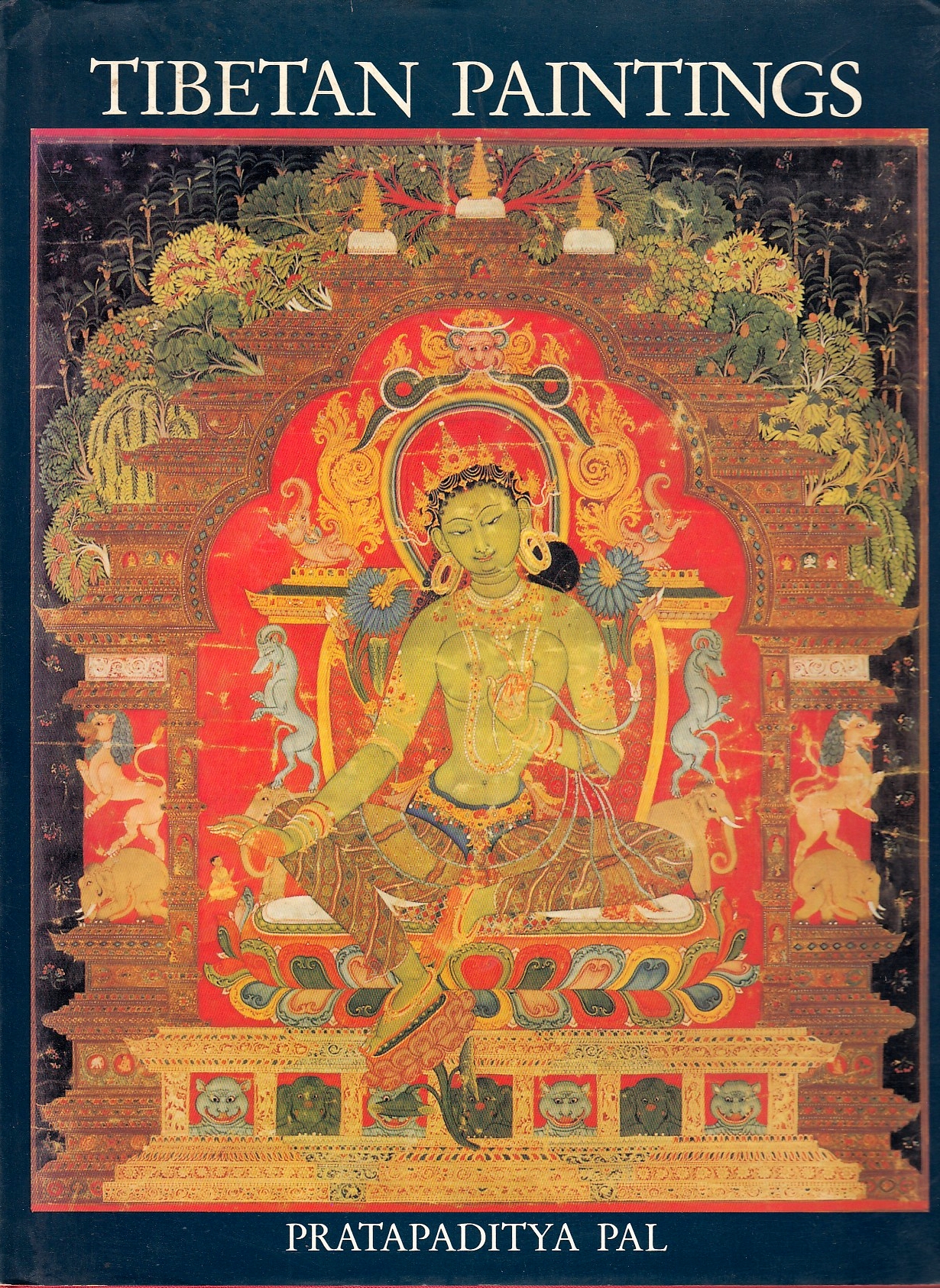 |
Tibetan Painting: a study of Tibetan Thankas, 11th to 19th centuries. | Pal, Pratapaditya | 223p. 115 illus. photos. 古書 | Ravi Kumar/Art Media | 2000 | 4,375円 | Tankas (Tibetan scrolls) -- Bhuddist painting -- Painting, Tibetan 1. Introduction 2. Visions and visualizations 3. The Kadampa style 4. The Sakyapa style 5. Thankas from western Tibet 6. Landscape tradition 7. The age of the Dalai Lama Notes, List of Illustrations |
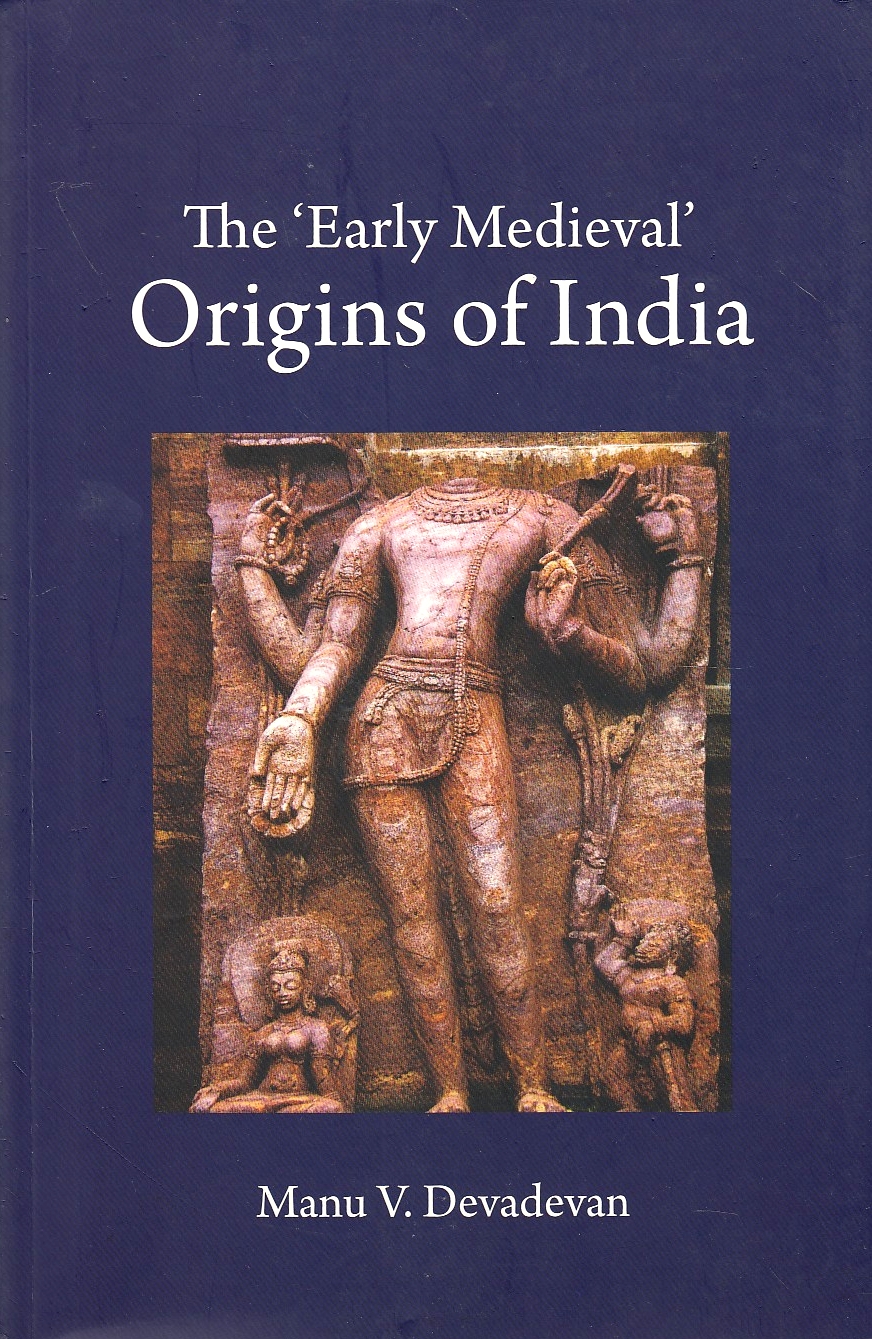 |
The 'Early Medieval' Origins of India. | Devadevan, Manu V. | xi,516p. | Cambridge U.P. | 2020 | 5,473円 | India -- Civilization -- History -- To 1200 India is generally regarded as a civilization with a set of intrinsic attributes that emerged in the age of the Vedas or, better still, in the Harappan times. In recent decades, historical studies have moved away from rigid perspectives of singularity in origin and expansion; the emphasis now is on pluralities and long-term processes spanning centuries and millennia. There is also an influential school of thought which rejects antiquity claims such as these and holds that India is a construct of the colonial and nationalist imagination. In his radical reinterpretation of India's past, Manu V. Devadevan moves away from these reifying assessments to examine the evolution of institutions, ideas and identities that are characterized, typically, as Indian. In lieu of endorsing their Indianness, he traces their emergence to specific conditions that developed in India between 600 and 1200 CE, a period which historians now call the 'early medieval'. |