| |
書名 |
著者名 |
頁数 |
出版元 |
刊行年 |
価格 |
解説 |
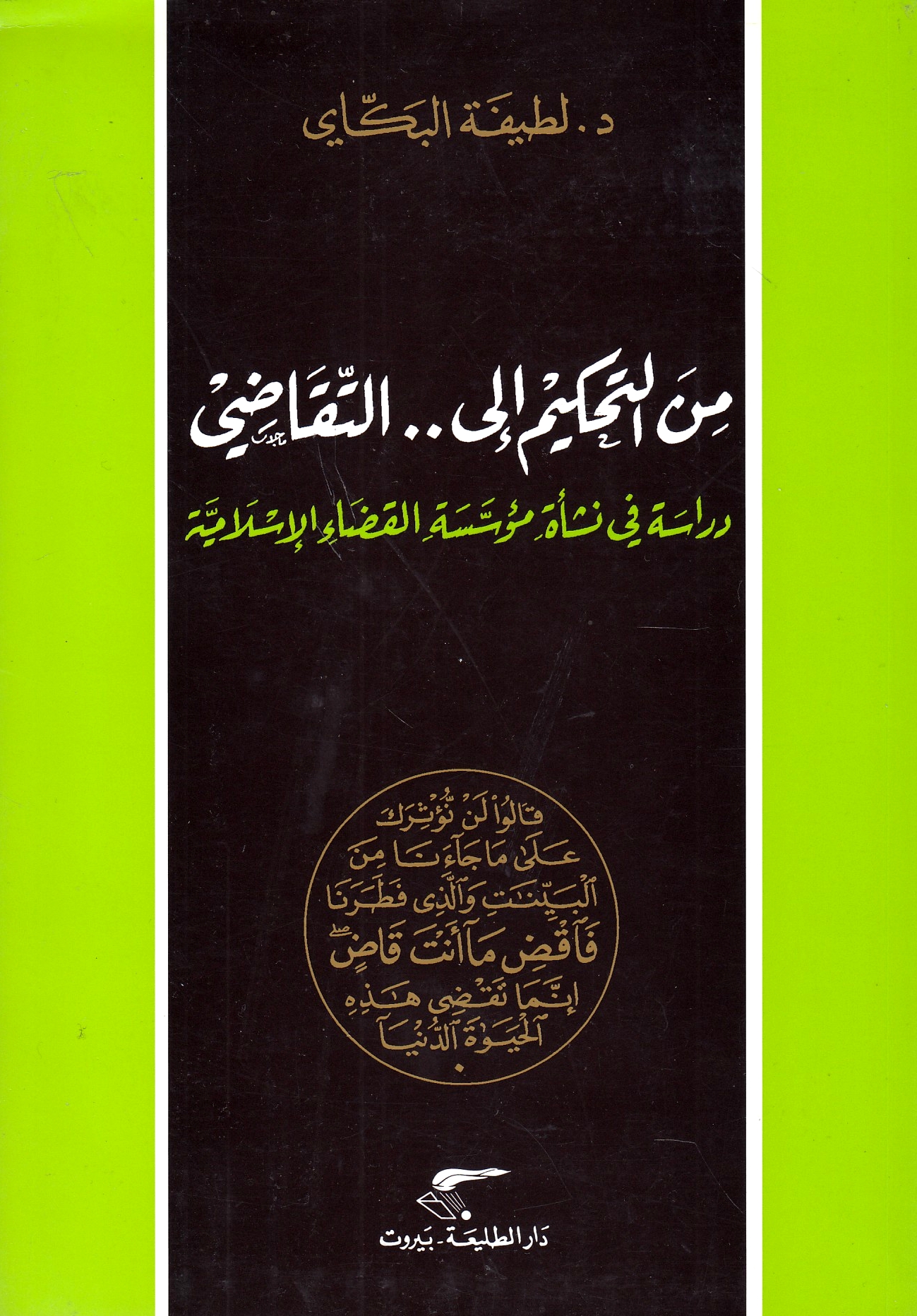 |
Min al-Tahkim ila ... al-Taqad^i: dirasah fi nash'at mu'assasat al-qada' al-islamiyah. |
Al-Bakkay, Latifah |
231p. |
Dar al-Tali'ah |
2015 |
2,679円 |
Judges -- Islamic law -- Islamic empire -- History
من التحكيم الى التقاضي : دراسة في نشأة مؤسسة القضاء الإسلامية
لطيفة البكاّي
Min al-taḥkīm ilá al-taqāḍī : dirāsah fī nashʼat muʼassasat al-qaḍāʼ al-Islāmīyah
Laṭīfah al-Bakkāy |
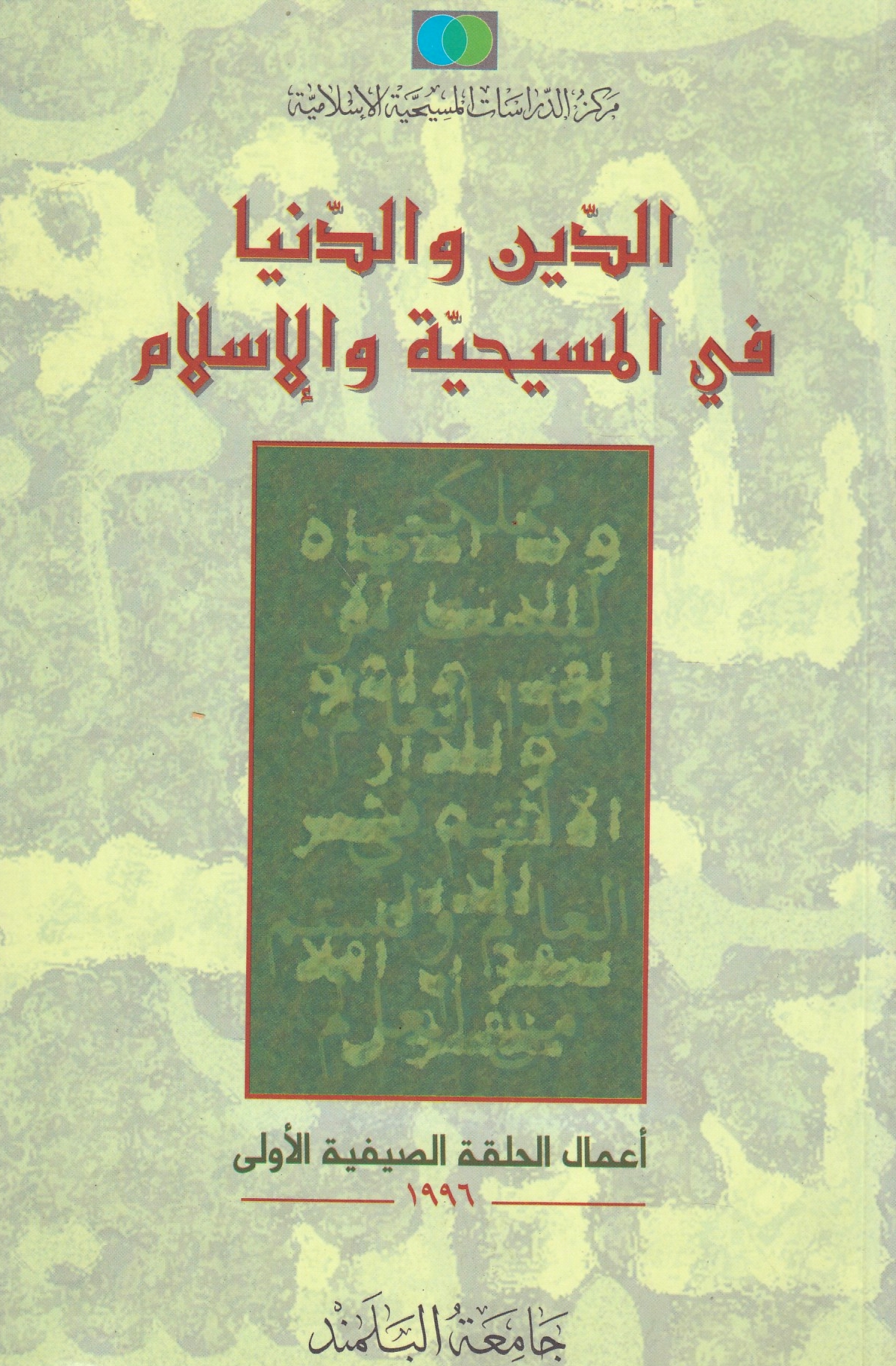 |
Al-Din wa al-Dunya fi al-Masihiyah wa al-Islam: |
Nahhas, Georg N. et al. |
191p. |
Jami'at al-Balimand |
2003 |
3,159円 |
Islam -- Christianity -- Relations -- Congresses
الدين والدنيا في المسيحية والإسلام : أعمال الحلقة الصيفية الأولى ١٩٩٦
جامعة البلمند. مركز الدراسات المسيحية الإسلامية
al-Dīn wa-al-dunyā fī al-Masīḥīyah wa-al-Islām : aʻmāl al-Ḥalaqah al-Ṣayfīyah al-Ulá 1996.
Jāmiʻat al-Balamand. Markaz al-Dirāsāt al-Masīḥīyah al-Islāmīyah |
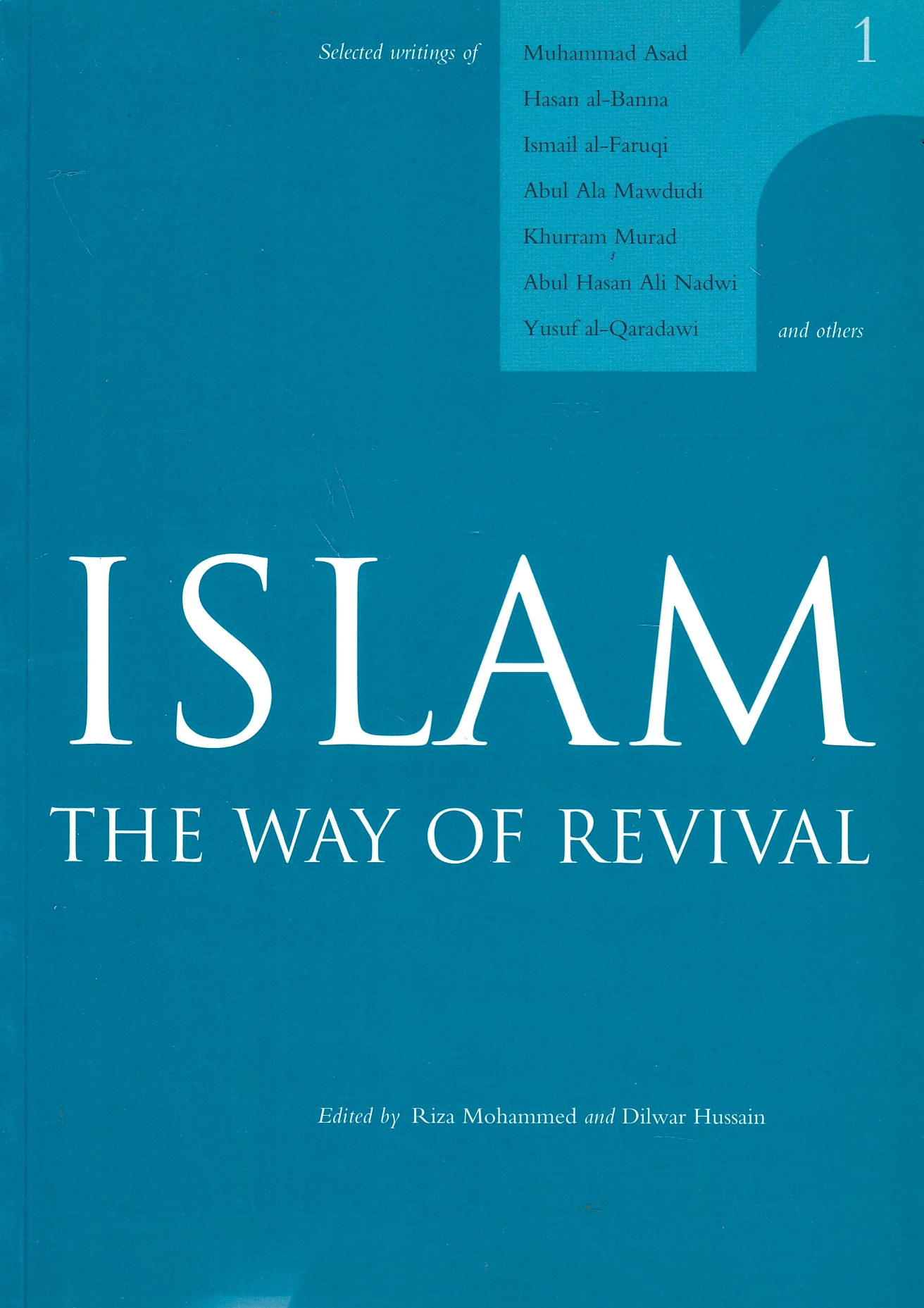 |
Islam: the Way of Revival: selected writings of modern sacholars of Islam and others. |
Mohammed, Riza & Dilwar Hussain (ed.) |
xxii,285p. |
Revival |
2003 |
3,719円 |
The book is an anthology of writings that have enjoyed wide readership the world over. In this refreshingly different book one can relishh the works and ideas of numerous Muslim scholars and leaders of the 20th century, Muhammad Asad, Hasan al-Banna, Ismail al-Faruqi, Abu Ala Mawdudi, Khurram Murad, Abul Hasan Ali Nadwi, Yusuf al-Qaradawi, Sayyid Qutb .. |
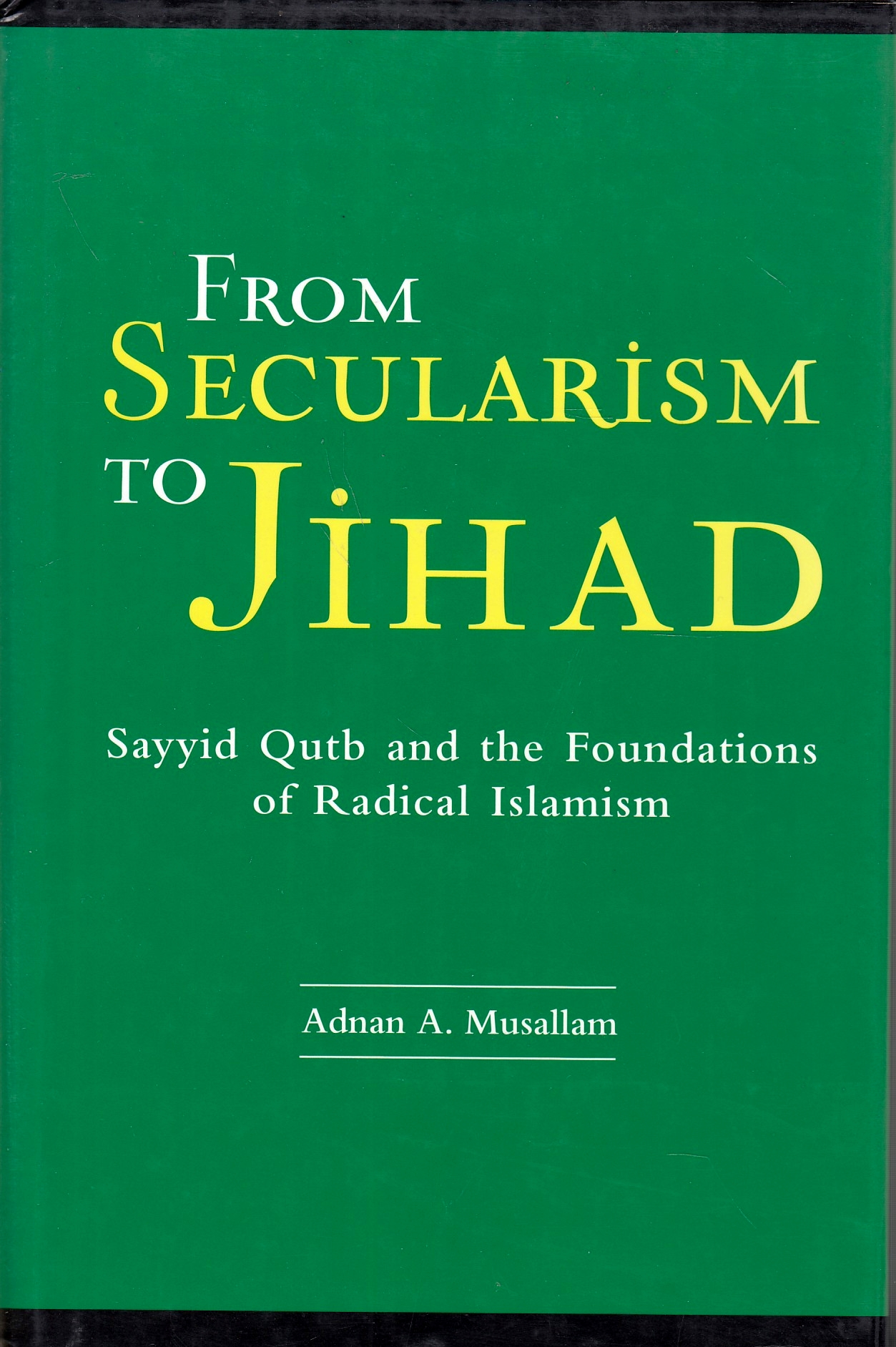 |
From Secularism to Jihad: Sayyid Qutb and the foundations of radical Islamism. |
Musallam, Adnan A. |
xiii,261p. |
Praeger |
2005 |
4,158円 |
Quṭb, Sayyid, 1906-1966 -- Islamic fundamentalism -- Egypt -- Muslim scholars
1. Intellectual, political and socio-economic transformations in Egypt, 1919-1952
2. Qutb's childhood and the emergence of a poet and a critic, 1906-1938
3. Emergence of the student of the Qurʼan and early changes, 1939-1947
4. The alienation of Sayyid Qutb, 1939-1947
5. In search of social justice : the emergence of an independent Islamic ideologue, 1947-1948
6. Qutb's experiences and impressions in America, 1948-1950 and his return, 1950-1952
7. Emergence of a radical Islamist, 1952-1964
8. Martyrdom, posthumous impact and global Jihad, 19656-Present |
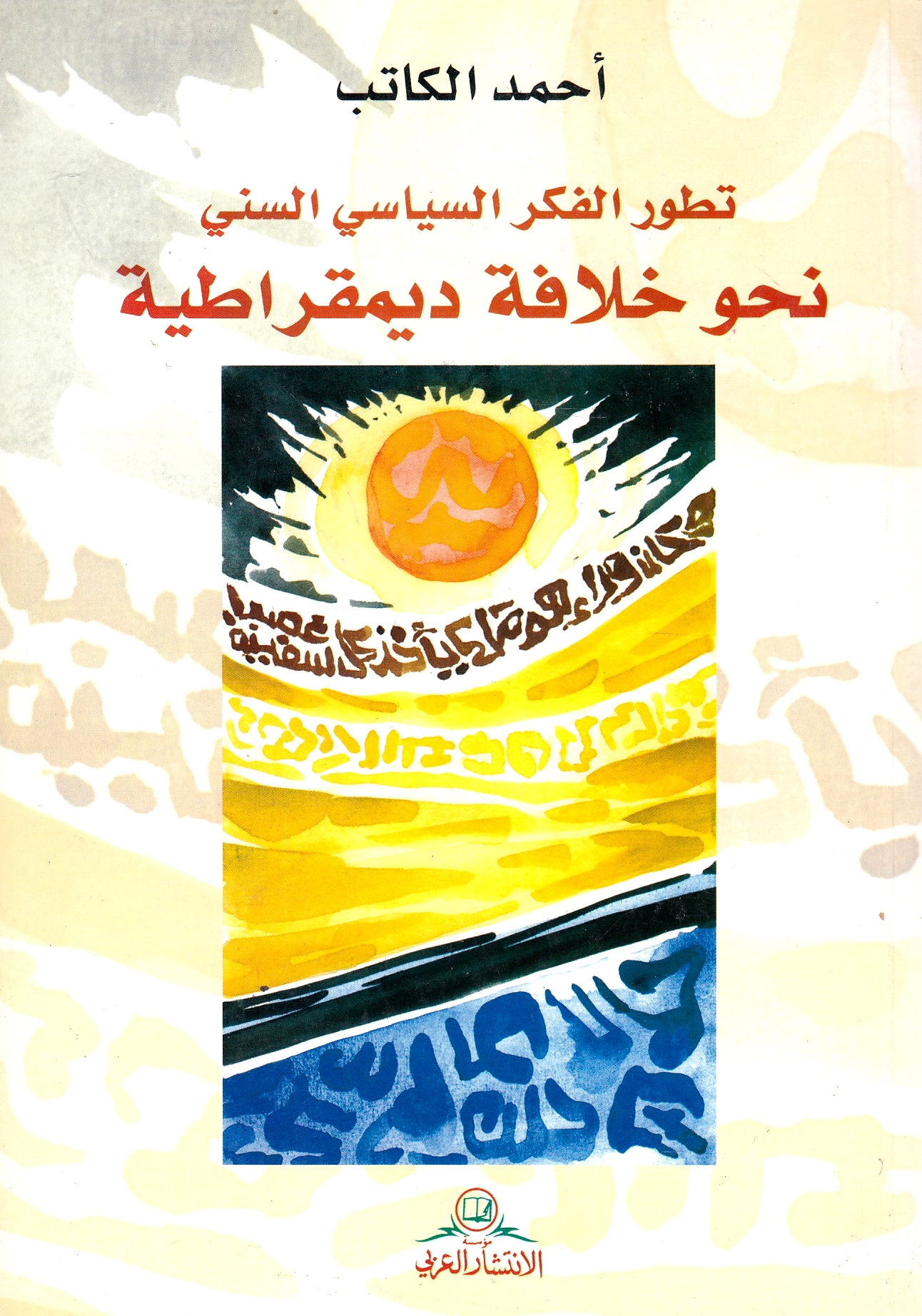 |
Tatawwur al-Fikr al-Siyasi al-Sunni, Nahw Khilafah Dimuqratiyah, |
Al-Katib, Ahmad |
307p. |
Al-Intishar al-'Arabi |
2008 |
2,679円 |
Sunnites -- Islam and politics -- Ḥizb al-Taḥrīr
تطور الفكر السياسي السني نحو خلافة ديمقراطية : ملحق حوار خاص مع حزب التحرير
أحمد الكاتب.,
Taṭawwūr al-fikr al-siyāsī al-Sunnī naḥwa khilāfah dīmuqrāṭīyah : mulḥaq ḥiwār khāṣṣ maʻa Ḥizb al-Taḥrīr
Aḥmad al-Kātib |
 |
Major Themes on Modern Arabic Thought: an anthology. |
Le Gassick, Trevor J. |
71p.+152p.(ar.) |
U. of Michigan Pr. |
1979 |
1,100円 |
The biographical details and overviews with Arabic texts
The intellectual heritage --
The French in Egypt. Abd al-Rahman al-Jabarti (1754 or 1756-1825) --
Arab views on Europe.
The Muhammad Ali dynasty ; Rifa'a Rafi al-Tahtawi (1801-73) ; Ahmad Faris al-Shidyaq (1804 or 1801-87) ; Khayr al-Din al-Tunisi (1810?-89) --
Nationalism and the reform of Isam.
Jamal al-Din al-Afghani (1839?-97) ;
Muhammad Abduh (1849-1905) --
The great debate : science versus religion. Shibli Shumayyil (1850-1917) --
Social reform : changing views on the role of women.
Qasim Amin (1863-1908) ;
Farah Antun (1874-1922) --
Islam versus Christianity. Mustafa Lutfi al-Manfaluti (1876-1924) --
The modernist school of Arabic studies. Taha Husain (1889-1973) --
The advocacy of socialism. Salama Musa (1887-1958) --
The Pan-Arab Unity movement.
Abu Khaldun Sati al-Husari (1880-1968) ;
Qustantin Zurayq (b. 1909) ;
Michel Aflaq (b. 1910) ;
Jamal Abd al-Nasir (1918-70) --
Arabic texts: ʻAbd al-Raḥmān al-Jabartī -- Rifāʻah Rāfiʻ al-Ṭahṭāwī -- Aḥmad Fāris, al-Shidyāq -- Khayr al-Dīn al-Tūnisī -- Jamāl al-Dīn al-Afghānī -- Muḥammad ʻAbduh -- Shiblī Shumayyil -- Qāsim Amīn -- Faraḥ Anṭūn -- Muṣṭafá Luṭfī al-Manfalūṭī -- Taha Ḥusaīn -- Salāmah Mūsá -- Abū Khaldūn Saṭīʻ al-Ḥuṣarī -- Qusṭanṭīn Zurayq -- Mīshāl ʻAflaq -- Jamāl ʻAbd al-Nāṣir. |
 |
Contemporary Arab Thought: cultural critique in comparative perspective. |
Kassab, Elizabeth S. |
512p. pap. |
Columbia U.P. |
2009 |
3,839円 |
Civilization, Arab -- Criticism -- 20th century -- Arab countries
Introduction: Cultural malaise and cultural identity in twentieth-century western, postcolonial, and Arab debates --
1. The first modern Arab cultural Renaissance or Nahda : from the mid-nineteenth century to the mid-twentieth century --
2. Critique after the 1967 defeat --
The existential dramatization of critique the day after the defeat : Saadallah Wannous's theatrical oeuvre --
Humanistic nationalism and critical reason : Qustantin Zurayq --
The critique of religious-metaphysical thought : Sadeq Jalal al-Azm --
The critique of ideology and historicization : Abdallah Laroui --
Gendering critique : Nawal el-Saadawi and the late-twentieth-century Arab feminists --
The radicalization of critique and the call for democracy : reclaiming the individual's critical faculties --
3. Marxist, epistemological, and psychological readings of major conferences on cultural decline, renewal, and authenticity --
The Cairo Conference of 1971 : authenticity and renewal in contemporary Arab culture --
The Kuwait conference of 1974 : the crisis of civilizational development in the Arab homeland --
The Cairo Conference of 1984 : heritage and the challenges of the age in the Arab homeland : authenticity and contemporaneity --
Critique in these conferences : the fixation on tradition and the intellectualization of the malaise --
4. Critique in Islamic theology --
From the unthought and the unthinkable to the thinkable : Mohammed Arkoun --
The historicity of revelation and the struggle for thought in the time of Anathema : Nasr Hamid abu Zayd --
Feminist historicization of religious traditions : Nazira Zain al-Din, Fatima Mernissi, and Leila Ahmed --
An Islamic theology of liberation : the Islamic left of Hassan Hanafi --
A Christian Arab theology of liberation : Naim Ateek and Mitri Raheb in Palestine-Israel --
On the potential for critique in traditional Islam : Talal Asad's analysis of the public criticism by Ulemas in Saudi Arabia --
Islamic critique and the cultural malaise --
5. Secular critique --
Critique of the exclusive monopoly over true Islam : Farag Fouda --
The importance of keeping the debate on the human level : Fouad Zakariyya --
Critique of the essentialist and romantic conception of identity : Aziz al-Azmeh --
Critique of the Islamicization of knowledge and the quest for an Indigenous social science : Bassam Tibi, Abdelkebir Khatibi, and Hisham Sharabi --
Critique of the conciliatory pattern of thinking : Muhammad Jaber al-Ansari, Hisham Sharabi, and Nadeem Naimy --
Secularism, democracy, and cultural critique -- Recentering the historical, the human, and the partial : the secular call for democracy and human rights --
6. Breaking the postcolonial solitude : Arab motifs in comparative perspective --
The western debates --
The non-western postcolonial debates --
Common leitmotivs and Arab specificities -- Shifting priorities --
Conclusion: The new Nahda impulses, reclaiming the right to freedom and life. |
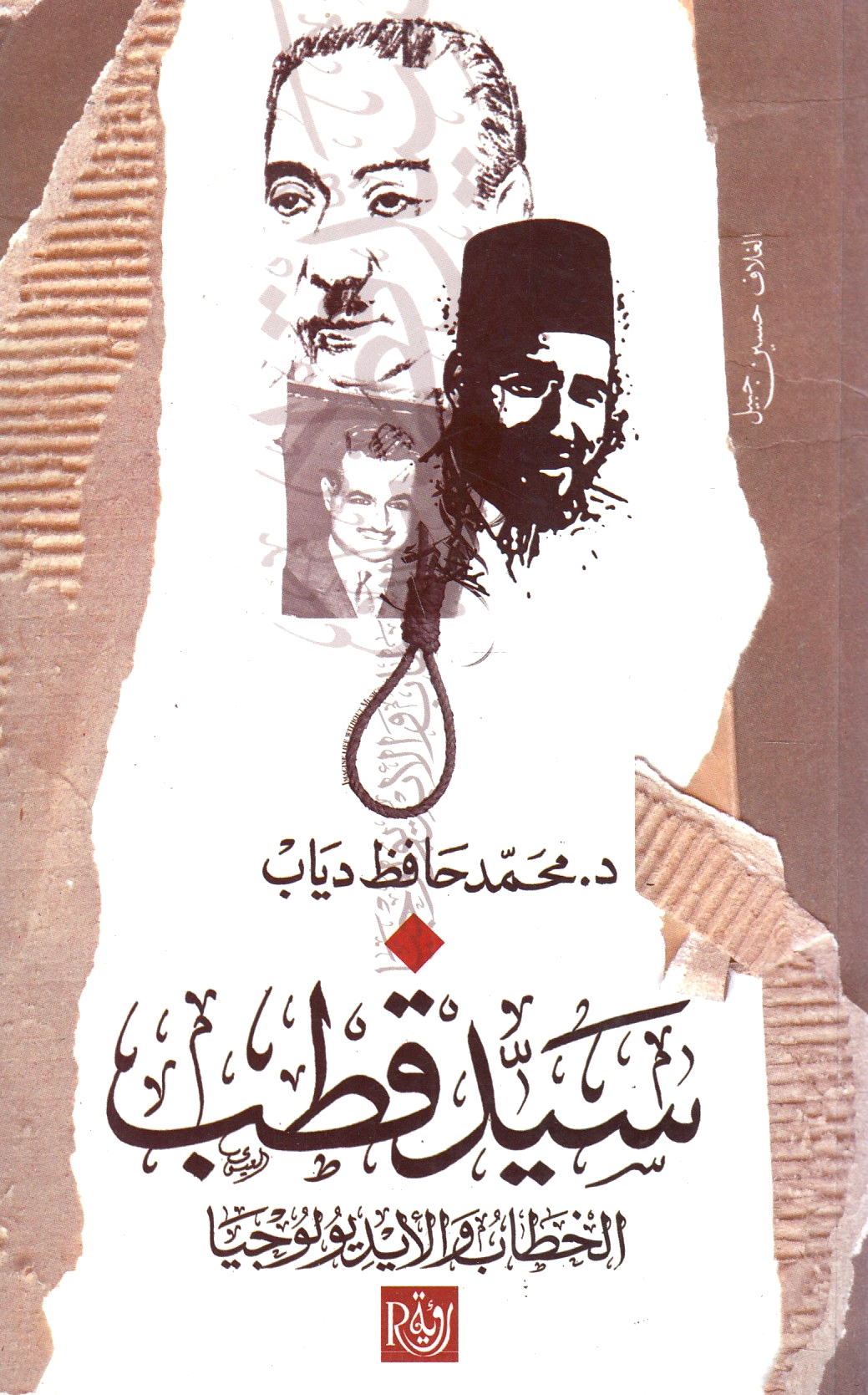 |
Sayyid Qutb: al-khitab wa al-aydiyulujiya. |
Diyab, Muhd. Hafiz |
480p. |
al-Ru'yah |
2010 |
3,116円 |
Jamʻīyat al-Ikhwān al-Muslimīn (Egypt) -- Quṭb, Sayyid, -- 1906-1966 -- Teachings
سيد قطب : الخطاب والايديولوجية
محمد حافظ دياب
Sayyid Quṭb : al-khiṭāb wa-al-aydiyūlūjīyah
Muḥammad Ḥāfiẓ Diyāb
(Marāyā al-kitāb) |
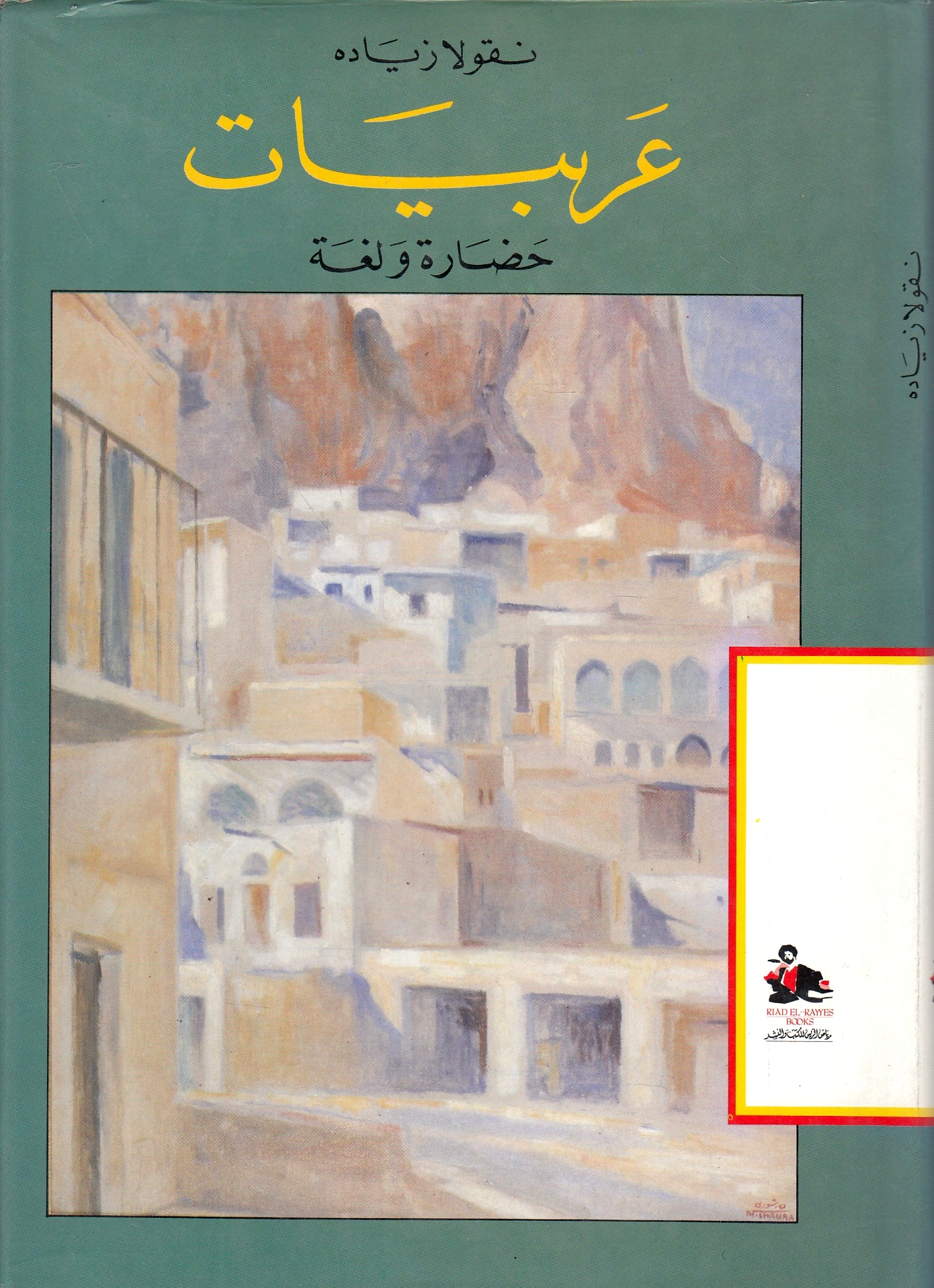 |
'Arabiyat: hadarah wa lughah. |
Ziyadah, Nicolas |
264p. maps |
Riad El-Rayyes |
1994 |
1,562円 |
Arabic language -- Islamic empire -- History
عربيات : حضارة ولغة
نقولا زياده
ʻArabīyāt : ḥaḍārah wa-lughah
Niqūlā Ziyādah |
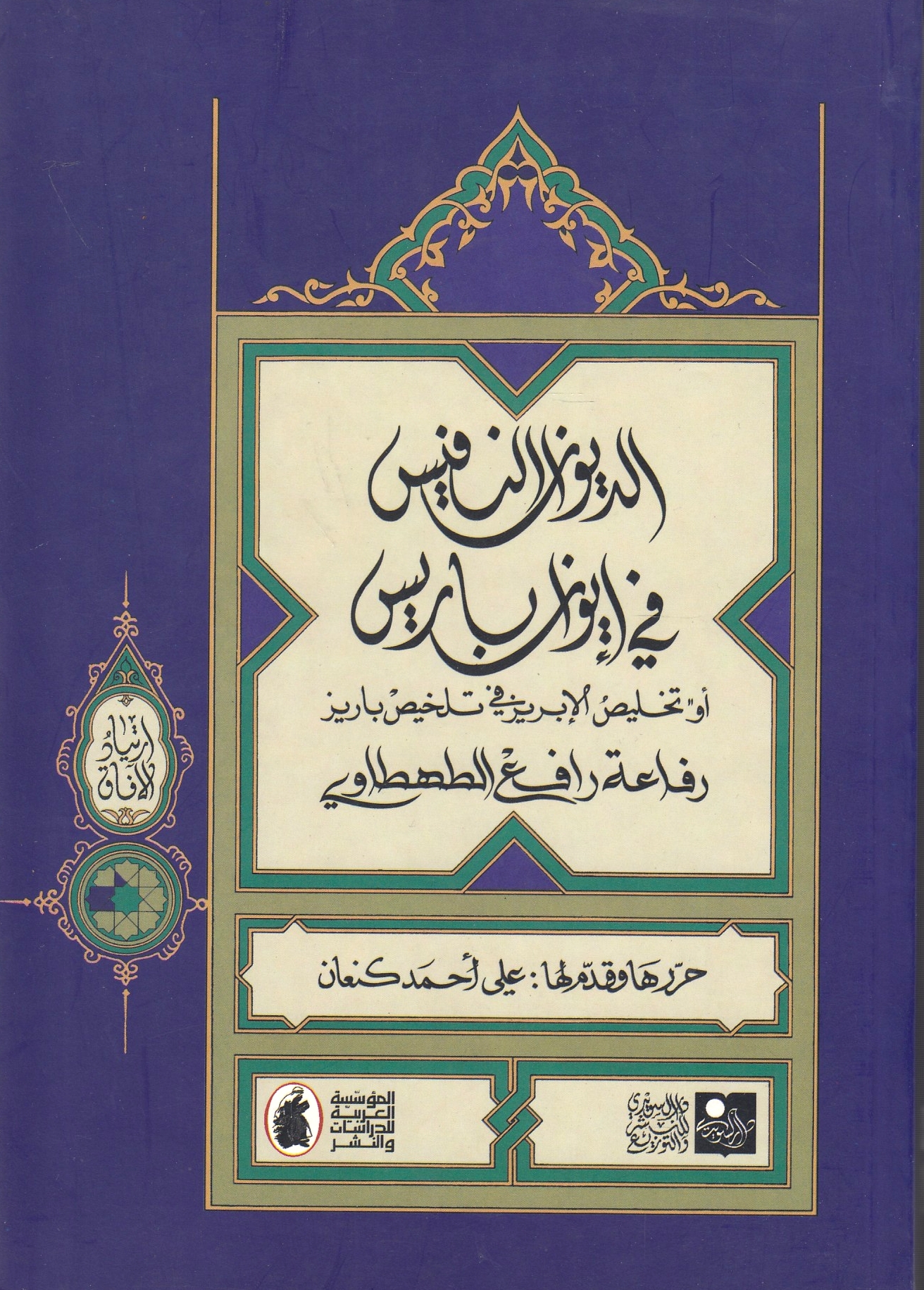 |
Al-Diwan al-Nafis fi Iwan Baris, aw takhlis al-ibriz fi talkhis bariz. |
Al-Tahtawi, Rifa'ah Rafi' |
320p. |
Al-Mu'assasah al-'Arabiyah lil-Dirasat wa al-Nashr |
2002 |
2,939円 |
Tahtāwī, Rifā'ah Rāfi', 1801-1873 -- Travel -- France -- Paris
الديوان النفيس في إيوان باريس، أو، تخليص الإبريز في تلخيص باريز
رفاعة رافع الطهطاوي
al-Dīwān al-nafīs fī īwān Bārīs, aw, Takhlīṣ al-ibrīz fī talkhīṣ Bārīz
Rifāʻah Rāfiʻ al-Ṭahṭāwī
In the 1820s, Rifa'a Rafi' al-Tahtawi, a young Muslim cleric, was a leading member of the first Egyptian educational mission to Paris, where he remained for five years, documenting his observations of European culture. His account, Takhlis al-Ibriz fi Talkhis Bariz, is one of the earliest and most influential records of the Muslim encounter with Enlightenment-era European thought, introducing ideas of modernity to his native land. |
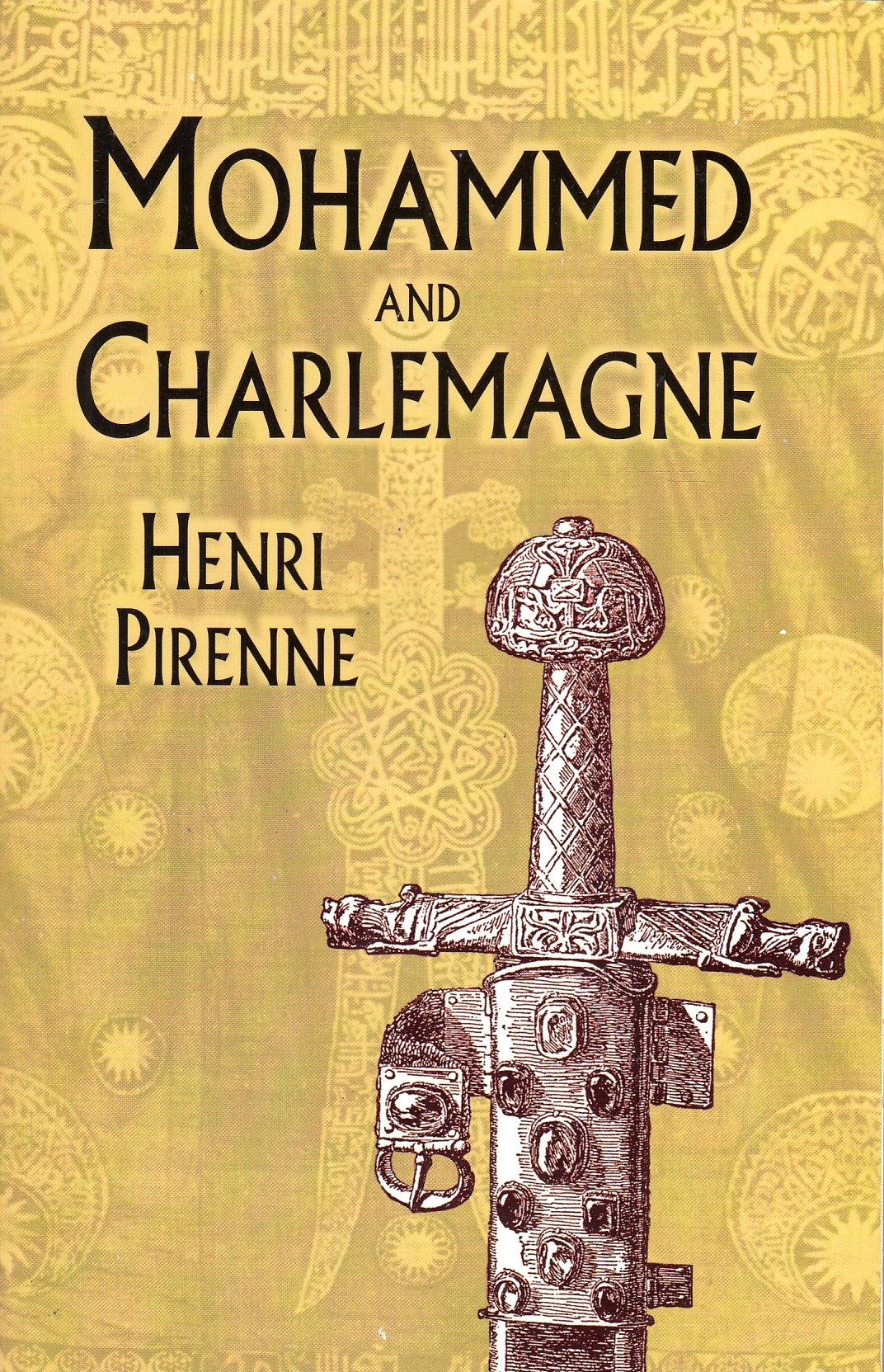 |
Mohammed and Charlemagne. |
Pirenne, Henri |
293p. |
Dover Publications |
2001(1954) |
990円 |
Europe -- Islamic empire -- History -- 476-1492 |
 |
Islamic History: a framework for inquiry. |
Humphreys, R. Stephen |
xiv,401p. pap. 古書 |
Princeton U.P, |
1991 |
1,815円 |
Islamic history -- Bibliographical notes
Combining a bibliographic study with an inquiry into method, it opens with a survey of the principal reference tools available to historians of Islam and a systematic review of the sources they will confront. Problems of method are then examined in a series of chapters, each exploring a broad topic in the social and political history of the Middle East and North Africa between A.D. 600 and 1500. The topics selected represent a cross-section of Islamic historical studies, and range from the struggles for power within the early Islamic community to the life of the peasantry. |
 |
Power, Marginality, and the Body in Medieval Islam. |
Malti-Douglas, Fedwa |
xxii,290p pap. |
Ashgate |
2018(01) |
7,656円 |
Islamic Empire -- Intellectual life -- Arabic prose literature -- History and criticism -- Marginality, Social -- Religious aspects
The investigation of power, marginality, sex and the body, and "taboo" subjects in this book provide a road into medieval Arabo-Islamic mentalities and a way of coming to grips with the textual strategies society used for grappling with them. |
 |
The Byzantine Inheritabce of Eastern Europe. |
Obolensky, Dimitri |
ii,300p. |
Variorum |
1982 |
3,630円 |
Eastern Europe -- Byzantine Influences -- Civilization -- History |
 |
Tents and Pyramids: games and ideology in Arab culture from backgammon to autocratic rule. |
Khuri, Fuad I. |
168p. |
Saqi Books |
1990 |
3,799円 |
Arabs -- Social conditions -- Political culture
Examines the paradox between what Arabs see and how they deal with reality. This study discusses topics such as authority, card games, backgammon, autocratic rule, poetry, prose, equality, and laws of inheritance.
1. Games and ideology
2. The world as family
3. Family before marriage
4. The trap of kinship : the etiquette of bargaining
5. The manipulation of equality : the case of family associations
6. Emirs and Ulama : alliances and collective action
7. Endogamy : a recipe for autocratic rule |
 |
Imams and Emirs: state, religion and sects in islam. |
Khuri, Fuad I. |
270p. |
Saqi Books |
1990 |
2,999円 |
Islam and politics -- Islamic Sects
Imams and Emirs is a comparative study of Islamic sects in the contemporary Arab world, in particular those that share the same distinguishing features, including geographical isolation, territorial exclusiveness, intensity of rituals and duality of religious organization. Khuri argues that conflicts among Muslims arise from the struggle between two opposing forces: religious, doctrinaire authorities (imams) and leaders who derive their authority from power and coercion (emirs). He discusses the role of dogma but also, uniquely, the critical factors that differentiate sects from religious communities and religions from sects. |
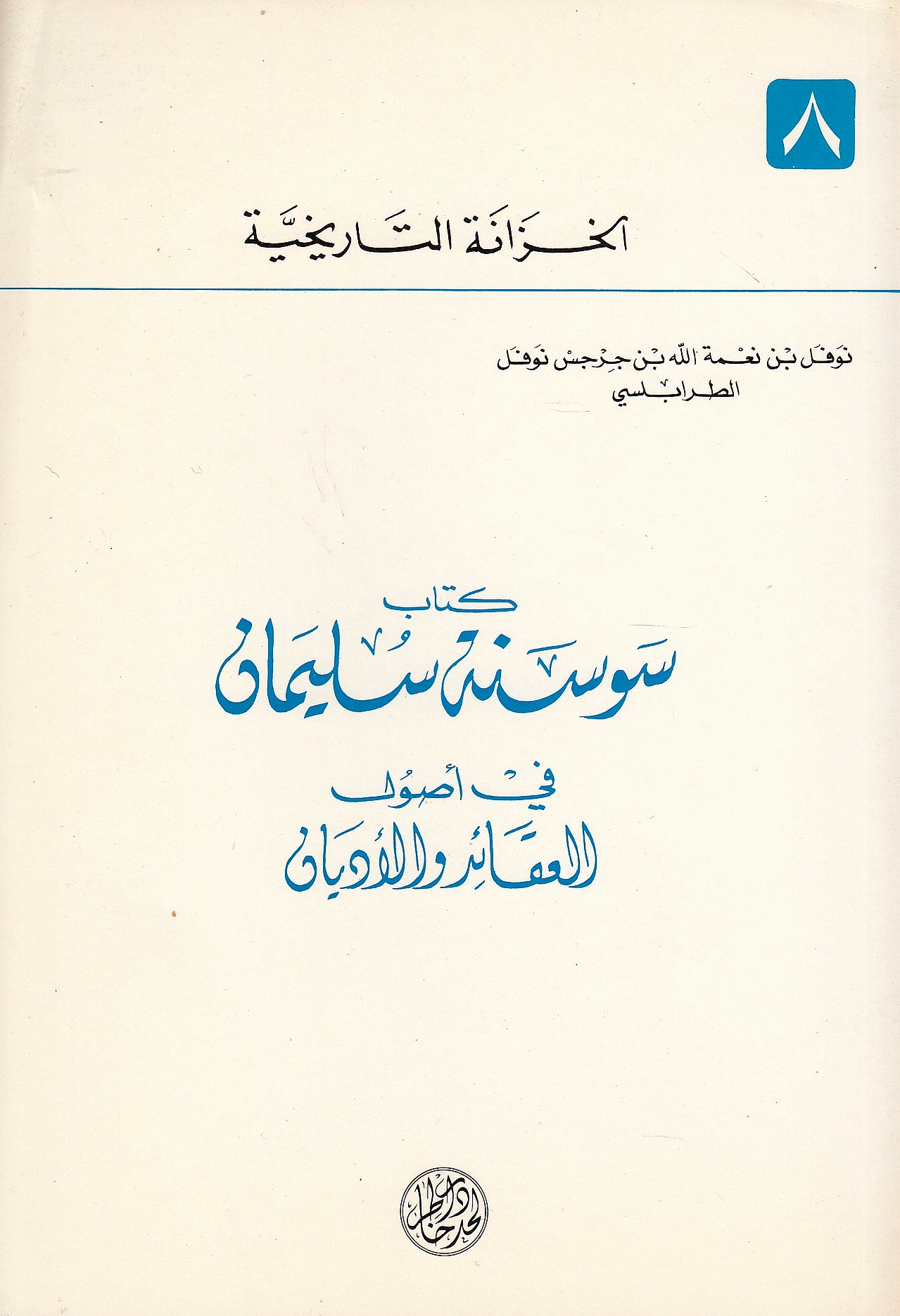 |
Kitab al-Sawsanat Sulayman fi usul al-'aqa'id wa al-adyan. |
al-Tarabulusi, Nawfal Ni'mat Allah (1812-1887) |
269p. |
Dar al-Lahad Khatir |
1987 |
1,826円 |
Religion -- Philosophy -- Christian-Muslim relatiojns
كتاب سوسنة سليمان : في أصول العقائد والأديان
نعمة الله بن جرجس نوفل الطرابلسي
Kitāb Sawsanat Sulaymān fī uṣūl al-ʻaqāʼid wa-al-adyān (= History of religions)
Ṭarābulusī, Nawfal Niʻmat Allāh, 1812-1887 |
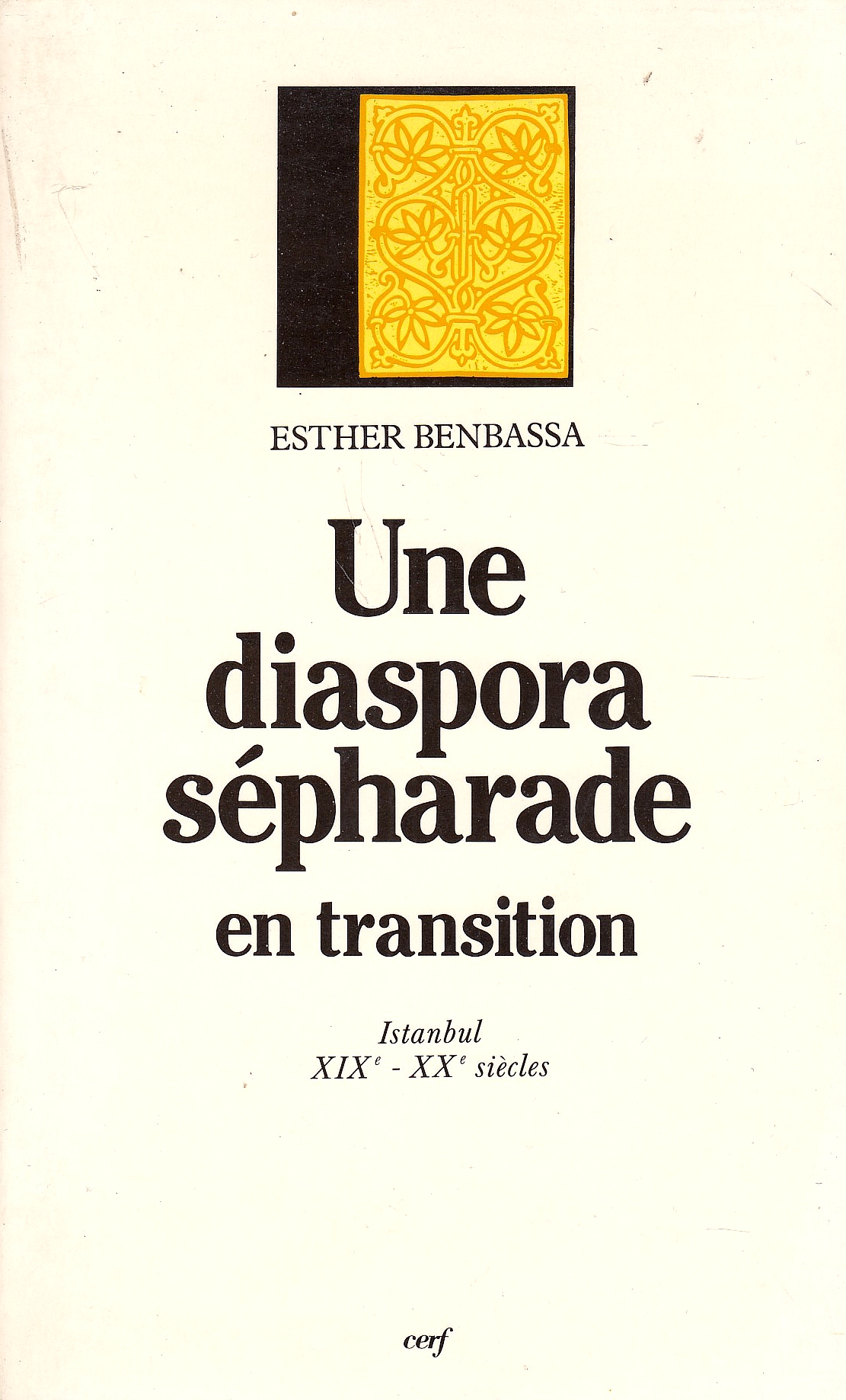 |
Une Diaspora Sepharde en Transition: Istanbul, XIXe-XXe siecle. |
Benbassa, Esther |
299p. |
Cerf |
1993 |
2,369円 |
Jews -- Sephardim -- Turkey -- Ethnic relations -- History, 19th-20th centuries
Une diaspora sépharade en transition : Istanbul, XIXe-XXe siècle/ Esther Benbassa |
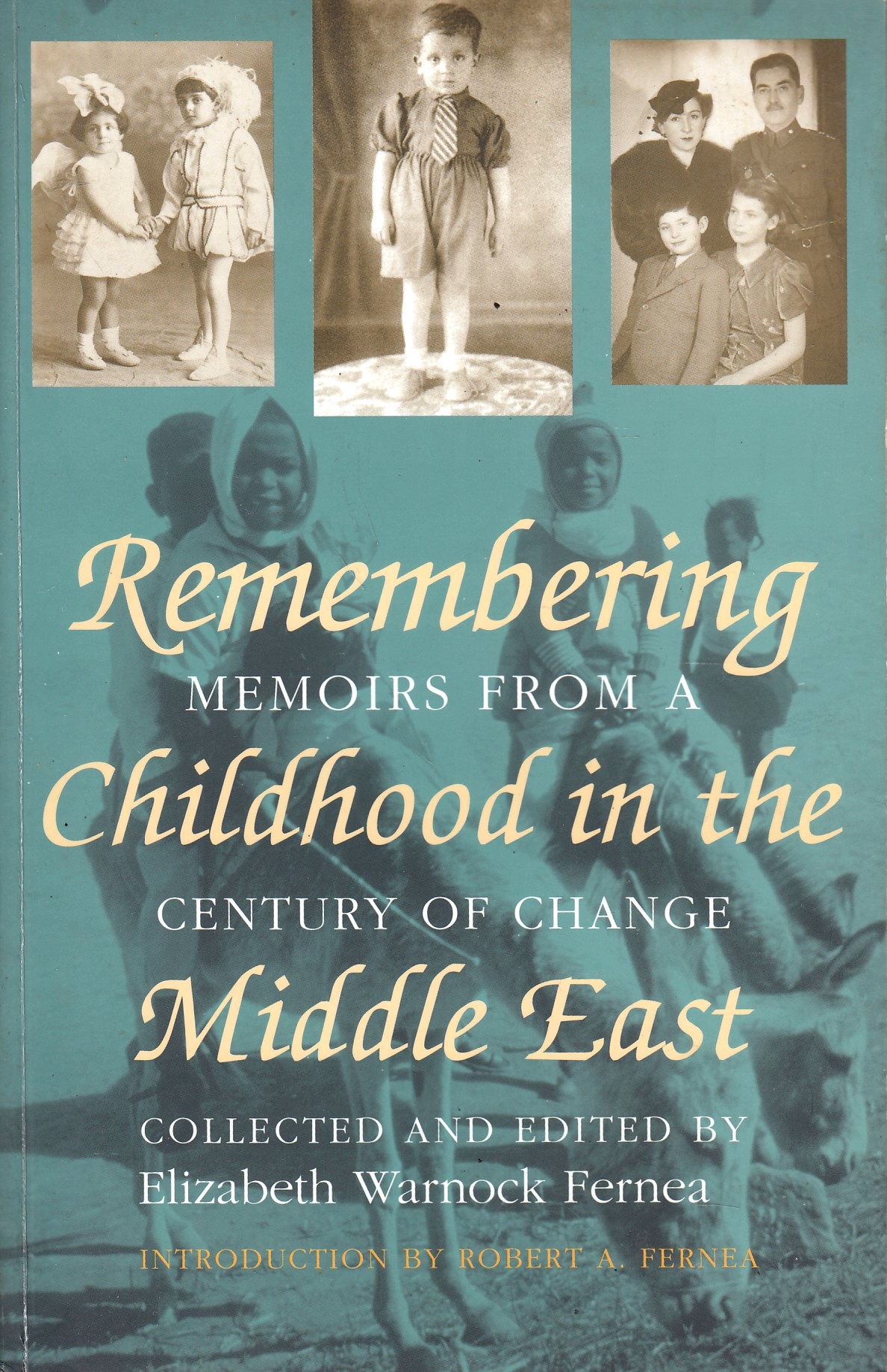 |
Remembering Childhood in the Middle East: memoirs from a century of change. |
Fernea, Elizabeth Warnock (ed.) |
398p photos. |
University of Texas Pr. |
2002 |
1,694円 |
Middle East -- Biographies -- Ethnic relations -- Social life and customs -- 20th century
Elizabeth Warnock Fernea, a well-known writer of books and documentary films about women and the family in the Middle East, has collected stories of childhoods spent in Egypt, Iran, Iraq, Israel, Jordan, Kuwait, Lebanon, Morocco, Palestine, Saudi Arabia, Sudan, Syria, Tunisia, and Turkey. The accounts span the entire twentieth century, a full range of ethnicities and religions, and the social spectrum from aristocracy to peasantry. They are grouped by eras, for which Fernea provides a concise historical sketch, and include a brief biography of each contributor. The introduction by anthropologist Robert A. Fernea sets the memoirs in the larger context of Middle Eastern life and culture.
Some essays translated from Arabic or French, and previously published
⦁ The end of the Ottoman Empire (1923)
⦁ European colonial rule and the rise of Arab nationalism (1830-1967); Establishment of the state of Israel (1948)
⦁ New nations (1952-1963); Oil wealth and OPEC (1973); Israeli-Palestinian wars (1967, 1973); Camp David treaty (1979); Iranian revolution (1979)
⦁ The post-colonial Middle East (1971) |
 |
Arab Mass Media: newspapers, radio, and television in Arab politics. |
Rugh, William A. |
xvii,259p. |
Praeger |
2004 |
1,210円 |
Mass media -- Political aspects -- Arab countries
Since 9/11 and the wars in Afghanistan and Iraq, many television viewers in the United States have become familiar with Al Jazeera as an alternative take on events from that presented by mainstream U.S. media, as well as a disseminator of anti-American invective
Westerners have tended toward simplistic views of Arab newspapers, radio, and television, assuming that they are all under government control and that freedom of press is non-existent. William A. Rugh, a long time observer of the Arab mass media, offers a more nuanced picture of the Arab press as it relates to the political situation in the Arab world today. |