| |
書名 |
著者名 |
頁数 |
出版元 |
刊行年 |
価格 |
解説 |
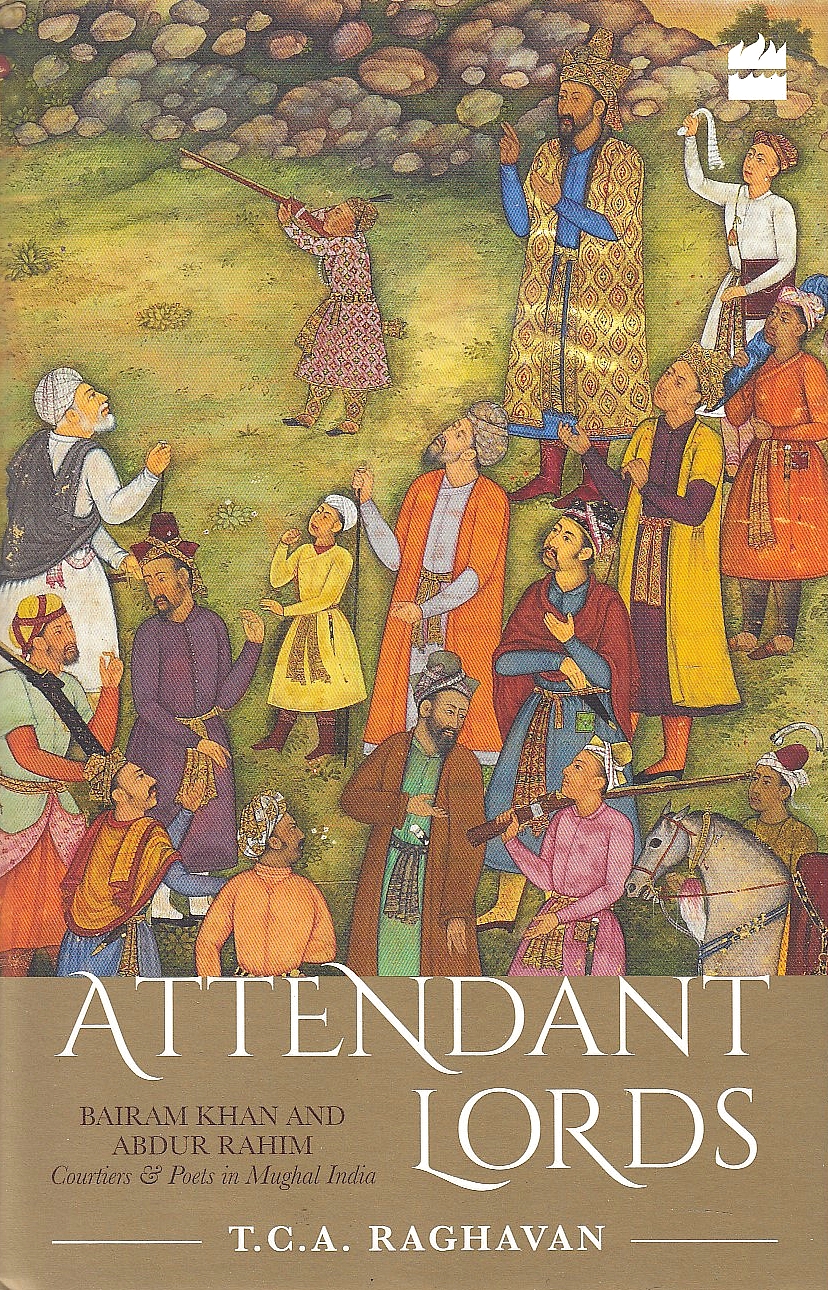 |
Attendant Lords: Bairam Khan and Abdur Rahim: courtiers & poets in Mughal India. |
Raghavan, T.C.A. |
xiii,337p. illus. |
HarperCollins |
2017 |
3,459円 |
Nobility -- Poets -- Mogul Empire -- Biography -- History
Bairam Khan and his son, Abdur Rahim Khan-i-Khanan were soldiers, poets and courtiers whose lives reflected the turbulent times they lived in. In telling their stories, Attendant Lords spans the reigns of four emperors - Babur, Humayun, Akbar and Jahangir - and covers over a hundred years of Mughal history, a time when these two noblemen were at the very heart of the court's labyrinthine politics. -- After Humayun's untimely death, Bairam Khan was regent to the young Emperor Akbar for four critical years. Bairam's own son, Abdur Rahim, became one of the most important generals of the Mughal Empire, but he is best remembered for his literary prowess, most particularly for his famous 'dohas'. Literature plays a large part in this story. -- This unusual dual biography traces the lives of these two noblemen against the backdrop of the courtly intrigues, brutal power struggles and the grand literary endeavours of the Mughal court. And it looks at their afterlives - how politics and the Hindi-Urdu debate reincarnated them as national heroes; how both men came to be seen as standing at the confluence of Hinduism and Islam; how their life stories have undergone subtle transformations; and how history, religion and literature combine in the broader context of nationalism and nation building |
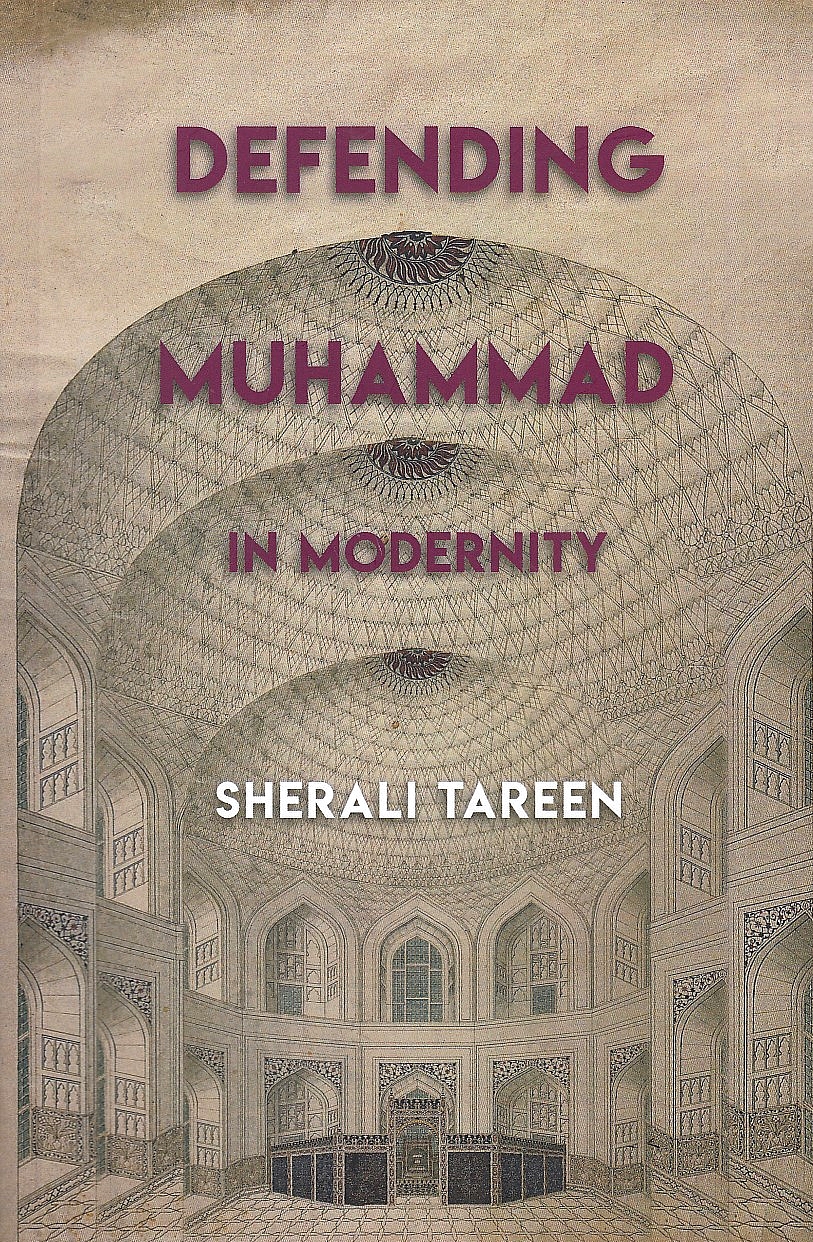 |
Defending Muhammad in Modernity. |
Tareen, SherAli |
xxii,482p. |
Permanent Black/ Ashoka Univ. |
2929 |
2,779円 |
South Asia -- Religion -- Bareilly School (Islam) -- Deoband School
In this groundbreaking study, SherAli Tareen presents the most comprehensive and theoretically engaged work to date on what is arguably the most long-running, complex, and contentious dispute in modern Islam: the Barelvī-Deobandī polemic. The Barelvī and Deobandī groups are two normative orientations/reform movements with beginnings in colonial South Asia. Almost two hundred years separate the beginnings of this polemic from the present. Its specter, however, continues to haunt the religious sensibilities of postcolonial South Asian Muslims in profound ways, both in the region and in diaspora communities around the world. |
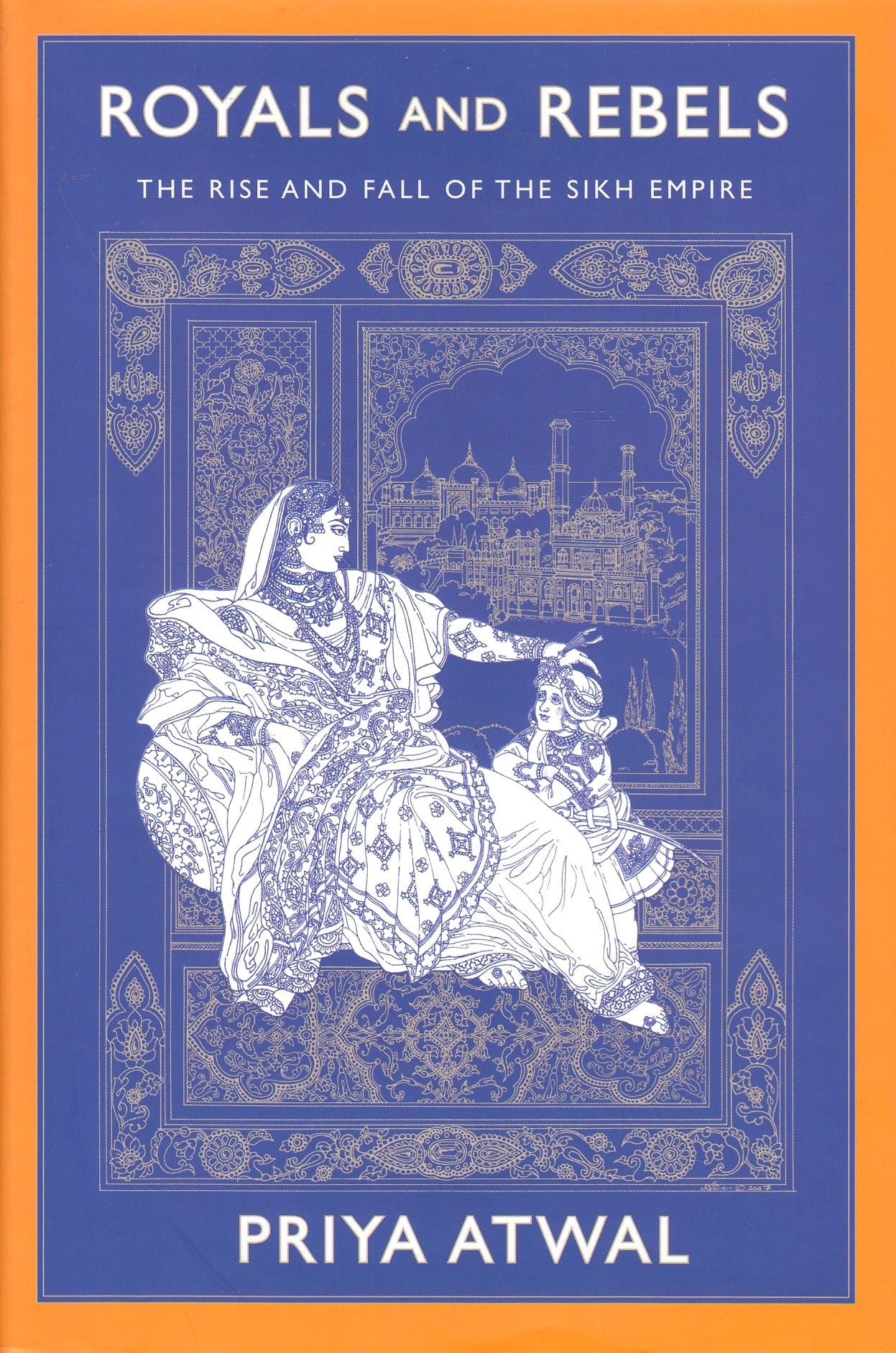 |
Royals and Rebels: the rise and fall of the Sikh Empire. |
Atwal, Priya |
312p ills. |
Hurst |
2020 |
5,788円 |
Punjab -- Kings and Rulers -- Ranjit Singh, Maharaja of the Punjab, 1780-1839 -- History -- 1700-1899
In late-eighteenth-century India, the glory of the Mughal emperors was fading, and ambitious newcomers seized power, changing the political map forever. Enter the legendary Maharajah Ranjit Singh, whose Sikh Empire stretched throughout northwestern India into Afghanistan and Tibet. Priya Atwal shines fresh light on this long-lost kingdom, looking beyond its founding father to restore the queens and princes to the story of this empire's spectacular rise and fall. She brings to life a self-made ruling family, inventively fusing Sikh, Mughal and European ideas of power, but eventually succumbing to gendered family politics, as the Sikh Empire fell to its great rival in the new India: the British. Royals and Rebels is a fascinating tale of family, royalty and the fluidity of power, set in a dramatic global era when new stars rose and upstart empires clashed. |
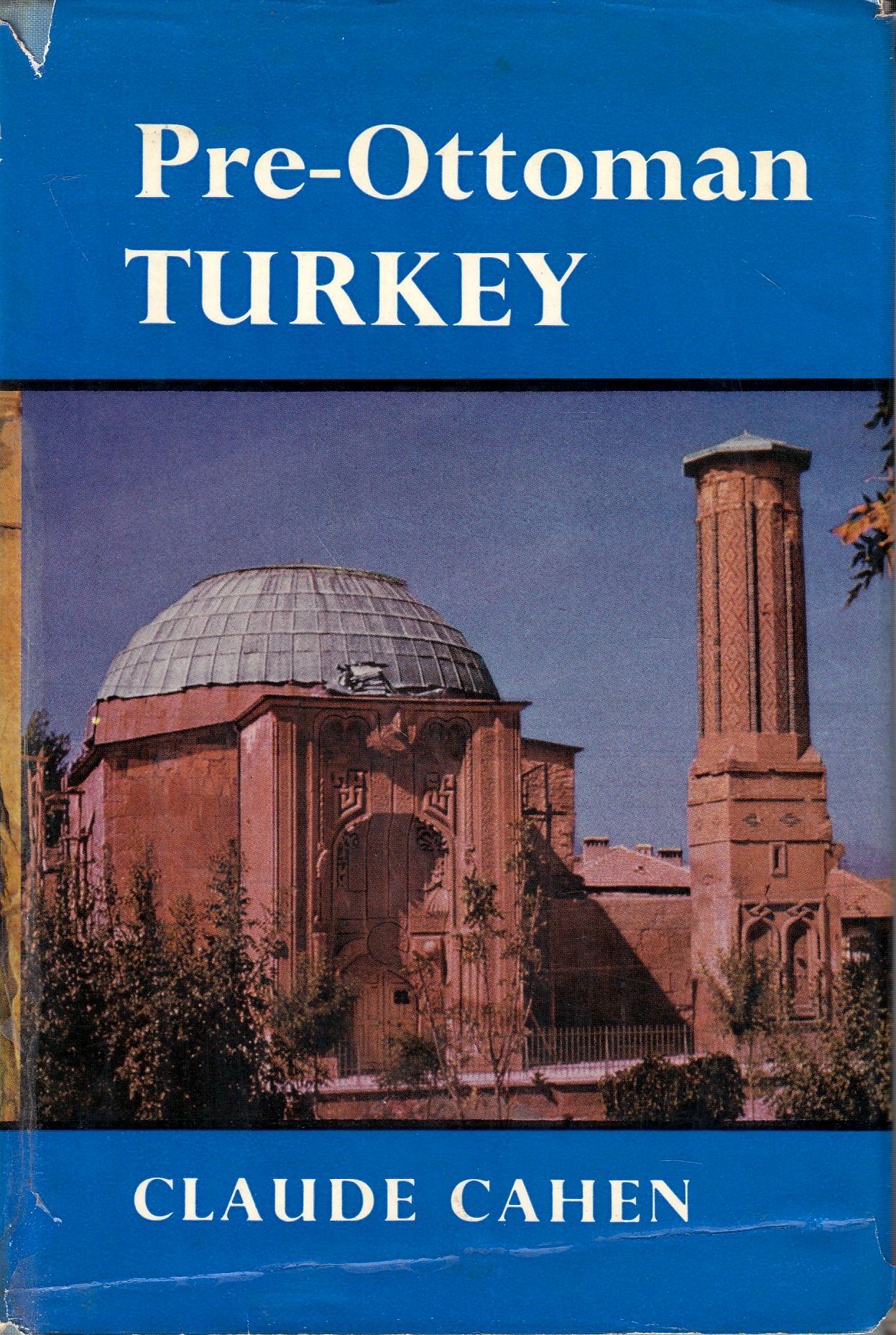 |
Pre-Ottoman Turkey: a general survey of the material and spiritual culture and history, c. 1071-1330. |
Cahen, Claude |
xx,458p. illus. maps 古書 |
Taplinger |
1968 |
2,799円 |
Turkey -- History -- To 1453
The Empire of the Great Seljukids --
Turkey in Asia Minor from the End of the Eleventh Century until 1243 --
Society and Institutions in Turkey Before the Mongols --
The Mongol Period.
書込みあり |
 |
Two Queens of Baghdad: mother and wife of Hārūn al-Rashīd. |
Abbott, Nabia |
xv,277p |
Saqi Books |
1986 (1946) |
1,089円 |
Hārūn al-Rachīd, calife, 766-809 -- Khayzuran, Queen of Baghdad, d. 789 -- Zubaydah, Queen of Baghdad, d. 831
This volume recounts the lives of the mother and wife of Harun al-Rashid, contemporary of Charlemagne and hero of many a tale from the "Arabian Nights". Khaizuran and Zubaidah, the "two queens", flouted the taboos of Muslim society and left their imprint on a key period of Islamic history. |
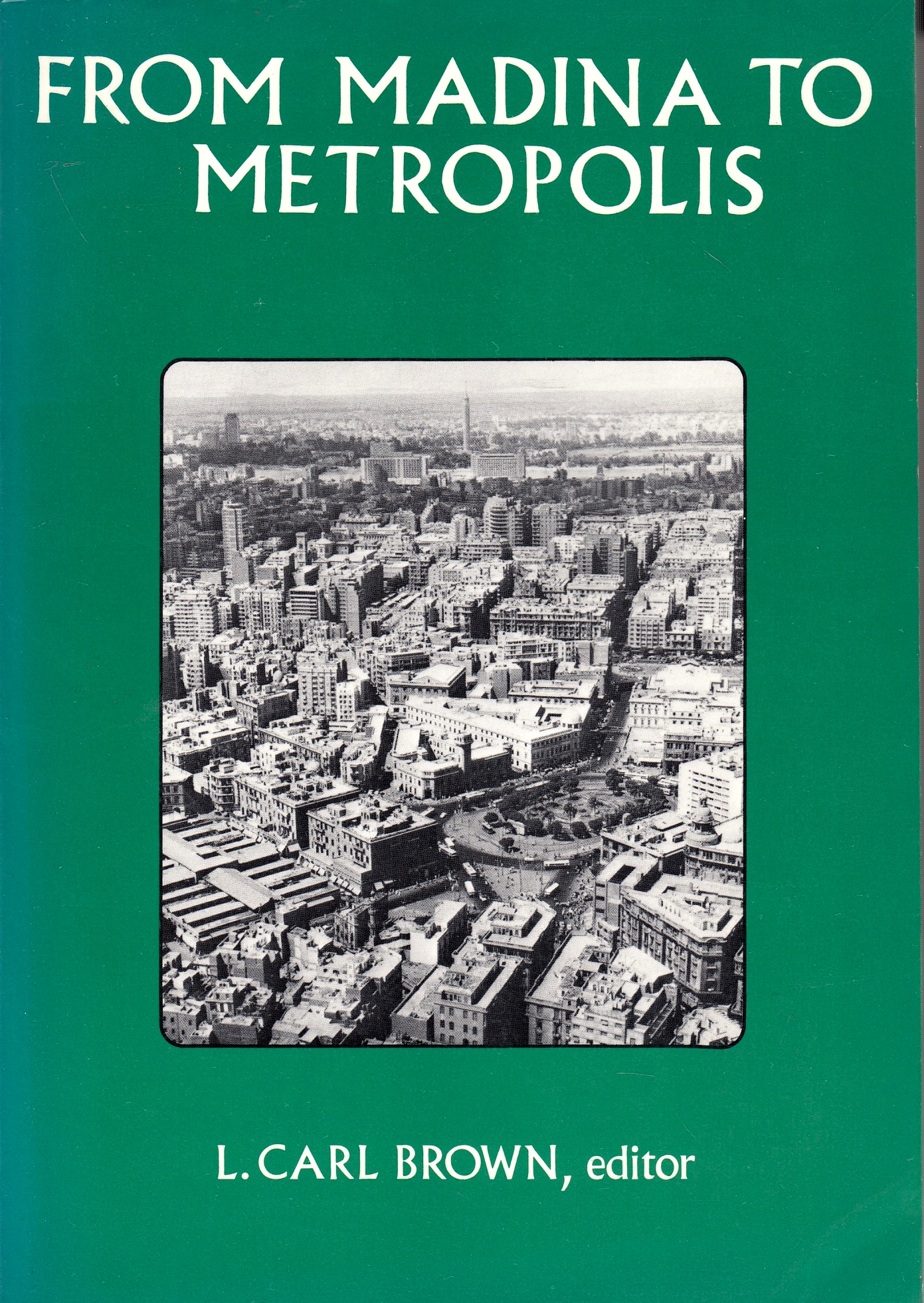 |
From Madina to Metropolis: heritage and change in the Near Eastern city. |
Brown, L. Carl (ed.) |
343p. photos |
Princeton U.P. |
1973 |
1,295円 |
Middle East -- Cities and towns -- Sociology -- History
I: The Traditional, Near Eastern City,
II: Urban Development and Chnge - soe individual examples,
III: Country Planning,
IV: Cultural Heritage and Aesthetic Factors |
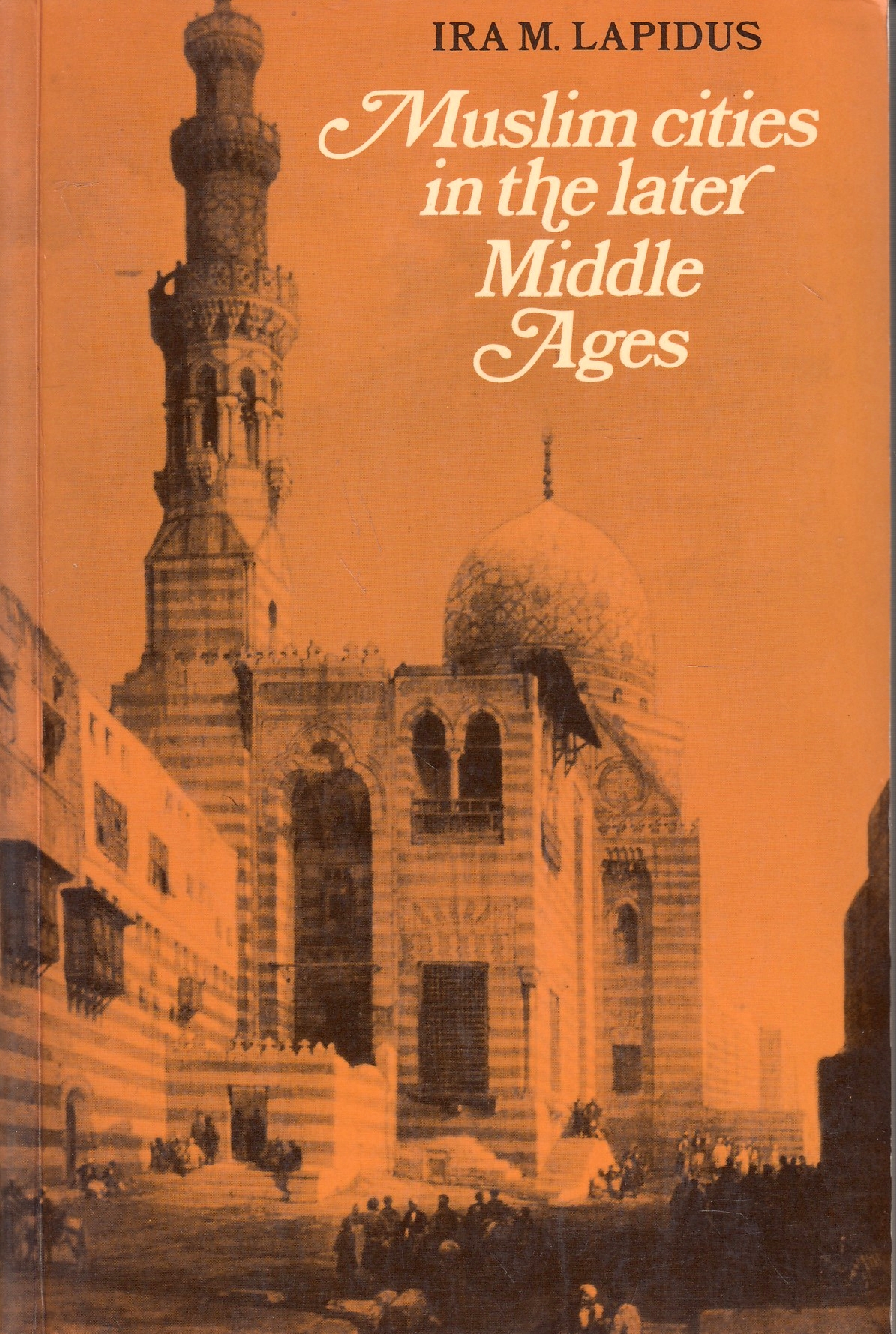 |
Muslim Cities in the Later Middle Ages. |
Lapidus, Ira M. |
xvi,208p. 古書 |
Cambridge U.P. |
1984(67) |
1,210円 |
Middle East -- Islamic cities and towns -- Sociology -- History
First published in 1967, Muslim Cities in the Later Middle Ages is one of the most influential works in the field of Islamic history. Primarily a study of the main cities of the Mamluk state of the fourteenth and fifteenth centuries AD, Professor Lapidus' book serves to provide a framework for understanding the long evolution of Muslim political and social institutions and urban societies. |
 |
Middle Eastern Cities: a symposium on ancient, Islamic, and contemporary Middle Eastern Urbanism. |
Lapidus, Ira M. (ed.) |
xi,206p. |
U. of California Pr. |
1979 |
2,699円 |
Cities and towns -- Middle East -- History
Part 1. The ancient Middle Eastern city. Mesopotamia: land of many cities / A.L. Oppenheim.
Part 2. The traditional Muslim city.
The architecture of the Middle Eastern city / O. Grabar --
Muslim cities and Islamic societies / I.M. Lapidus --
Cairo : an Islamic city in the light of the Geniza documents / S.D. Goitein.
Part 3. Contemporary Middle Eastern cities.
Economic change and urbanization in the Middle East / C. Issawi --
Village and city : cultural continuities in twentieth century Middle Eastern cultures / J. Gulick --
Varieties of urban experience : contrast, coexistence, and coalescence in Cairo / J. Abu-Lughod.
Conclusion / R. McC. Adams |
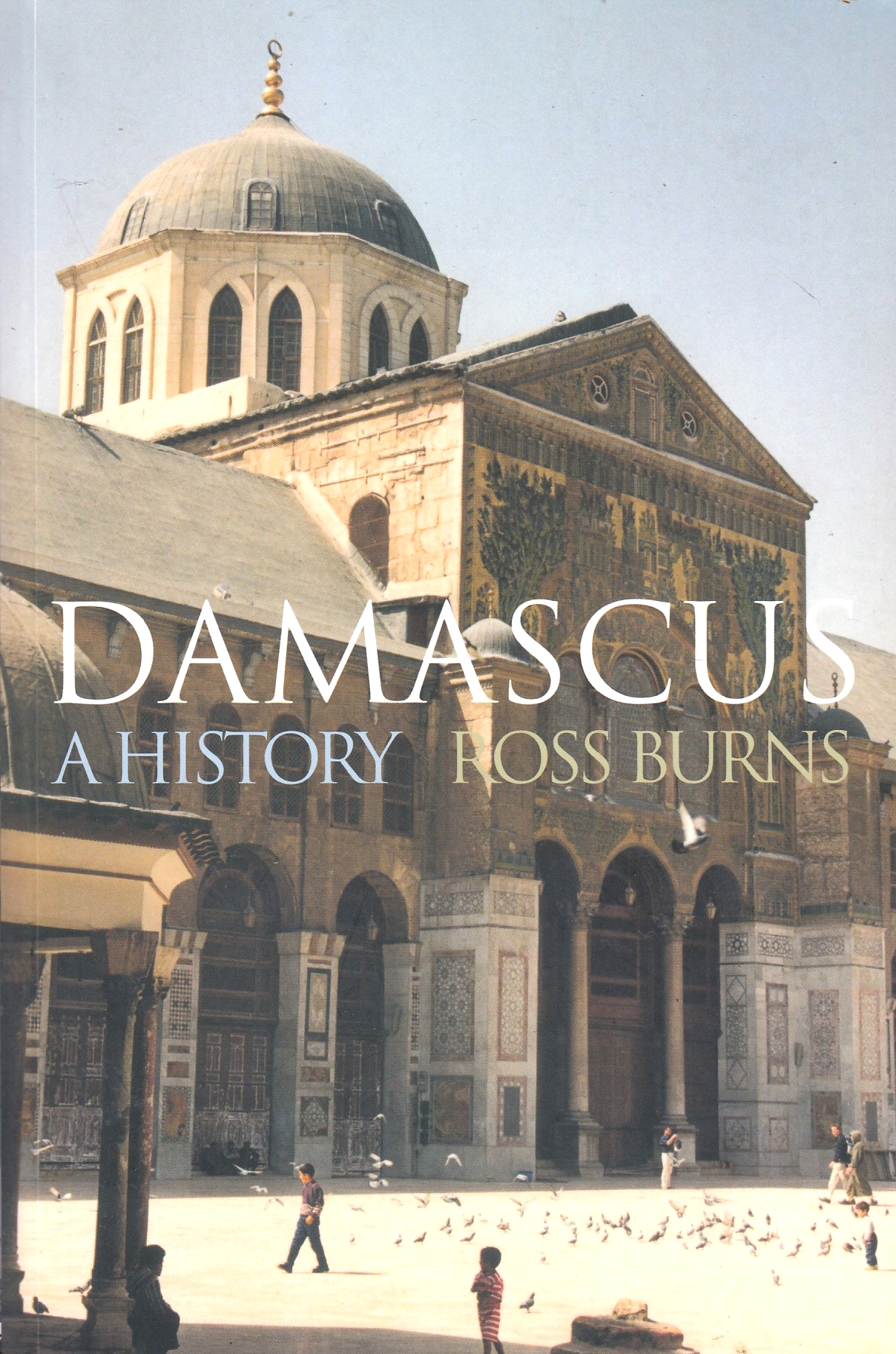 |
Damascus: a history. |
Burns, Ross |
xx,386p maps |
Routledge |
2007(05) |
1,694円 |
Damascus (Syria) -- History
This is the first book in English to relate the history of Damascus, bringing out the crucial role the city has played at many points in the region's past. Damascus traces the history of this colourful, significant and complex city through its physical development, from the city's emergence in around 7000 BC through the changing cavalcade of Aramaean, Persian, Greek, Roman, Byzantine, Arab, Mongol and French rulers right up to the end of Turkish control in 1918. |
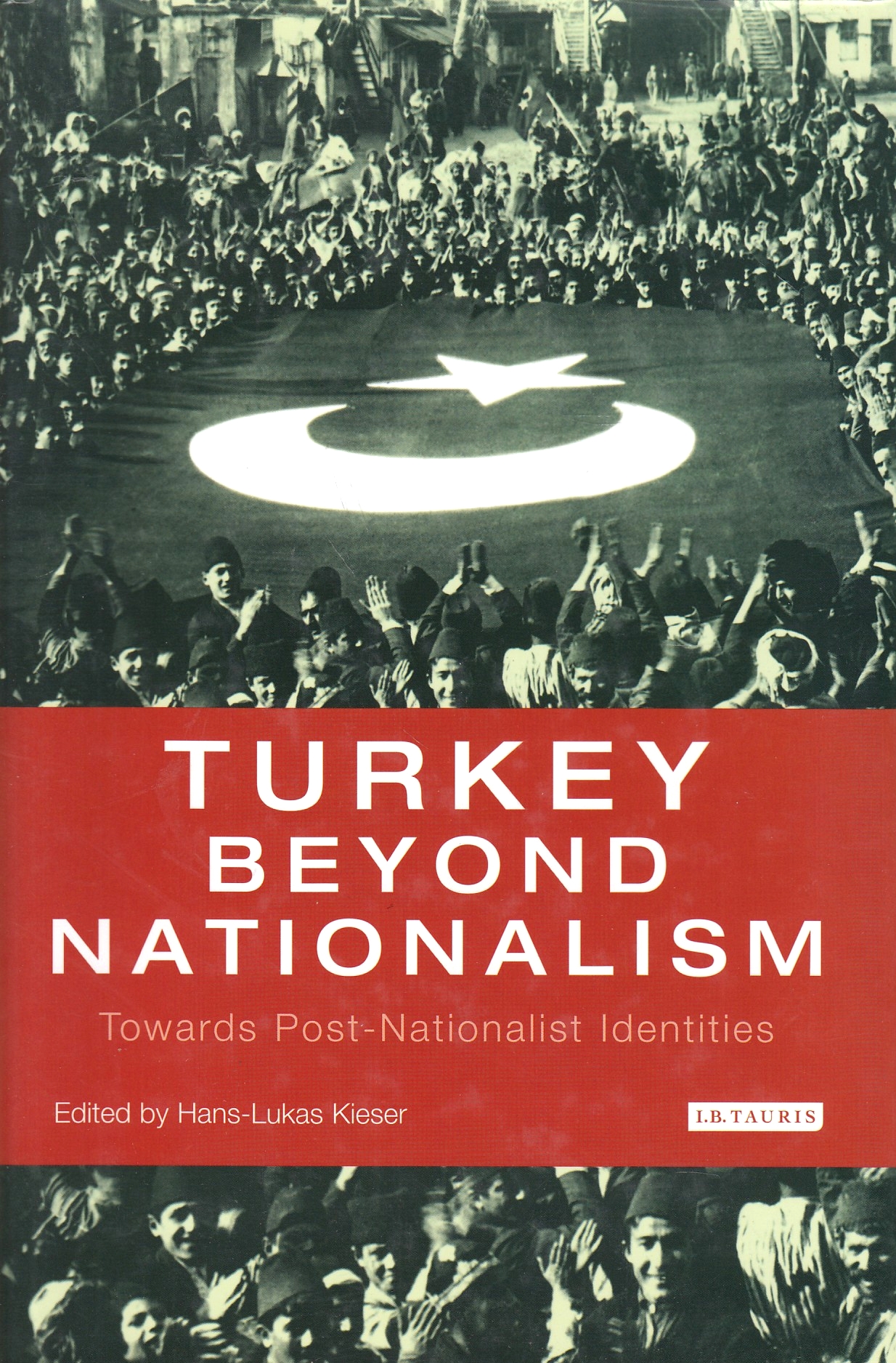 |
Turkey beyond Nationalism: towards post-nationalist identities. |
Kieser, Hans-Lukas (ed.) |
xvii,242p |
I.B. Tauris |
2006 |
2,662円 |
Nationalism -- Turkley -- History b-- 20th century
The book explores the historical impact of nationalist thinking and examines the shifts which have created a political culture that harks beyond nationalism. Turkism was central to the foundation of the Republic in 1923. |
 |
Relocating the Fault Lines: Turkey beyond the East-West divide. |
Güzeldere, Güven & Sibel Irzik (ed.) |
v,283p-666p. |
Duke U.P. |
2003 |
1,452円 |
Turkey -- Civilization -- Politics and government
Islamic but secular, ambivalent about its Ottoman past, and anxious for membership in the European Union, Turkey seems to be easily cast as a bridge between the East and the West. This book includes essays that examine the preoccupation of modern Turkish literature and popular culture with notions of imitation and authenticity. |
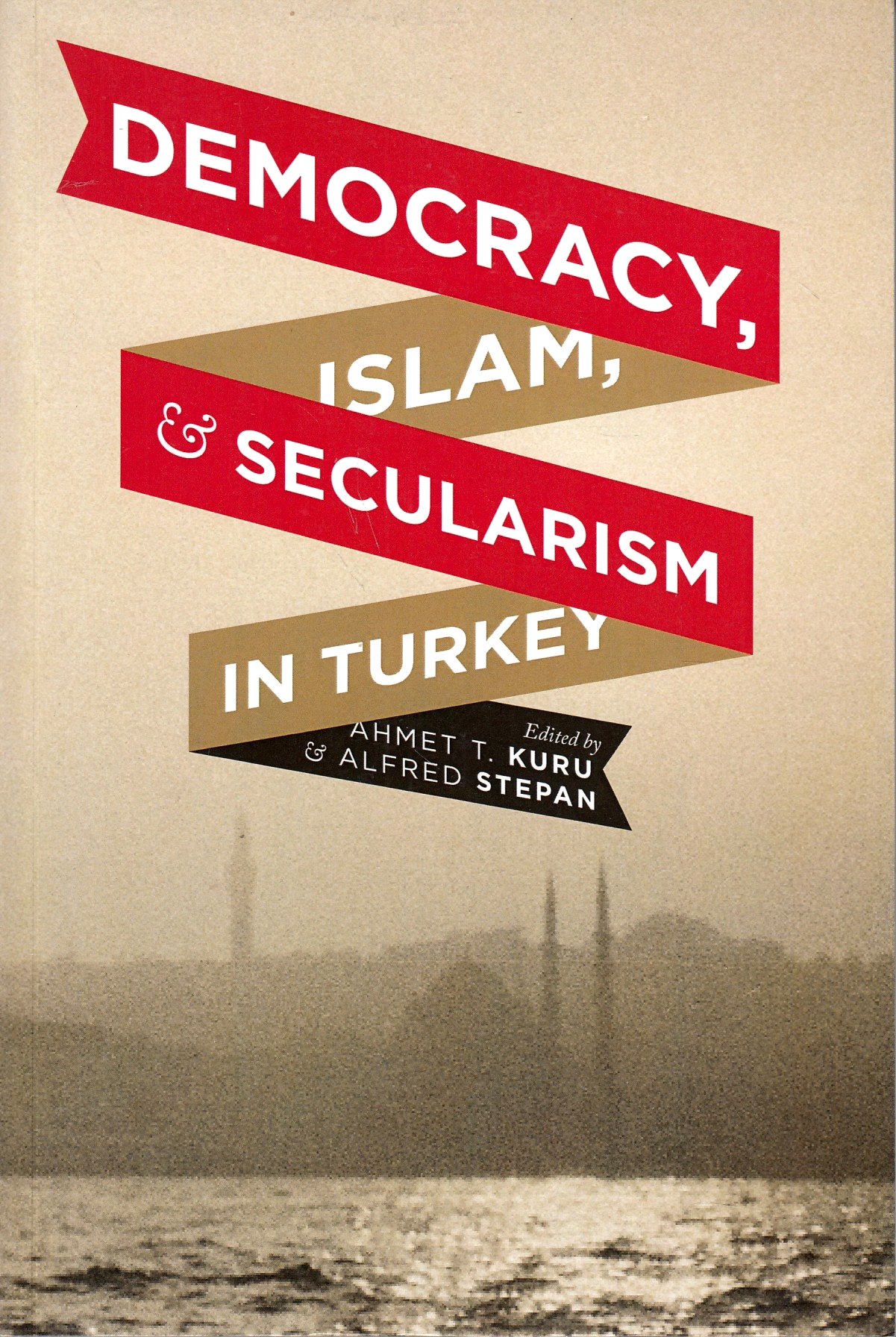 |
Democracy, Islam, and Secularism in Turkey. |
Kuru, Ahmet T. & Alfred Stepan (ed.) |
vi,216p. pap. |
Columbia U.p. |
2012 |
2,178円 |
Turkey -- Democracy -- Cultural pluralism -- Islam and state
While Turkey has grown as a world power, promoting the image of a progressive and stable nation, several policy choices have strained its relationship with the East and the West. Providing social, historical, and religious context for Turkey's singular behavior, the essays in the book examine issues relevant to Turkish debates and global concerns, from the state's position on religion to its involvement in the European Union. |
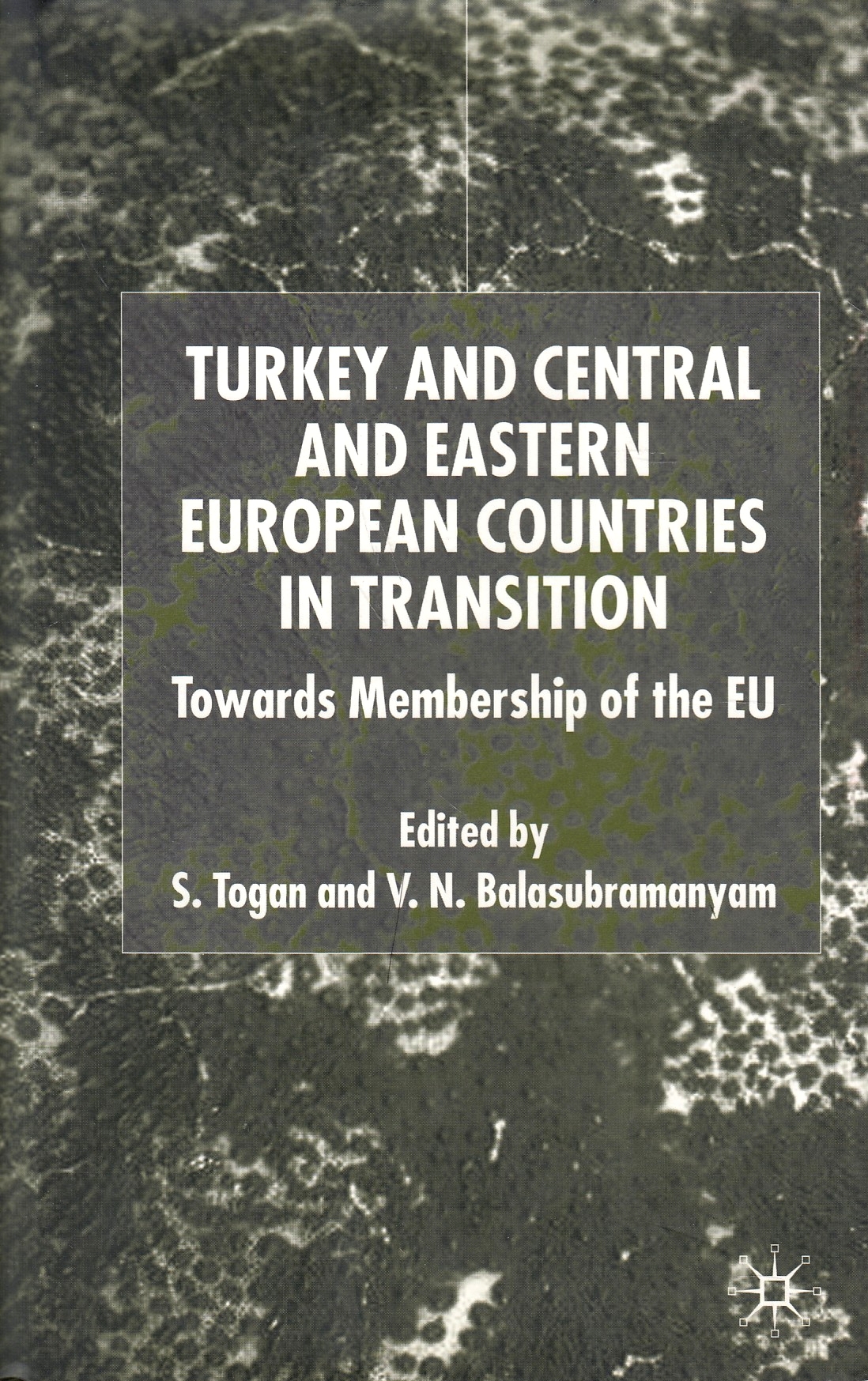 |
Turkey and Central and Eastern European Countries in Trasition: towards membership of the EU. |
Togan, S. & V.N. Balasubramanyam (ed.) |
x,352p. |
Macmillan |
2000 |
14,226円 |
Turkey -- Economic policy -- European Union -- Europe, Eastern -- Congresses |
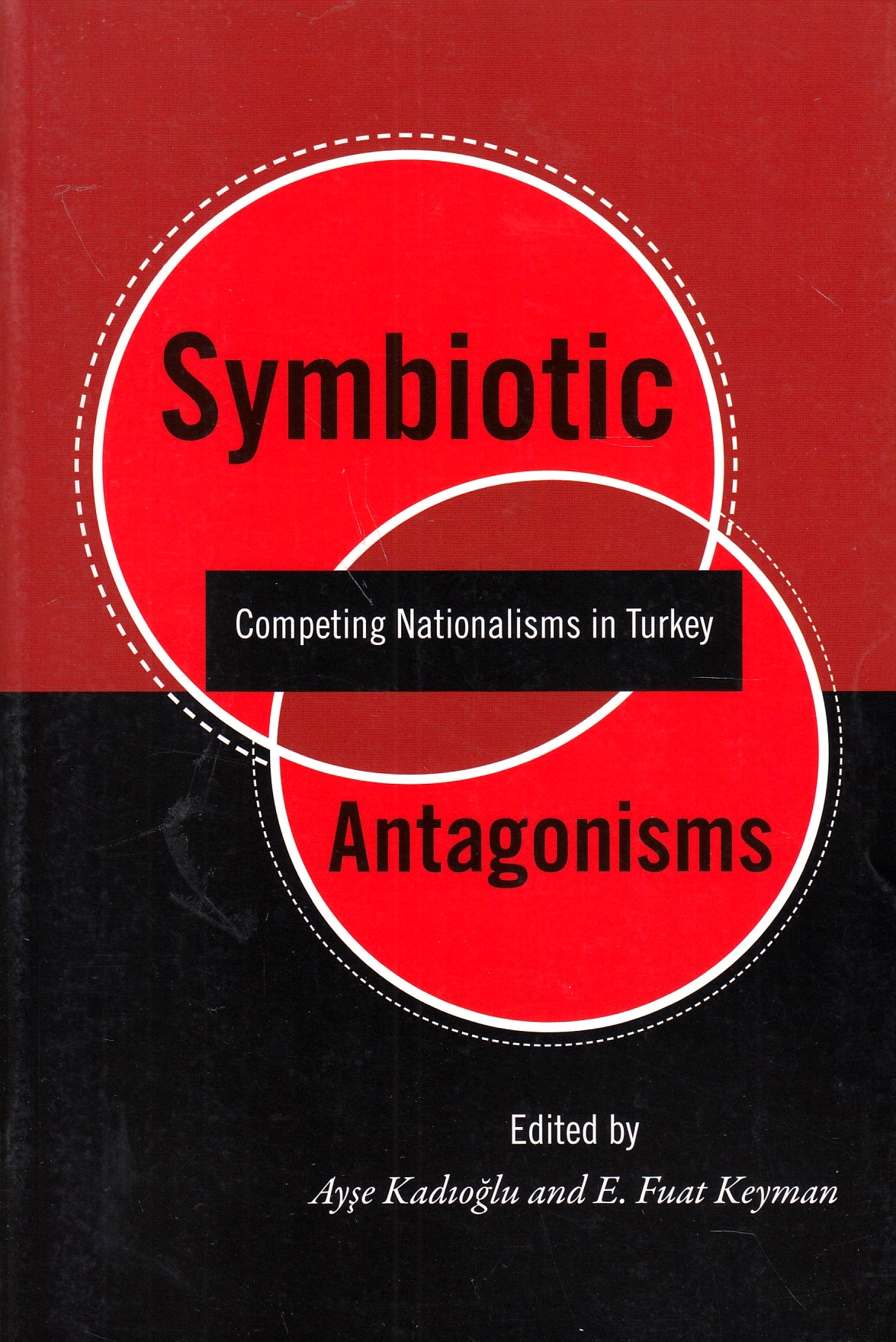 |
Symbiotic Antagonisms: competing nationalisms in Turkey. |
Kadıoğlu, Ayşe & Emin Fuat Keyman (ed.) |
xxi,376p |
U. of Utah Pr. |
2011 |
4,959円 |
Nationalism -- Turkey -- Politics and government -- 1980-
The book looks at the state-centric mode of modernization in Turkey that has constituted the very foundation on which nationalism has acquired its ideological status and transformative power. The book documents a symposium held at Sabanc.i University, presenting nationalism as a multidimensional, multiactor-based phenomenon that functions as an ideology, a discourse, and a political strategy. Turkish, Kurdish, and Islamic nationalisms are systematically compared in this timely and significant work. |
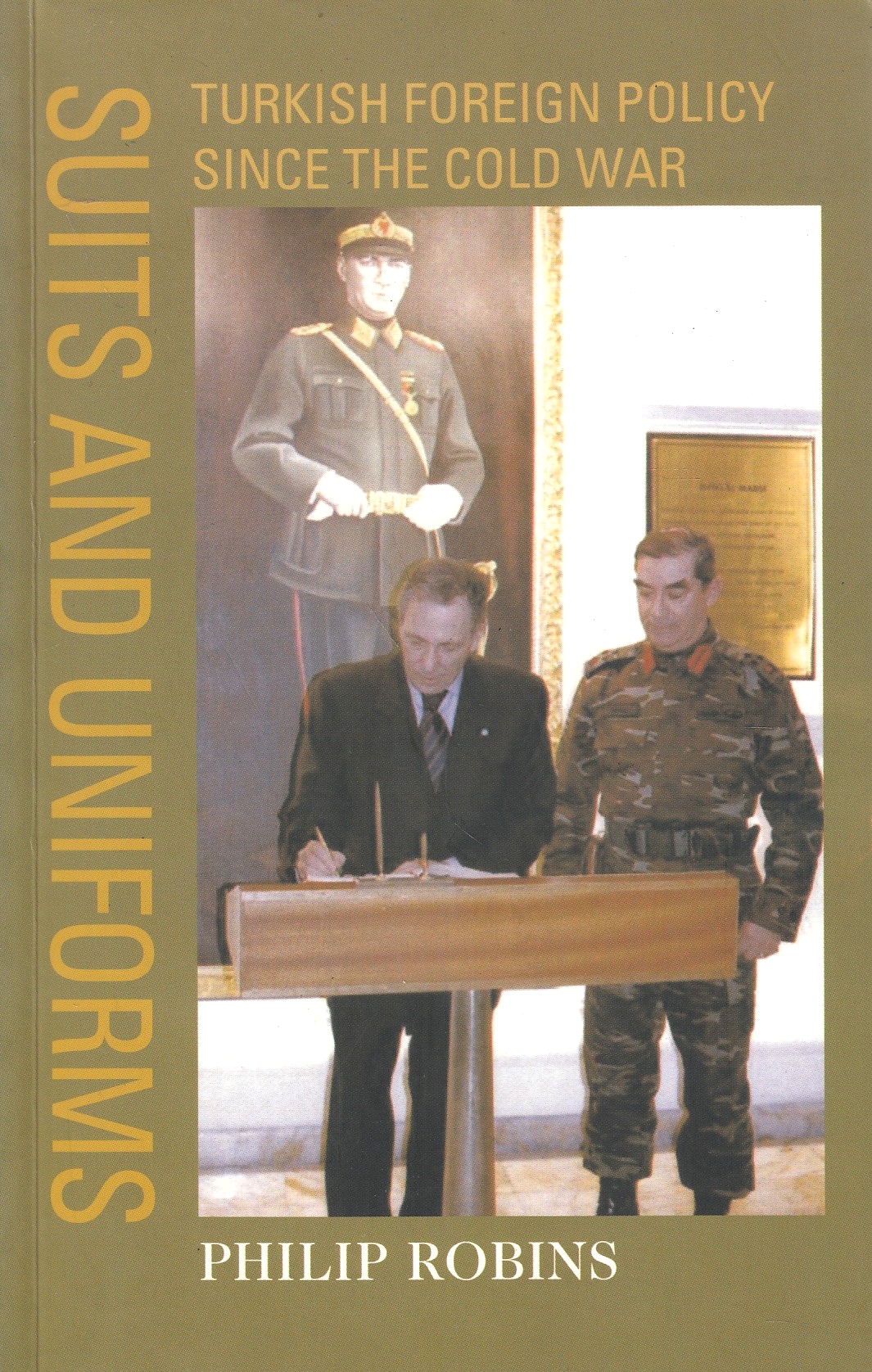 |
Suits and Uniforms: Turkish foreign policy since the Cold War. |
Robins, Philip |
xiii,404p. maps |
Hurst |
2003 |
2,420円 |
Turkey -- Foreign relations -- 1960-1980
Pt. I. Turkish Foreign Policy in Context --
1. Turkey and the Changing International System --
2. Players and Processes --
Pt. II. Domestic Motivators of Turkish Foreign Policy --
3. History and Foreign Policy --
4. Ideology as Foreign Policy --
5. Security and Foreign Policy --
6. Economics as Foreign Policy --
Pt. III. Turkish Foreign Policy in Action --
7. Turkey and Israel: Embattled Allies in the 'New Middle East' --
8. Self-interest before Sentiment: Turkey's Relations with the Turkic Republics --
9. Turkey and Northern Iraq: Learning to Live with Contradictions --
10. In Pursuit of Peace: Turkey and the Bosnian Crisis |
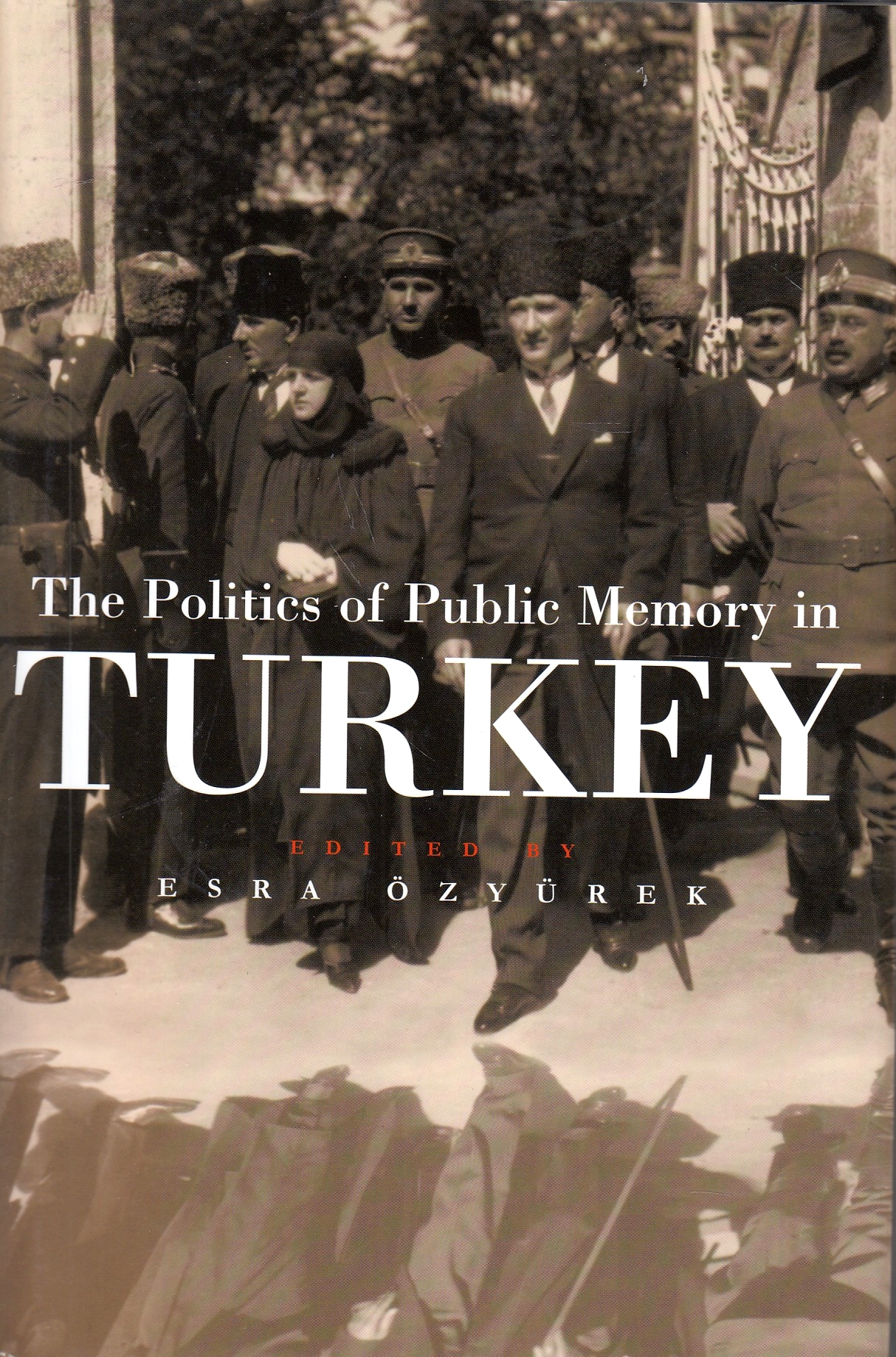 |
The Politics of Public Memory in Turkey. |
Özyürek, Esra (ed.) |
x,225p. |
Syracuse U.P. |
2007 |
3,146円 |
Collective memory -- Turkey -- History
Turkish society is frequently accused of having amnesia. It has been said that there is no social memory in Turkey before Mustafa Kemal Ataturk founded modern Turkey after World War I. Indeed, in 1923, the newly founded Turkish Republic committed to a modernist future by erasing the memory of its Ottoman past. Now, almost eighty years after the establishment of the Republic, the grandchildren of the founders have a different relationship with history. New generations make every effort to remember, record, and reconcile earlier periods. |
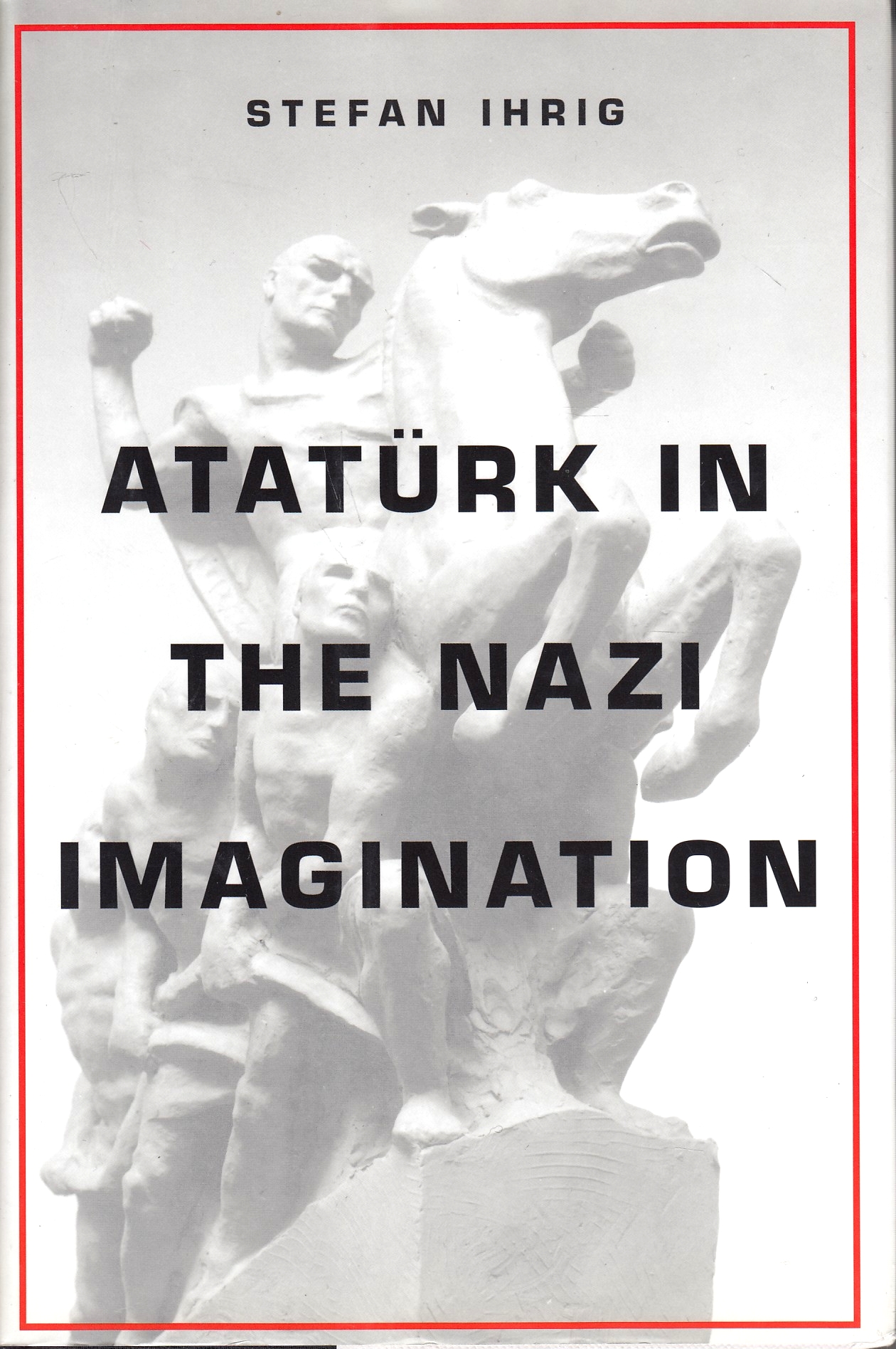 |
Atatürk in thre Nazi Imagination. |
Ihrig, Strefan |
311p. illus. maps |
Harvard U.P. |
2014 |
4,235円 |
Germany -- Relations -- Turkey -- Atatürk, Kemal, 1881-1938
Early in his career, Adolf Hitler took inspiration from Benito Mussolini, his senior colleague in fascism--this fact is widely known. But an equally important role model for Hitler and the Nazis has been almost entirely neglected: Mustafa Kemal Atatürk, the founder of modern Turkey. Stefan Ihrig's compelling presentation of this untold story promises to rewrite our understanding of the roots of Nazi ideology and strategy. Hitler was deeply interested in Turkish affairs after 1919. He not only admired but also sought to imitate Atatürk's radical construction of a new nation from the ashes of defeat in World War I. Hitler and the Nazis watched closely as Atatürk defied the Western powers to seize government, and they modeled the Munich Putsch to a large degree on Atatürk's rebellion in Ankara. Hitler later remarked that in the political aftermath of the Great War, Atatürk was his master, he and Mussolini his students. This was no fading fascination. As the Nazis struggled through the 1920s, Atatürk remained Hitler's "star in the darkness," his inspiration for remaking Germany along nationalist, secular, totalitarian, and ethnically exclusive lines. Nor did it escape Hitler's notice how ruthlessly Turkish governments had dealt with Armenian and Greek minorities, whom influential Nazis directly compared with German Jews. The New Turkey, or at least those aspects of it that the Nazis chose to see, became a model for Hitler's plans and dreams in the years leading up to the invasion of Poland |
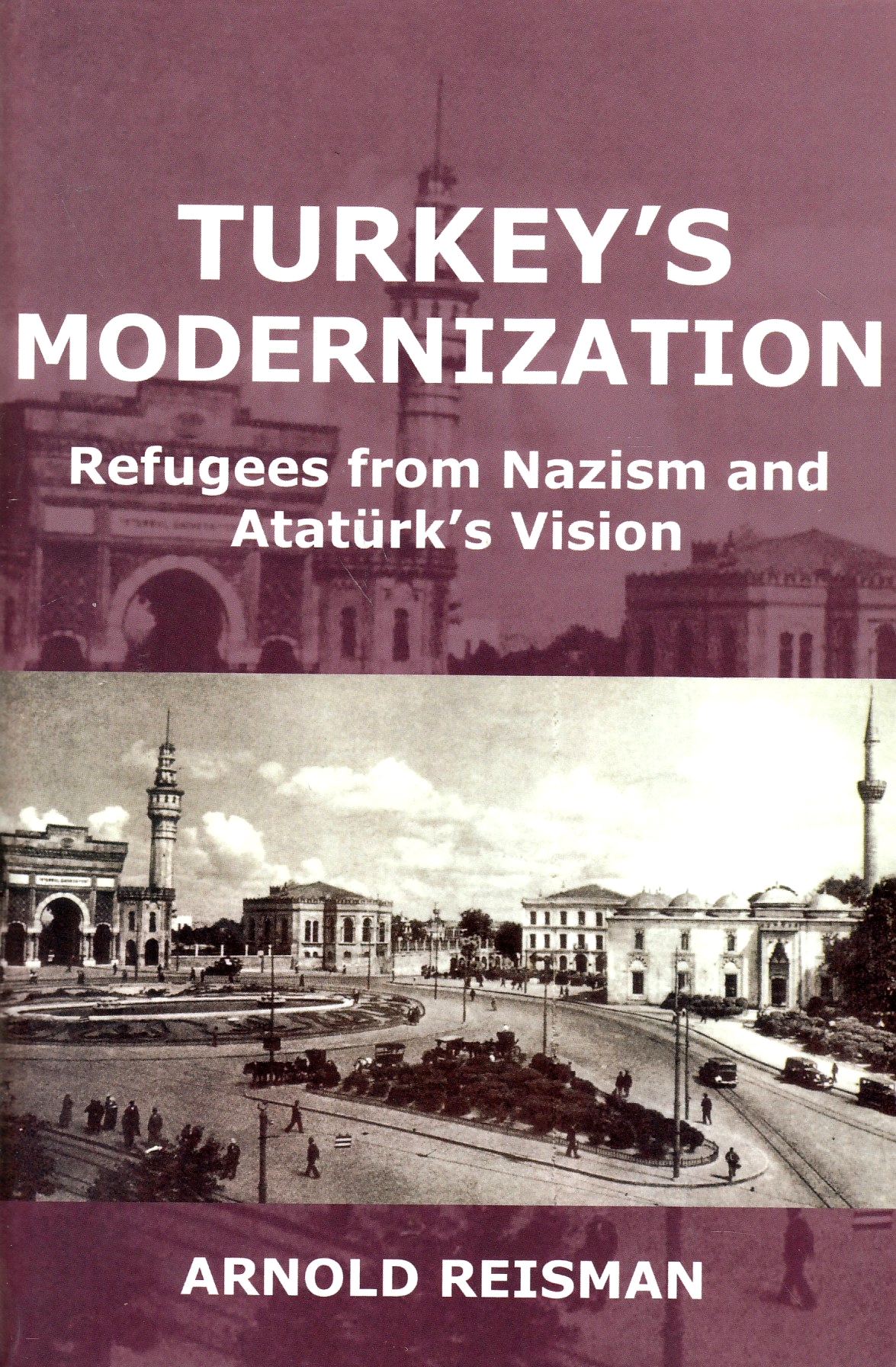 |
Turkey's Modernization: refugees from Nazism and Atatürk's vision. |
Reisman, Arnold |
xxvii,572p. facs. pap. |
New Academia Publishing |
2006 |
3,146円 |
German -- Turkey -- Ethnic relations -- Jews |
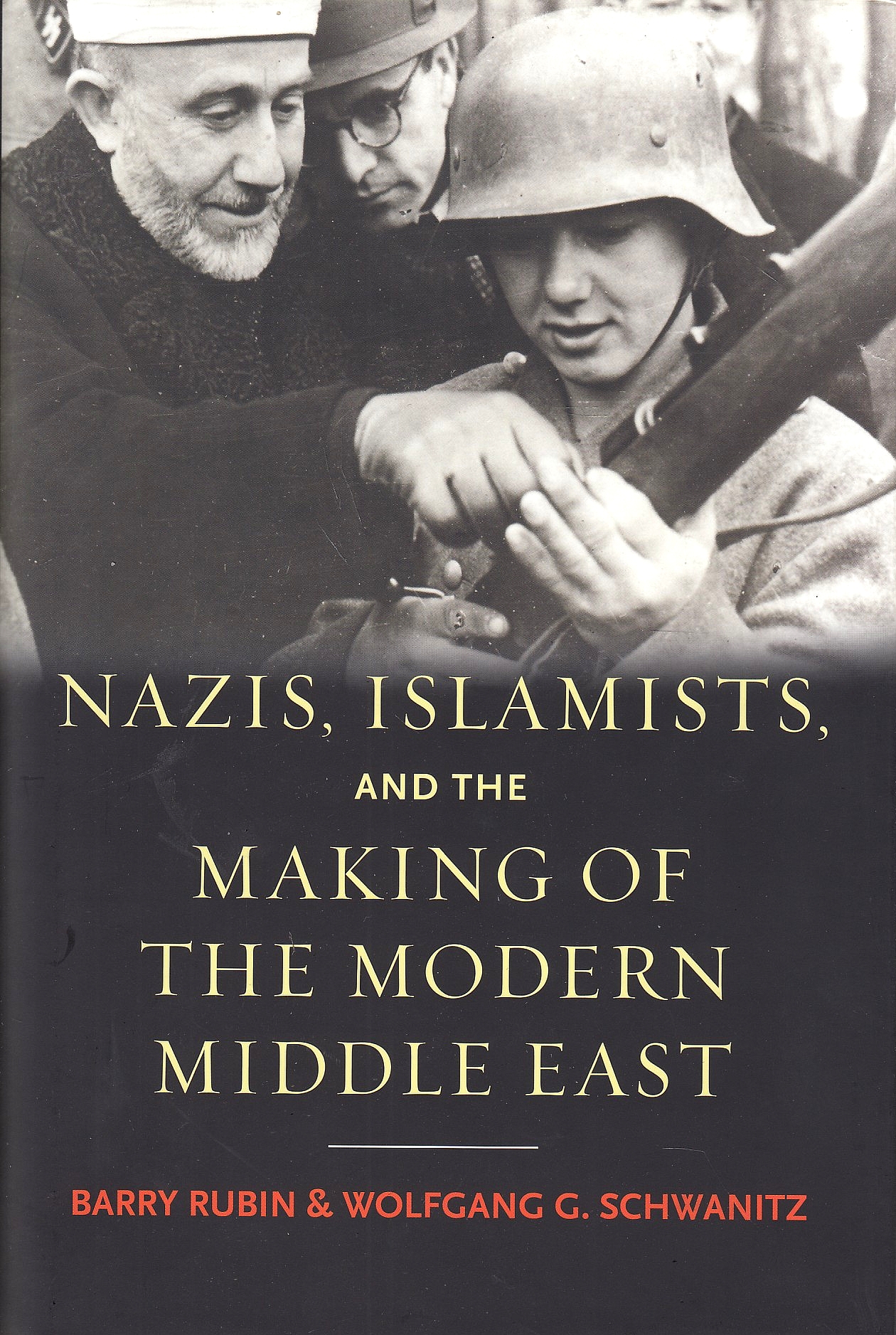 |
Nazis, Islamists, and the Making of Modern Middle East. |
Rubin, Barry & Walfgang G. Schwanitz |
xiii,340p. |
Yale U.P. |
2014 |
4,235円 |
Middle East -- Foreign relations -- Germany -- World War, 1939-1945
During the 1930s and 1940s, a unique and lasting political alliance was forged among Third Reich leaders, Arab nationalists, and Muslim religious authorities. From this relationship sprang a series of dramatic events that, despite their profound impact on the course of World War II, remained secret until now. In this groundbreaking book, esteemed Middle East scholars Barry Rubin and Wolfgang G. Schwanitz uncover for the first time the complete story of this dangerous alliance and explore its continuing impact on Arab politics in the twenty-first century. Rubin and Schwanitz reveal, for example, the full scope of Palestinian leader Amin al-Husaini's support of Hitler's genocidal plans against European and Middle Eastern Jews. In addition, they expose the extent of Germany's long-term promotion of Islamism and jihad. Drawing on unprecedented research in European, American, and Middle East archives, many recently opened and never before written about, the authors offer new insight on the intertwined development of Nazism and Islamism and its impact on the modern Middle East. |
 |
The Origins of Arab Nationalism. |
Khalidi, Tarif, L. Anderson, Muhd. Muslih & R.S. Simon (ed.) |
xix,325p. pap. 古書 |
Columbia U.P. |
1991 |
1,694円 |
Nationalism -- Arab countries -- History
The Origins of Arab Nationalism: Introduction, by Rashid Kahlidi
Part 1. Issues in the Development of Early Arab Nationalism
1. The Origins of Arab Nationalism, by C. Ernest Dawn
2. The Yound Turks and the Arabs Before the Revolution of 1908, by M. Sukru Hanioglu
3. Ottomanism and Arabism in Syria Before 1914: A Reassessment, by Rashid Khalidi
Part 2. Syria and Iraq
4. Shukri al'Asali: A Case Study of a Political Activist, by Samir Seikaly
5. 'Abd al-Hamid al-Zahrawi: The Career and Thought of an Arab Nationalist, by Ahmed Tarabein
6. Iraq Before World War One: A Case of Anti-European Arab Ottomanism, by Mahmoud Haddad
7. The Education of an Iraqi Ottoman Officer, by Reeva S. Simon
8. The Rise of Local Nationalism in the Arab East, by Muhammad Muslih
Part 3. The Hijaz
9. Iranic Origins: Arab Nationalism in the Hijaz, 1882-1914, by William Ochsenwald
10. The Hashemites, The Arab Revolt, and Arab Nationalism, by Mary C. Wilson Part 4. Northeast Africa
11. The Development of Nationalist Sentiment in Lybia, 1908-1922, by Lisa Anderson
12. Egypt and Early Arab Nationalism, 1908-1922, by James Jankowski
13. Mothers, Morality, and Nationalism in pre-1919 Egypt, by Beth Baron |