


トルコ研究

Turkish Studies (incl. Balkan)
| 書名 | 著者名 | 頁数 | 出版元 | 刊行年 | 価格 | 解説 | |
|---|---|---|---|---|---|---|---|
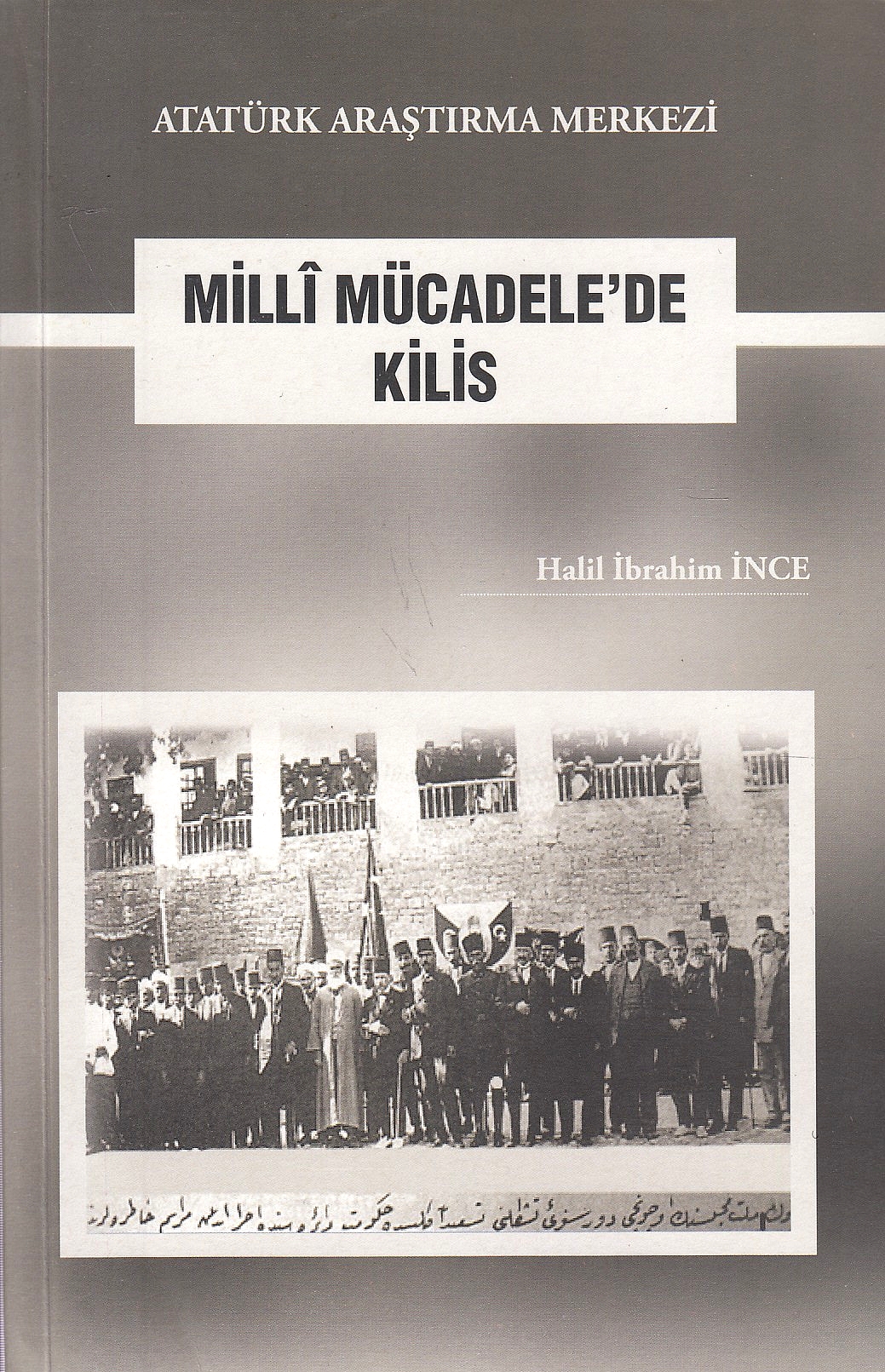 |
Millî Mücadele'de Kilis. | Ince, Halil Ibrahim | xvi, 240p. facs. | Atatürk Araştırma Merkezi | 2015 | 847円 | Armenians -- Kilis İli (Turkey) -- Revolution, 1918-1923 -- History illî Mücadele'de Kilis / Halil Ibrahim İnce |
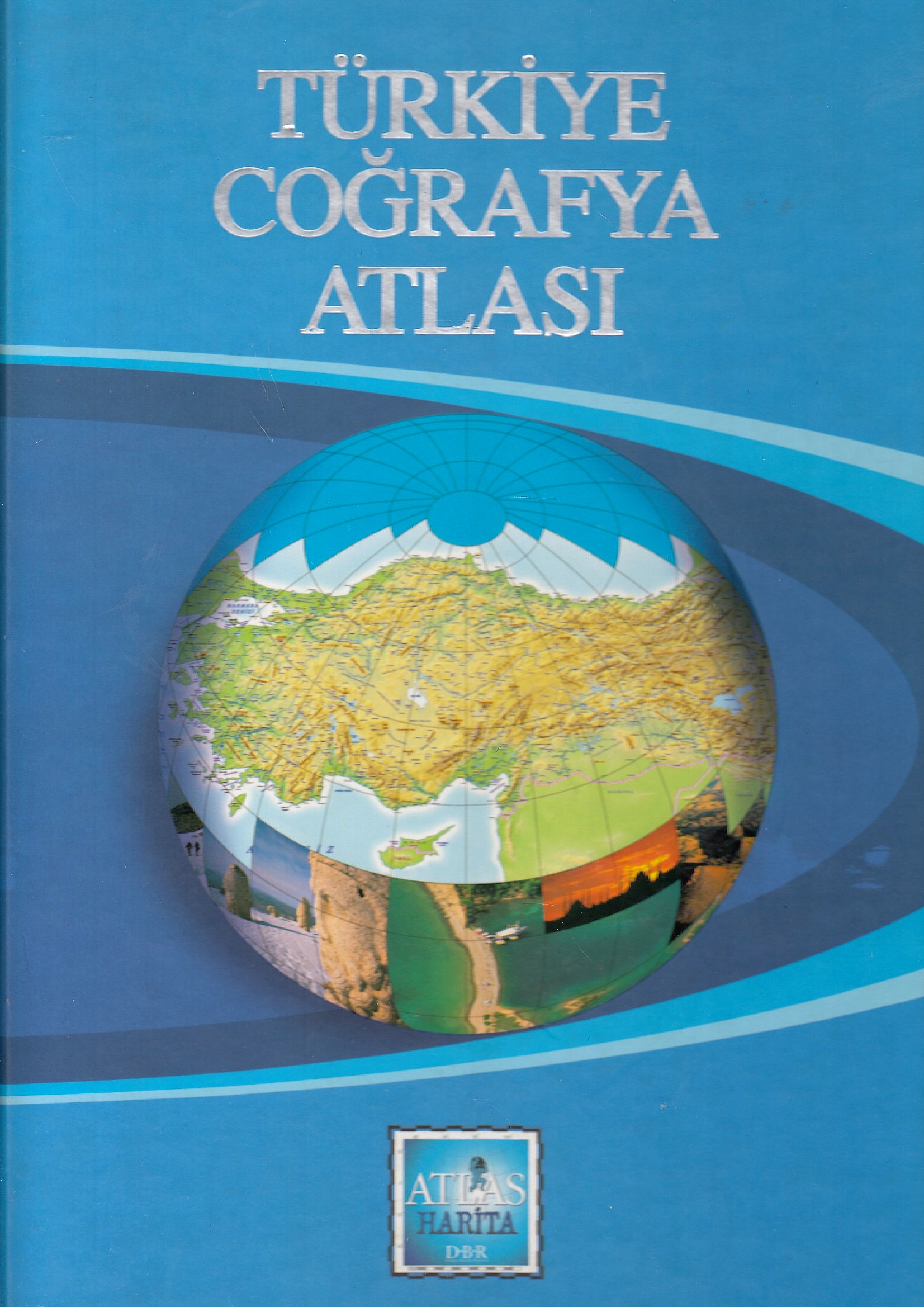 |
Türkiye Cografya Atlası. | Atlas Harita | 342p. maps | Atlas Harita | 2004 | 3,520円 | Turkey -- Maps Scale 1:400,000>/small> |
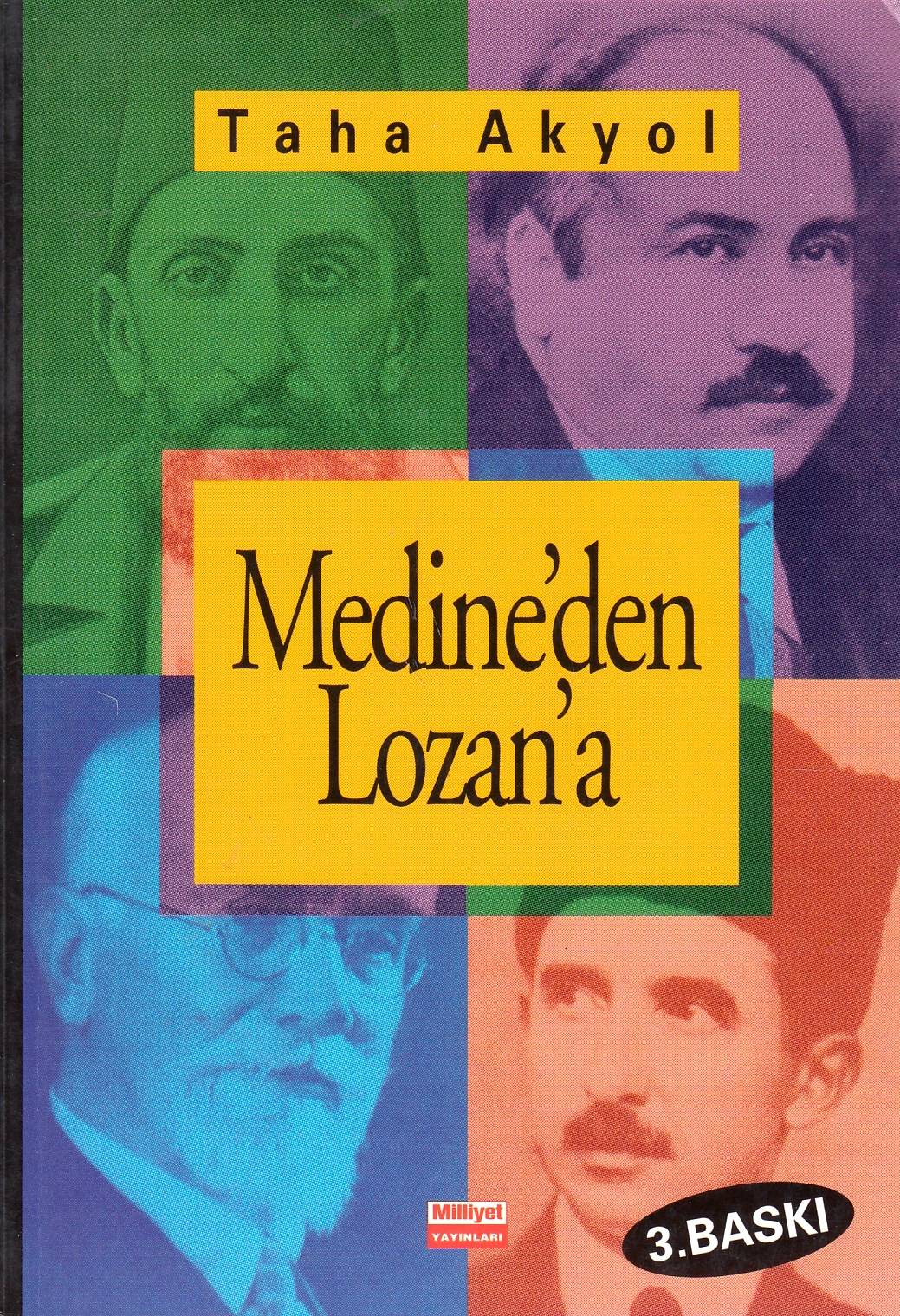 |
Medine'den Lozan'a : "çok-hukuklu sistem"in tarihteki deneyleri | Akyol, Taha | 230p. | Millet | 1996 | 605円 | Turkey -- History -- Religion and state -- Minorities |
 |
The Limits of Westernization: a cultural history of America in Turkey. | Gürel, Perin E. | xii,273p. pap. | Columbia U.P. | 2020(17) | 4,913円 | Turkey -- Civilization -- Western influences -- Diplomatic relations The book analyzes the complex local uses of "the West" to explain how the United States could become both the best and the worst in the Turkish political imagination. Gürel traces how ideas about westernization and America have influenced national history writing and policy making, as well as everyday affects and identities. |
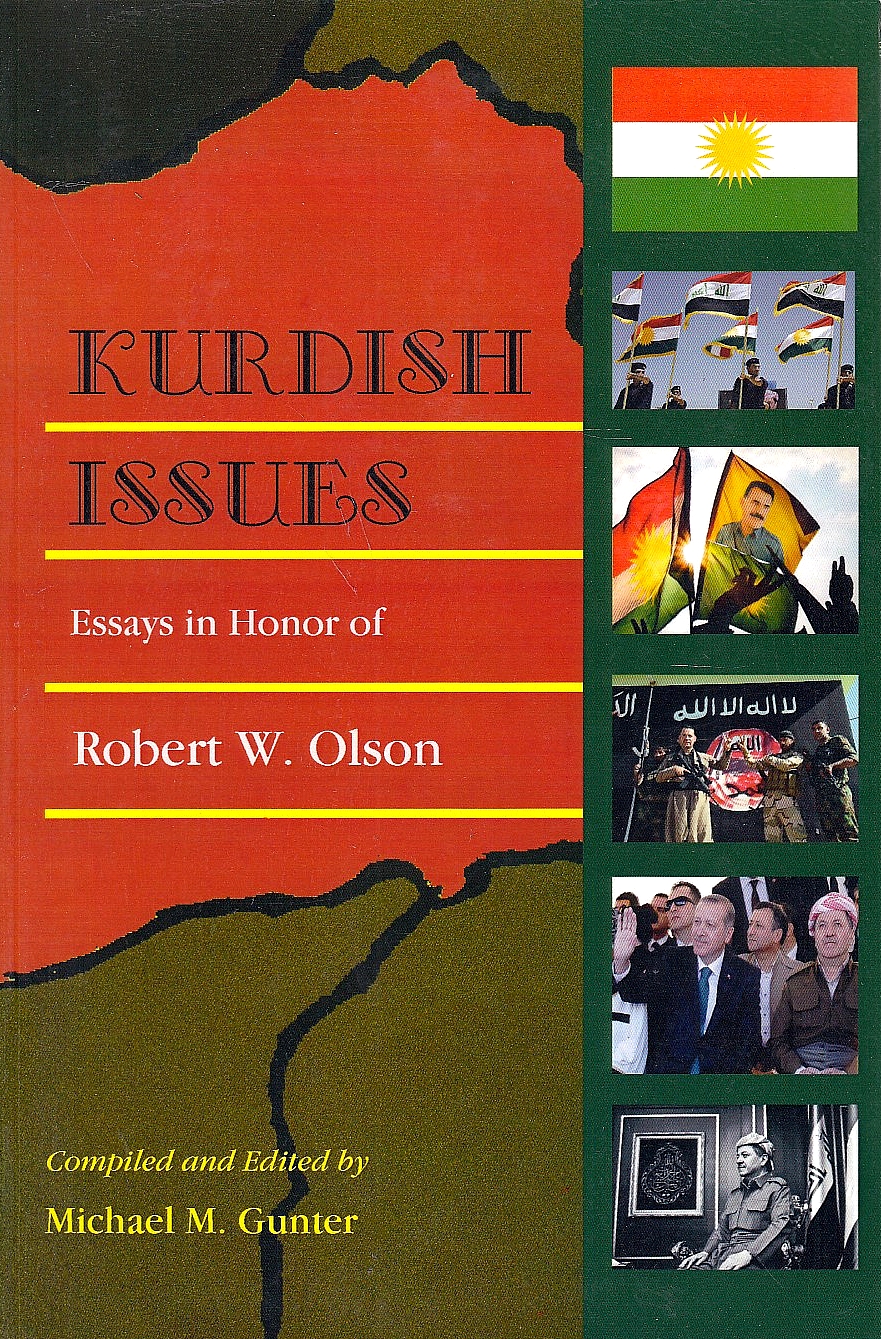 |
Kurdish Issues: essays in honor of Robert W. Olson | Gunter, Michael M. (ed.) | xii,310p. pap. | Mazda | 2016 | 7,959円 | Kurds -- Politics and government Subjects covered include politics, economics, ISIS, and number of issues that will be of interest to scholars, practitioners, and the intelligent lay public. Moreover, in delving into the nuances of such themes as ethno-nationalist origins, self-determination, US-KRG relations, democratic autonomy, ISIS, Kobane, the Kurdish Diaspora, Ataturk and Bourguiba, among others, these essays will definitely stand the test of time. |
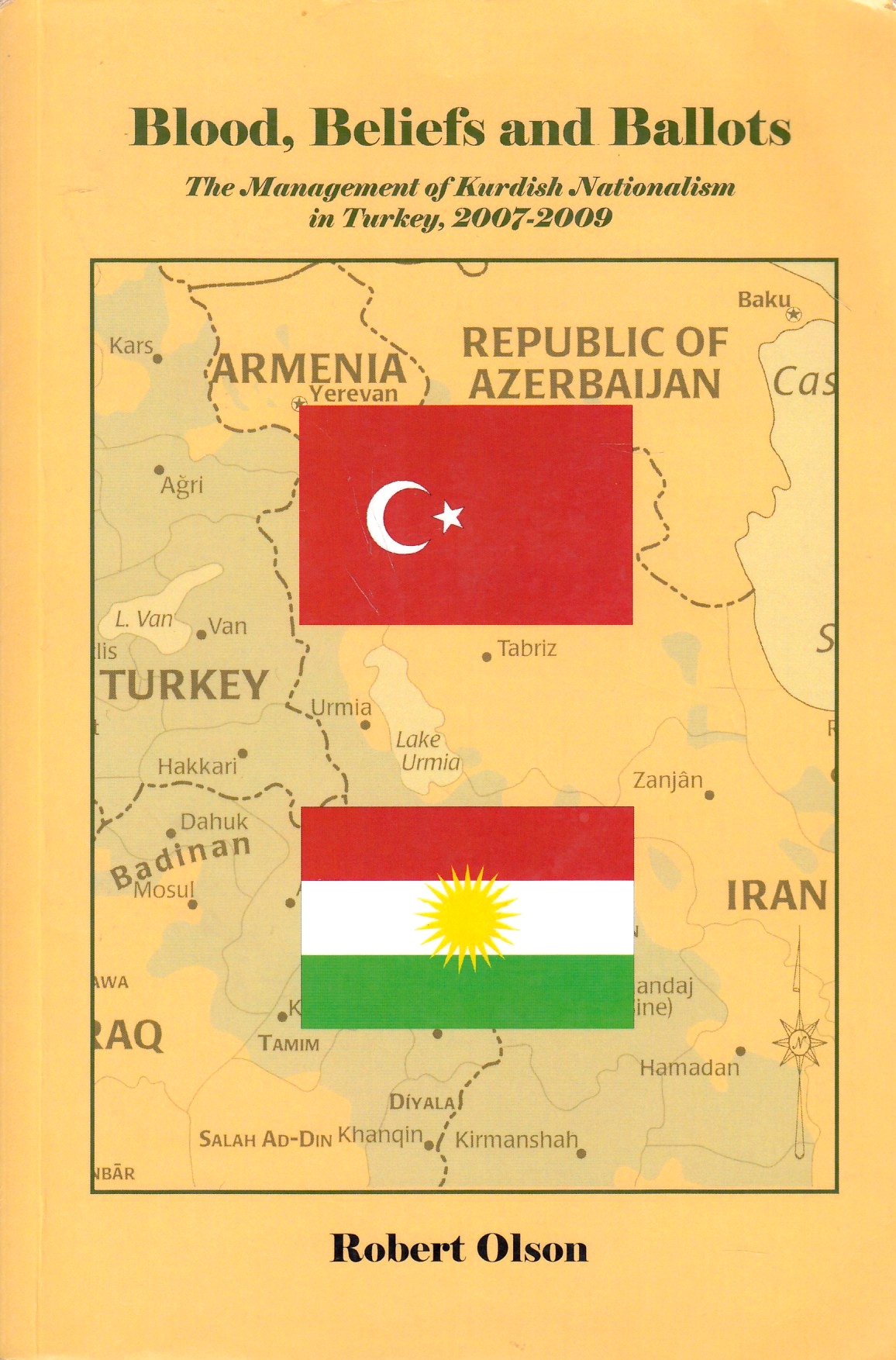 |
Blood, Beliefs and Ballots: the management of Kurdish nationalism in Turkey , 2007-2009. | Olson, Robert | xvii,250p. | Mazda | 2009 | 1,320円 | Kurds -- Politics and government The aftermath of the 22 July 2009 election : economic development versus language rights The closure cases against the AKP and DTP : Ergenekon and mother tongue education Islamists versus Kurdish nationalism Renewed intensified armed conflict Differences among Kurdish nationalist movements and increased campaign rhetoric The "war of words" takes center stage Into 2009 : Ergenekon atrocities and the election The Davos dèmarche and its aftermath The campaign heats up and spreads to the Kurdistan regional government Into the home stretch Week to go |
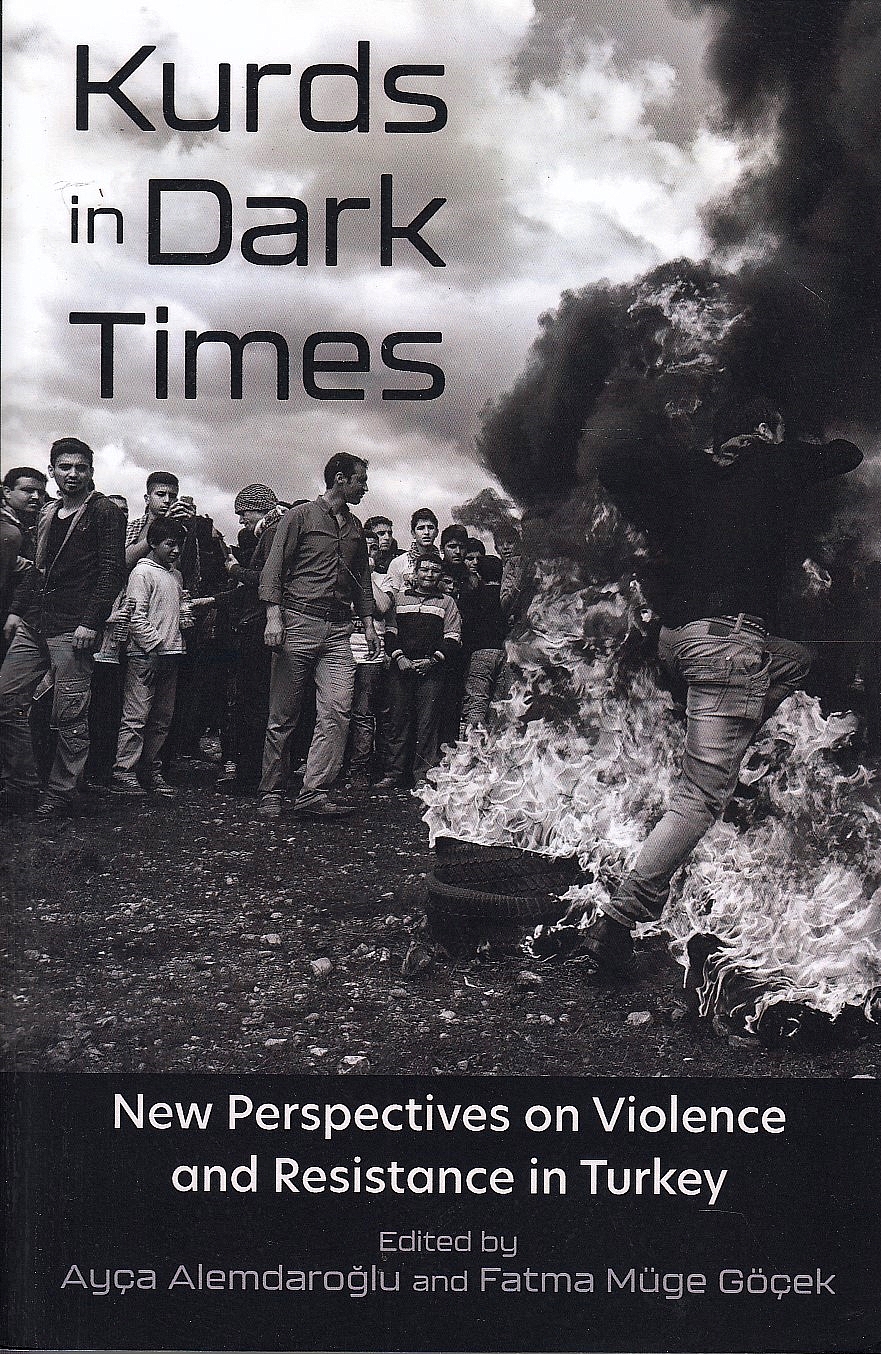 |
Kurds in Dark Times: new perspectives on violence and resistance in Turkey. | Alemdaroğlu, Ayça & Fatma Müge Göçek (ed.) | xiii,432p. pap. | Syracuse U.P. | 2023 | 7,788円 | Kurds -- Turkey Social conditions -- History With an estimated population of 35 million, Kurds are the largest ethnic group in the world without an independent state of their own. Kurds constitute about 20 percent of Turkey, the largest Kurdish population in the region. The history of the Kurds in Turkey is marked by state violence against them and decades of conflict between the Turkish military and Kurdish fighters. Although the continuous struggle of the Kurdish people is well known, and the political actors involved in the conflict have received much attention, an increasing wave of scholarship is being written from the vantage point of the Kurds themselves.Alemdaroglu and Göçek's volume develops a fresh approach by moving away from top-down Turkish nationalist macroanalyses to a microanalysis of how Kurds and Kurdistan as historical and ethnic categories were constructed from the bottom up. Contributors look beyond the politics of state actors to examine how Kurdish workers, women, youth, and political prisoners experience and resist marginalization, exclusion, and violence. Kurds in Dark Times opens an essential window into the lives of Kurds by generating meaningful insights into the formal and informal ways of negotiating their power and place in Turkey; and therefore, it provides crucial perspectives for any endeavor to create peace and reconciliation in the country. |
 |
Denial of Violence: Ottoman past, Turkish present, and collective violence against the Armenians, 1789-2009. | Göçek, Fatma Müge | xviii,656p. pap. | Oxford U.P. | 2016(14) | 3,300円 | Armenians -- Turkey -- Ethnic conflict -- History To capture the negotiation of meaning that leads to denial, Göçek undertook a qualitative analysis of 315 memoirs published in Turkey from 1789 to 2009 in addition to numerous secondary sources, journals, and newspapers. |
 |
Human Rights in Turkey. | Kabasakal Arat, Z.F. (ed.) | 393p. | U. of Pennsylvania Pr. | 2007 | 3,960円 | Human rights -- Turkey Turkey's mixed human rights record has been highly politicized in the debate surrounding the country's probable ascendance to membership in the European Union. Beginning with the foundation of a secular republic in 1923, and continuing with founding membership in the United Nations and participation in the European Convention on Human Rights and Fundamental Freedoms, Turkey made significant commitments to the advancement of human rights. However, its authoritarian tradition, periods of military rule, increasing social inequality, and economic crises have led to policies that undermine human rights. While legislative reforms and civil social activism since the 1980s have contributed greatly to the advancement of human rights, recent progress is threatened by the rise of nationalism, persistent gender inequality, and economic hardship. |
 |
Kuşçubaşı Eşref | Efe, Ahmet | xxxi,341p. | Bengi | 2007 | 968円 | Turkey -- History -- Intelligence officers -- Mehmed V, 1909-1918 Efsaneden Gerc̦eğe Kuşçubaşı Eşref / Ahmet Efe |
 |
A Fundamental Fear: Eurocentrism and the emergence of Islamism. | Sayyid, Bobby | 208p. | Zed Books | 1997 | 484円 | Eurocentrism -- Islam -- Turkey -- Kemalism -- 20th century A re-evaluation of political Islam which takes a neo-pragmatist approach. The book breaks with the Arab-centrism of Islamic studies and shows how Islamism can only be understood in the context of its relation with Eurocentrism. Prologue: The return of the repressed 1. Framin' fundamentalism 2. Thinking Islamism, (re- )thinking Islam 3. Kemalism and the politicization of Islam 4. Islam, modernity and the West 5. Islamism and the limits of the Invisible Empire Epilogue: Islamism/eurocentrism |
 |
The Making of Modern Turkey. | Ahmad, Feroz | xii,252p. | Routledge | 200081993) | 1,320円 | Turkey -- History -- 1909- Haw has modern, secular Turkey been created? 1. Introduction: Turkey, a military society? - 2. The Ottoman legacy - 3. From empire to nation 1908-1923 - 4. The new Turkey: politics (1923-1945) - 5. The new Turkey: society and economy (1923-1945) - 6. The multi-party conundrum 1945-1960 - 7. Military intervention, institutional restructuring, and ideological politics, 1960-1971 - 8. Military intervention, social democracy, and political terror, 1971-1980 - 9. Military intervention and political and economic restructuring, 1980-1991 - 10. Epilogue: Turkey today and tomorrow |
 |
Turkey beyond Nationalism: towards post-nationalist identities. | Kieser, Hans-Lukas (ed.) | xvii,242p | I.B. Tauris | 2006 | 2,662円 | Nationalism -- Turkley -- History b-- 20th century The book explores the historical impact of nationalist thinking and examines the shifts which have created a political culture that harks beyond nationalism. Turkism was central to the foundation of the Republic in 1923. |
 |
Relocating the Fault Lines: Turkey beyond the East-West divide. | Güzeldere, Güven & Sibel Irzik (ed.) | v,283p-666p. | Duke U.P. | 2003 | 1,452円 | Turkey -- Civilization -- Politics and government Islamic but secular, ambivalent about its Ottoman past, and anxious for membership in the European Union, Turkey seems to be easily cast as a bridge between the East and the West. This book includes essays that examine the preoccupation of modern Turkish literature and popular culture with notions of imitation and authenticity. |
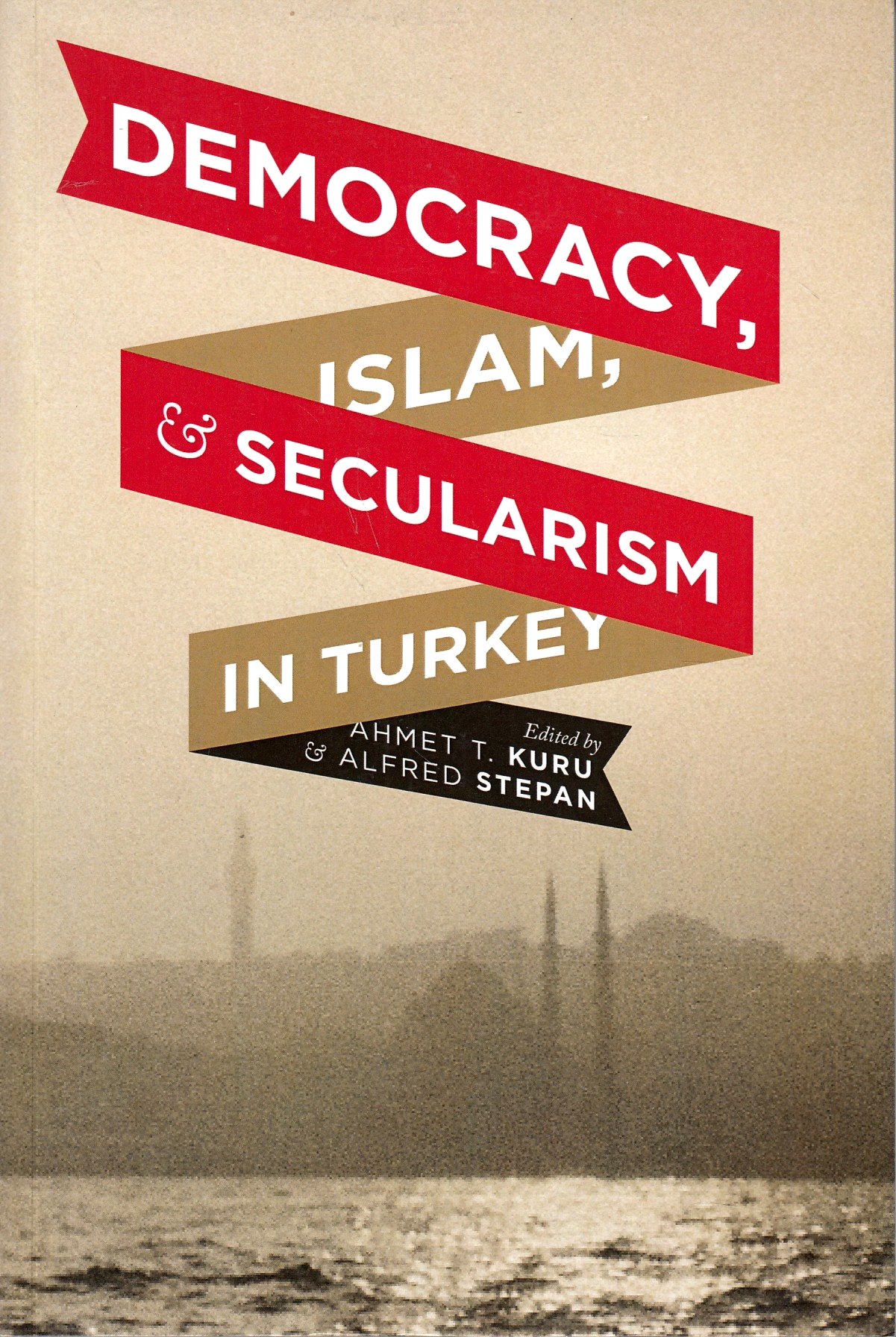 |
Democracy, Islam, and Secularism in Turkey. | Kuru, Ahmet T. & Alfred Stepan (ed.) | vi,216p. pap. | Columbia U.p. | 2012 | 2,178円 | Turkey -- Democracy -- Cultural pluralism -- Islam and state While Turkey has grown as a world power, promoting the image of a progressive and stable nation, several policy choices have strained its relationship with the East and the West. Providing social, historical, and religious context for Turkey's singular behavior, the essays in the book examine issues relevant to Turkish debates and global concerns, from the state's position on religion to its involvement in the European Union. |
 |
Turkey and Central and Eastern European Countries in Trasition: towards membership of the EU. | Togan, S. & V.N. Balasubramanyam (ed.) | x,352p. | Macmillan | 2000 | 14,226円 | Turkey -- Economic policy -- European Union -- Europe, Eastern -- Congresses |
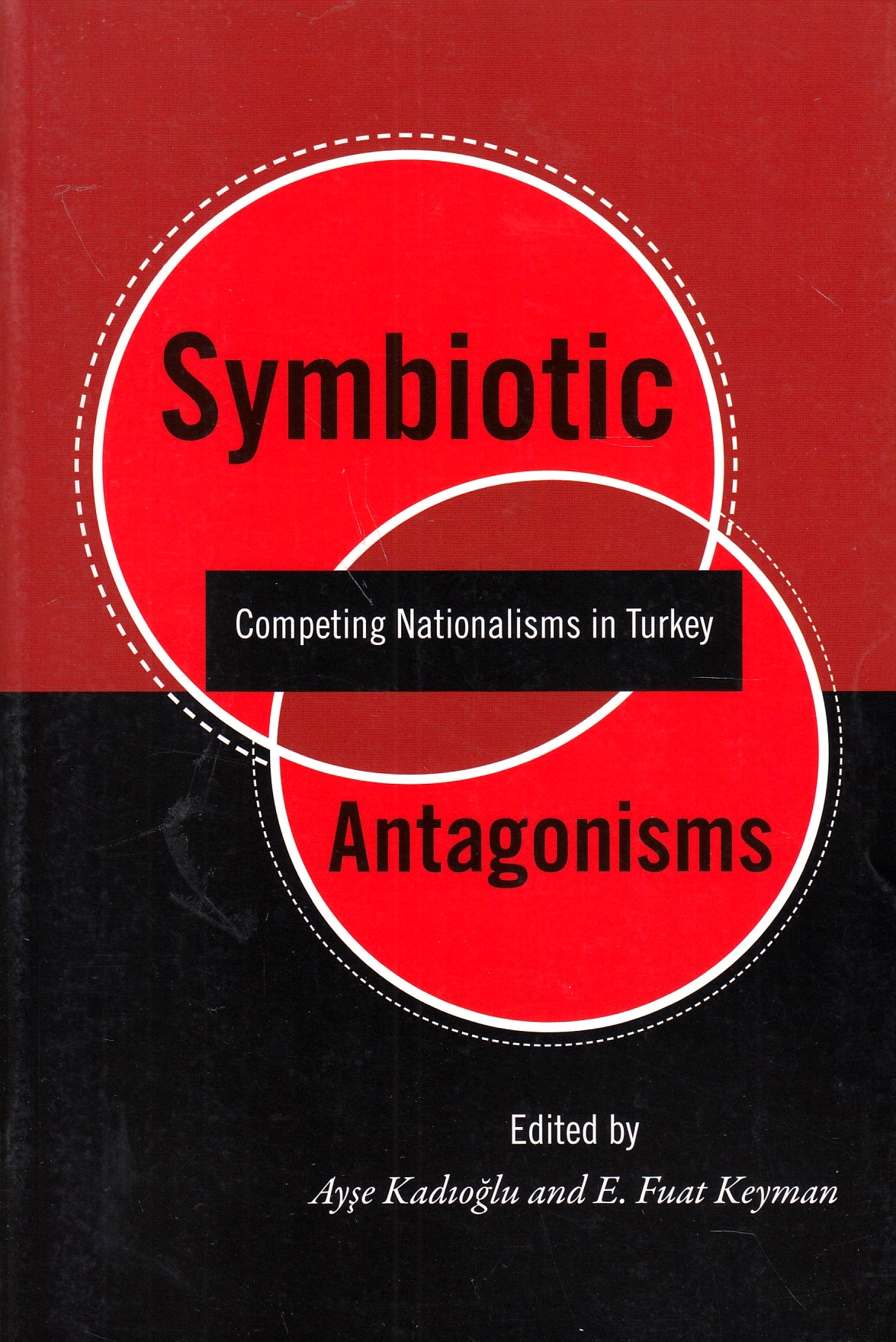 |
Symbiotic Antagonisms: competing nationalisms in Turkey. | Kadıoğlu, Ayşe & Emin Fuat Keyman (ed.) | xxi,376p | U. of Utah Pr. | 2011 | 4,959円 | Nationalism -- Turkey -- Politics and government -- 1980- The book looks at the state-centric mode of modernization in Turkey that has constituted the very foundation on which nationalism has acquired its ideological status and transformative power. The book documents a symposium held at Sabanc.i University, presenting nationalism as a multidimensional, multiactor-based phenomenon that functions as an ideology, a discourse, and a political strategy. Turkish, Kurdish, and Islamic nationalisms are systematically compared in this timely and significant work. |
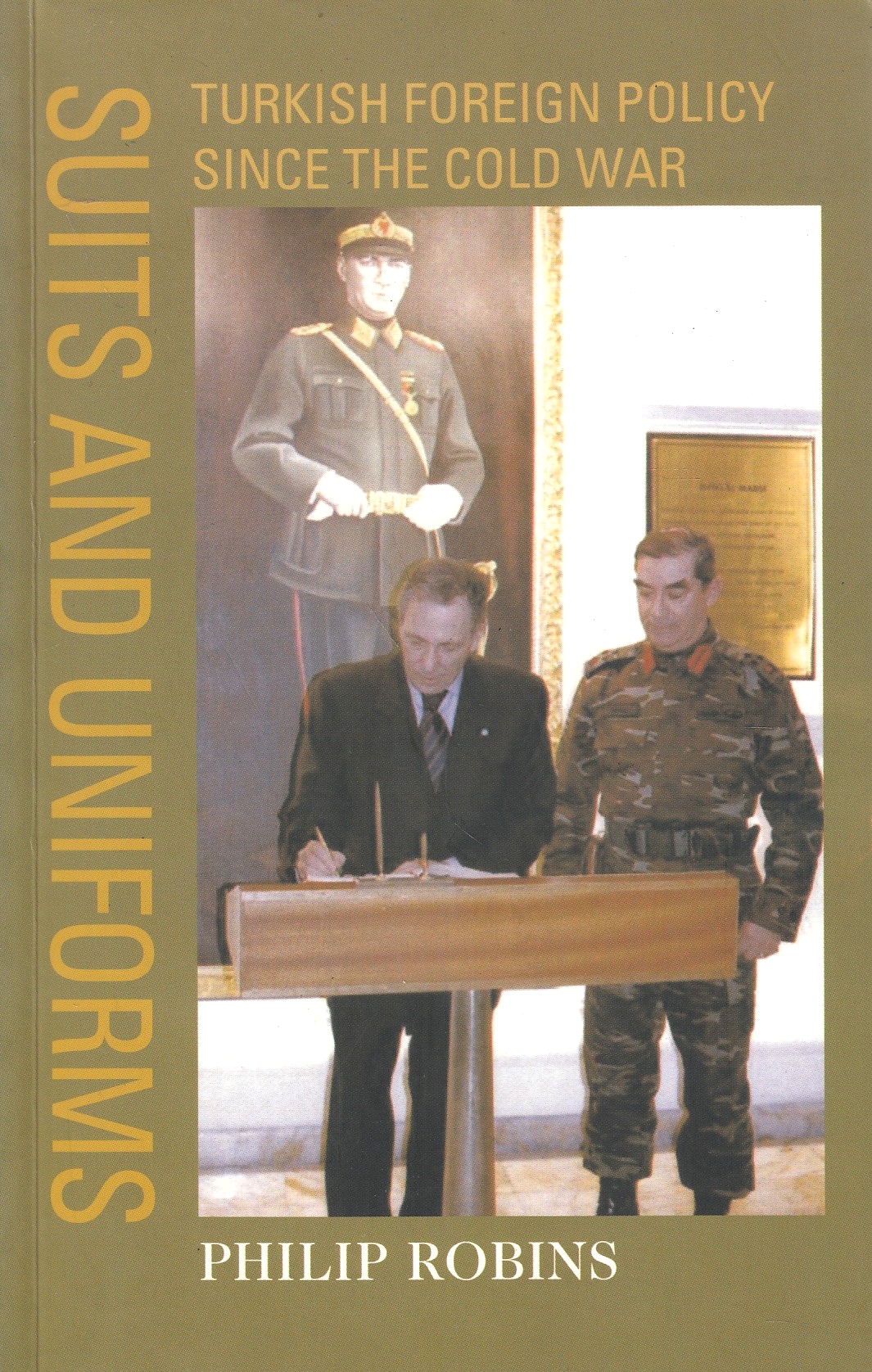 |
Suits and Uniforms: Turkish foreign policy since the Cold War. | Robins, Philip | xiii,404p. maps | Hurst | 2003 | 2,420円 | Turkey -- Foreign relations -- 1960-1980 Pt. I. Turkish Foreign Policy in Context -- 1. Turkey and the Changing International System -- 2. Players and Processes -- Pt. II. Domestic Motivators of Turkish Foreign Policy -- 3. History and Foreign Policy -- 4. Ideology as Foreign Policy -- 5. Security and Foreign Policy -- 6. Economics as Foreign Policy -- Pt. III. Turkish Foreign Policy in Action -- 7. Turkey and Israel: Embattled Allies in the 'New Middle East' -- 8. Self-interest before Sentiment: Turkey's Relations with the Turkic Republics -- 9. Turkey and Northern Iraq: Learning to Live with Contradictions -- 10. In Pursuit of Peace: Turkey and the Bosnian Crisis |
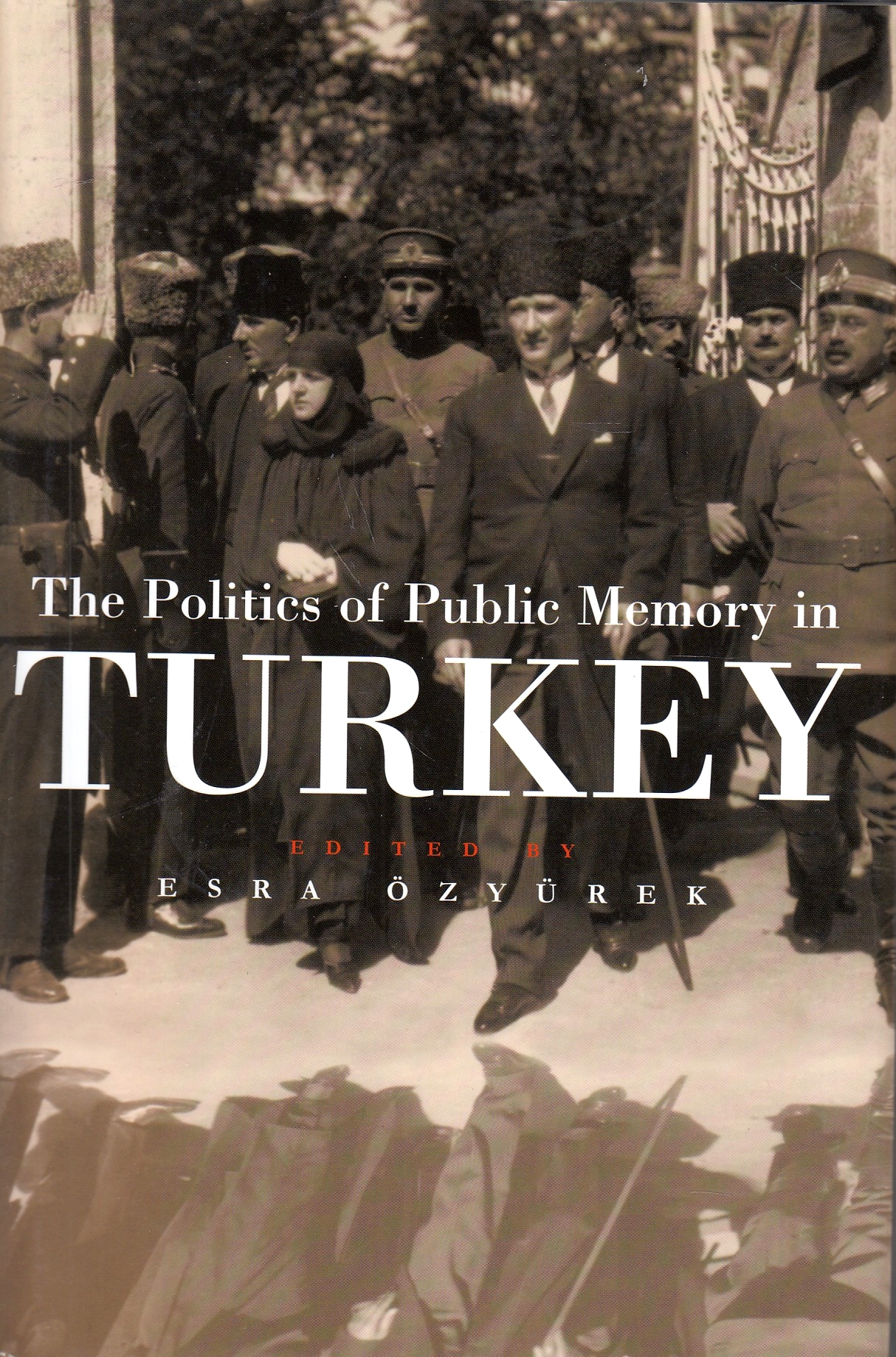 |
The Politics of Public Memory in Turkey. | Özyürek, Esra (ed.) | x,225p. | Syracuse U.P. | 2007 | 3,146円 | Collective memory -- Turkey -- History Turkish society is frequently accused of having amnesia. It has been said that there is no social memory in Turkey before Mustafa Kemal Ataturk founded modern Turkey after World War I. Indeed, in 1923, the newly founded Turkish Republic committed to a modernist future by erasing the memory of its Ottoman past. Now, almost eighty years after the establishment of the Republic, the grandchildren of the founders have a different relationship with history. New generations make every effort to remember, record, and reconcile earlier periods. |
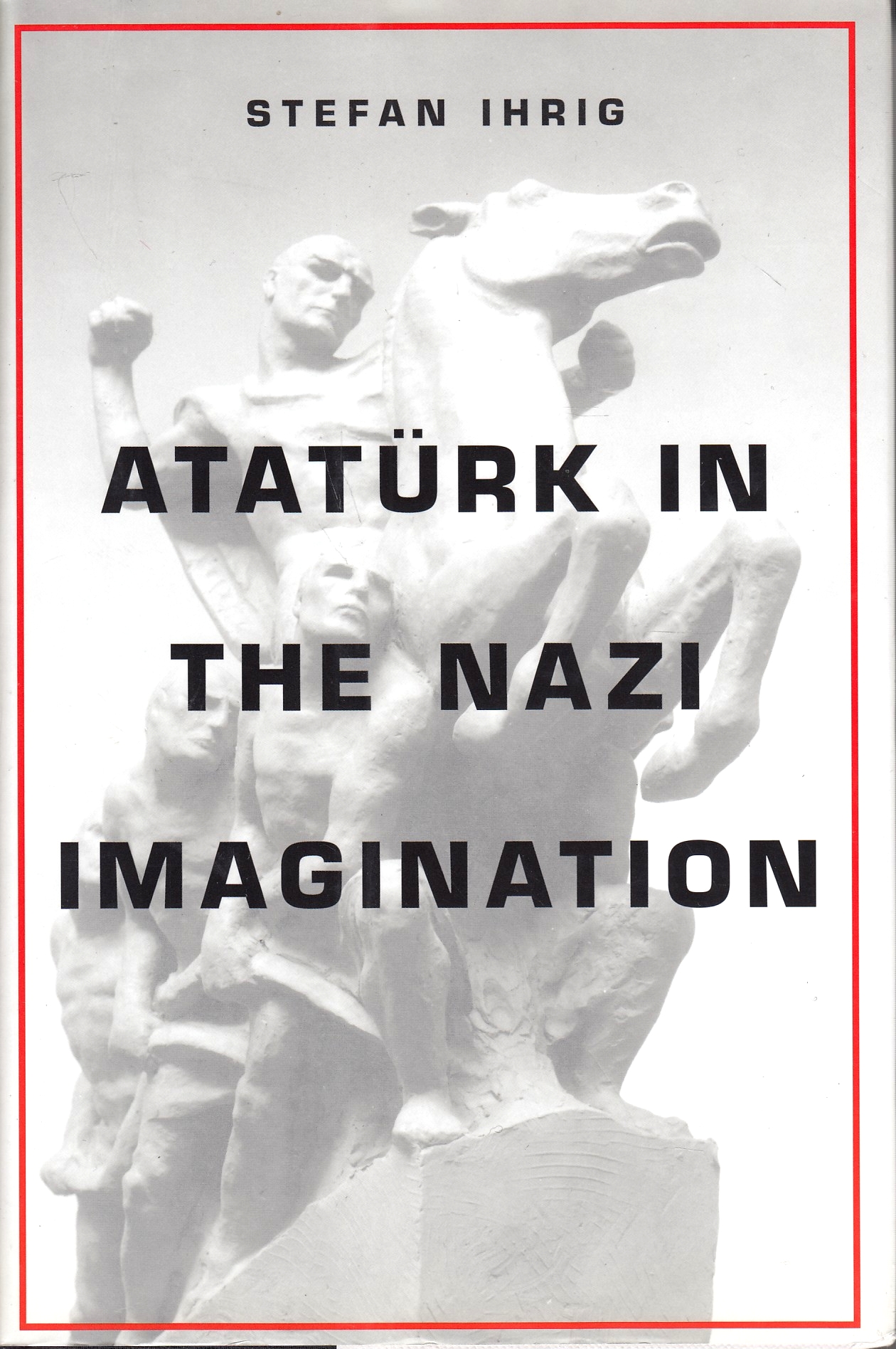 |
Atatürk in thre Nazi Imagination. | Ihrig, Strefan | 311p. illus. maps | Harvard U.P. | 2014 | 4,235円 | Germany -- Relations -- Turkey -- Atatürk, Kemal, 1881-1938 Early in his career, Adolf Hitler took inspiration from Benito Mussolini, his senior colleague in fascism--this fact is widely known. But an equally important role model for Hitler and the Nazis has been almost entirely neglected: Mustafa Kemal Atatürk, the founder of modern Turkey. Stefan Ihrig's compelling presentation of this untold story promises to rewrite our understanding of the roots of Nazi ideology and strategy. Hitler was deeply interested in Turkish affairs after 1919. He not only admired but also sought to imitate Atatürk's radical construction of a new nation from the ashes of defeat in World War I. Hitler and the Nazis watched closely as Atatürk defied the Western powers to seize government, and they modeled the Munich Putsch to a large degree on Atatürk's rebellion in Ankara. Hitler later remarked that in the political aftermath of the Great War, Atatürk was his master, he and Mussolini his students. This was no fading fascination. As the Nazis struggled through the 1920s, Atatürk remained Hitler's "star in the darkness," his inspiration for remaking Germany along nationalist, secular, totalitarian, and ethnically exclusive lines. Nor did it escape Hitler's notice how ruthlessly Turkish governments had dealt with Armenian and Greek minorities, whom influential Nazis directly compared with German Jews. The New Turkey, or at least those aspects of it that the Nazis chose to see, became a model for Hitler's plans and dreams in the years leading up to the invasion of Poland |