

*イスラムの歴史
Islamic History
| 書名 | 著者名 | 頁数 | 出版元 | 刊行年 | 価格 | 解説 | |
|---|---|---|---|---|---|---|---|
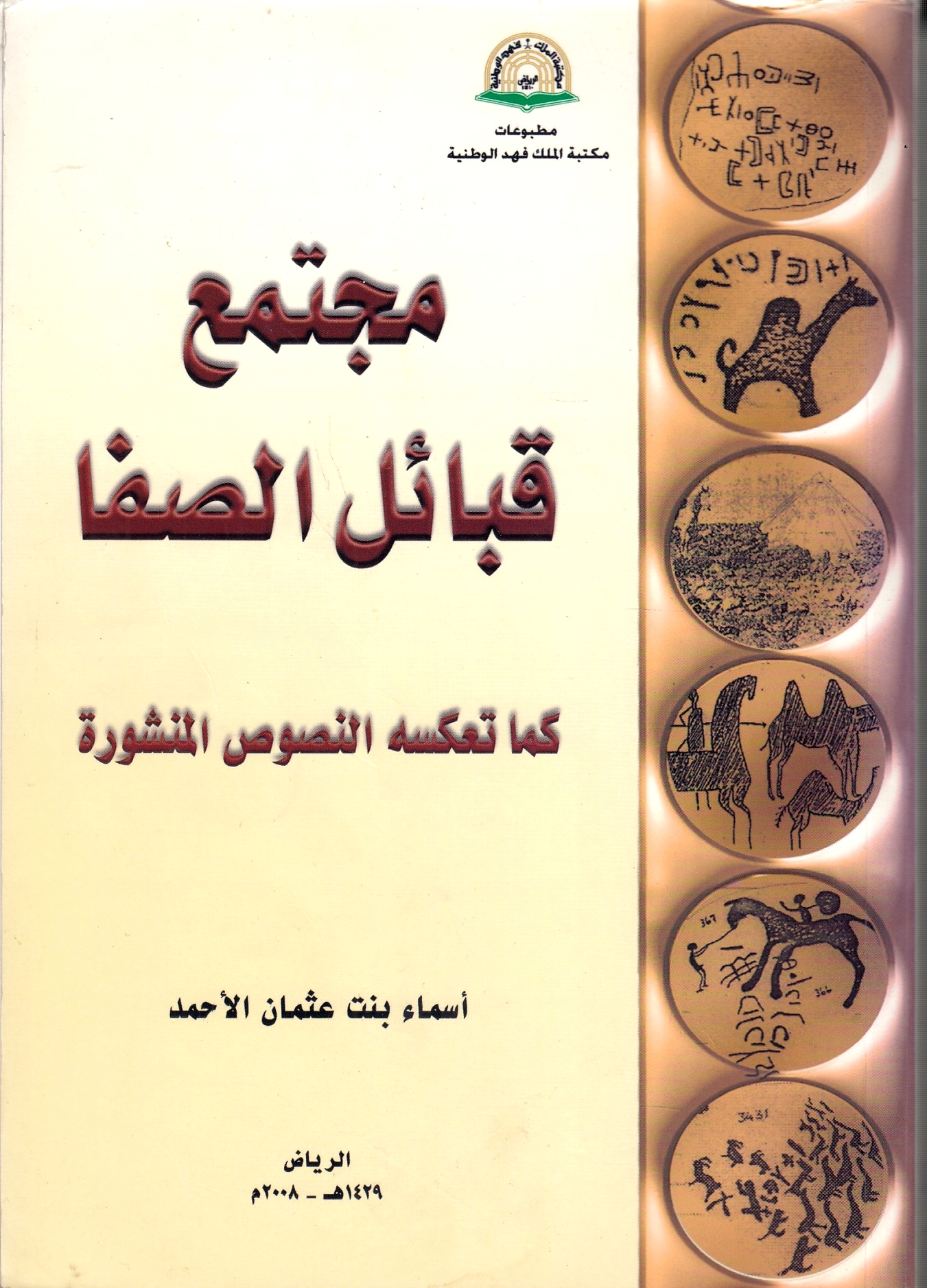 |
Mujtama' Qaba'il al-Safa: kama ta'kus-hu al-nusus al-manshurah | al-Ahmad, Asma' bint 'Uthman | 521p. illus. | Maktabat al-Malik Fahd al-Wataniyah | 2008 | 0 | Arabian peninsula -- Tribes -- Social conditions -- Inscriptions, Safaitic -- Sources مجتمع قبائل الصفا : كما تعكسه النصوص المنشورة أسماء بنت عثمان الأحمد Mujtamaʻ qabāʼil al-Ṣafā : kamā taʻkusuhu al-nuṣūṣ al-manshūrah Asmāʼ bint ʻUthmān al-Aḥmad |
 |
al-Qaba'il al-Thamudiyah wa al-Safawiyah: dirasah muqaranah. | al-Rusan, Mahmud Muhd. | 516p. ill. maps | 'Imadat Shu'un al-Maktabat, Jami'at al-Malik Sa'ud | 1987 | 0 | Arabic tribes -- Genealogy -- Arabian peninsular -- History -- Thamud people -- Safaitic inscription القبائل الثمودية و الصفوية : دراسة مقارنة محمود محمد الروسان al-Qabāʼil al-Thamūdīyah wa-al-Ṣafawīyah ; dirāsah muqāranah Maḥmūd Muḥammad al-Rūsān |
 |
Al-Riwayah al-Tarikhiyah fi Bilad al-Sham fi al-'asr al-Umawi. | 'Atwan, Husayn | 277p. | Dar al-Jil | 1986 | 0 | Historiography -- Islamic empire -- Narrative literature -- History and criticism -- Syria -- 622-750 الرواية التاريخية في بلاد الشام في العصر الاموي حسين عطوان al-Riwāyah al-tārīkhīyah fī Bilād al-Shām fī al-ʻaṣr al-Umawī Ḥusayn ʻAṭwān |
 |
Arabicus Felix: Luminosus Britannicus: | Jones, Alan (ed.) | vi,239p. | Ithaca Press | 1991 | 0 | Arabic literature -- Arabic philology -- Islamic empire -- History Articles on the Yemen, medieval Arabic literature, modern Arabic literature and Semitica A Latin Lament on the Prevalence of Arabic in Ninth-Century Islamic Cordoba/ D.J. Wasserstein The Tribes of Hashid wa-Bakil as Historical and Geographical Entities/ Paul Dresch The Origins of the Yemenite Hijra/ W.F. Madelung Tihamah Notes/ R.B. Serjeant Final Tadmin in the poems of Abu Nuwas/ Alan Jones Labid, al-Nabighah, al-Akhtal and the Oryx (pp. 74- 89)/ Philip F. Kennedy The Elegy on the Death of Abu Shujca Fatik by al-Mutannab/ J. Derek Latham Al-Tanukhi's al-Faraj bacd al-shidda as a literary source/ Julia Ashtiany Ghars al-NiCma b. Hilal al-Sabi's Kitab al-Hafawdt al-Nadira and Buyid History/ C.E. Bosworth The Rasa'il of Badi' al-Zaman al-Hamadhani./ D.S. Richards The particle hatta, God's knowledge of what we shall do, and the caliph 'Umar b. 'Abdal'aziz./ Fritz Zimmermann Mahmud Diyab's Contribution to Modern Egyptian Drama/ M.M. Badawi Romantic Poetry and the Tradition: The Case of Ibrahim Nagi/ Robin Ostle An Arabic Nobodaddy: The Gebelawi of Naguib Mahfouz/ P.J. Stewart Kullu nafsin bima kasabat rahina: The use of rhn in Aramaic and Arabic/ Jonas C. Greenfield Semitic Marginalia/ Edward Ullendorf |
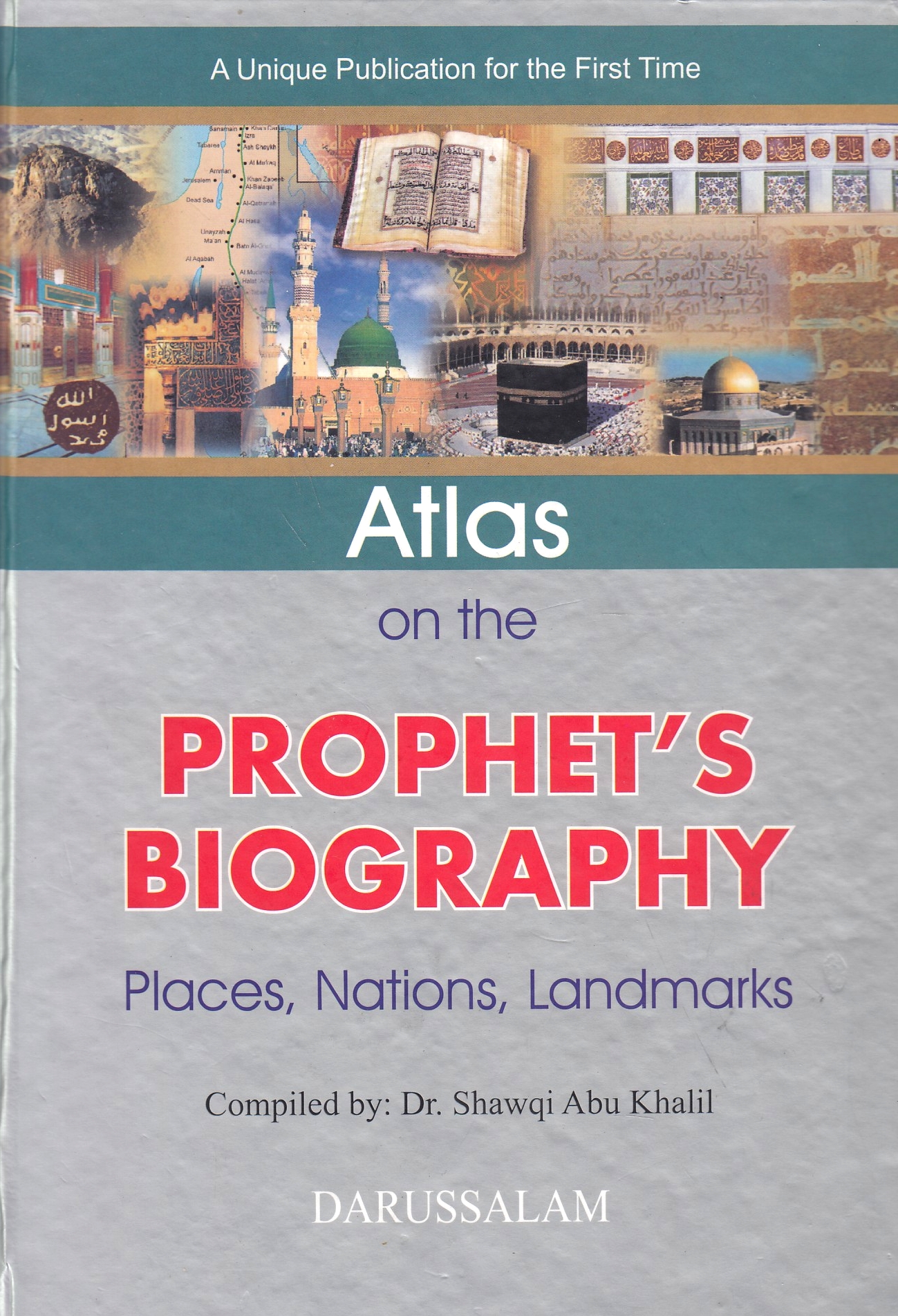 |
Atlas on the Prophet's Biography: places, nations, landmarks. | Abu Khalil, Shawqi | 292p. maps, photos. | Darussalam | 2003 | 0 | Atlas -- Islam -- Prophet -- History Reviews the biography of the Prophet (pbuh) and tracks the places honored by his visits, the battles he fought, and the expeditions and envoys he directed. This atlas gives the Seerah in a brief form, and includes maps, diagrams and photographs to show the places and directions of various events that took place in the life of Prophet degree (S) |
 |
A Gateway to Hell, A Gateway to Heaven: the North African response to the Arab conquest. | Savage, Elizabeth | ix,206p. ills. | Darwin Press | 1997 | 0 | North Africa -- History -- Ibadites -- 647-1517 Introduction I. "Religion and Sovereignty Are Twins" Evolution of theIbadi Imamate II. Survival through Alliance: the Establishment of the Ibadiya III. From Imam to King IV. Ibadi Slavers: an Eight-Century Transformation V. christian 'Ibadis: Equality of the Divine Truths VI. Nafusa Sword, Mazata Wealth VII. Beyond Tahart Conclusion |
 |
Graeco-Roman Archives from the Fayum. | Vandorpe, K., W. Clarysse & H. Verreth | 486p. illus. maps | Peeters | 2015 | 0 | Al Fayyūm -- Ancient Egypt (region) -- Archives -- History The Fayum is a large depression in the western desert of Egypt, receiving its water directly from the Nile. In the early Ptolemaic period the agricultural area expanded a great deal, new villages were founded and many Greeks settled here. When villages on the outskirts were abandoned about AD 300-400, houses and cemeteries remained intact for centuries. Here were found thousands of papyri, ostraca (potsherds) and hundreds of mummy portraits, which have made the area famous among classicists and art historians alike. Most papyri and ostraca are now scattered over collections all over the world. The sixth volume of Collectanea Hellenistica presents 145 reconstructed archives originating from this region, including private, professional, official and temple archives both in Greek and in native Demotic. |
 |
Diblumasiyah Muhammad: | Qasim, 'Awn al-Sharif | 340p. | Jami'at al-Khatum, Qism al-Ta'lif wa al-Nashr | (1972) | 0 | Muḥammad, Prophet, -632 -- Arabian peninsula -- Diplomatic relations -- Byzantine empire -- History محمد دبلوماسية عون الشريف قاسم Diblūmāsīyat Muḥammad, dirāsah fī nashʼat al-dawlah al-Islāmīyah fī ḍawʼ rasāʼil al-Nabī wa-muʻāhadātih ʻAwn al-Sharīf Qāsim |
 |
Contemporary Islam and the Challenge of History. | Haddad, Yvonne Yazbeck | xvii,257p. pap. 古書 | SUNY | 1982 | 0 | Islam -- 20th century -- History -- Religious aspects I. The Significance of History : Social, Political, Economic, Military, and Intellectual Considerations : The Challenge of Ascendancy and Decline. The Nationalist and Socialist Challenge. The Zionist Challenge. The Case of a Qur'anic Exegete. The Case of the Feminist Movement. Towards an Islamic Response to the Challenge of History. II. The Significance of History : The Perspective of Neo Normative Arab Muslims : The Apologetic Response. The Traditional Response. The Intellectualist Response. The Qur'anic Foundation. The Use of Western Sources. Towards an Islamic Understanding of History. Appendices : History Is Humanity's Way to God by Mahmud al-Sharqawi The Philosophy of Islamic History by Anwar al-Jundi History as the Interpretation of Events by Sayyid Qutb Basic Principles of Islamic History by 'Abd al-Rahman al-Hajji Islam Looks at History Muhd. Kamal IObrahim Ja'far Factors That Influence History by Rashid al-Barrawi The Qur'anic Interpretation of History by 'Imad al-Din Khalil. |
 |
Min al-Tahkim ila ... al-Taqad^i: dirasah fi nash'at mu'assasat al-qada' al-islamiyah. | Al-Bakkay, Latifah | 231p. | Dar al-Tali'ah | 2015 | 0 | Judges -- Islamic law -- Islamic empire -- History من التحكيم الى التقاضي : دراسة في نشأة مؤسسة القضاء الإسلامية لطيفة البكاّي Min al-taḥkīm ilá al-taqāḍī : dirāsah fī nashʼat muʼassasat al-qaḍāʼ al-Islāmīyah Laṭīfah al-Bakkāy |
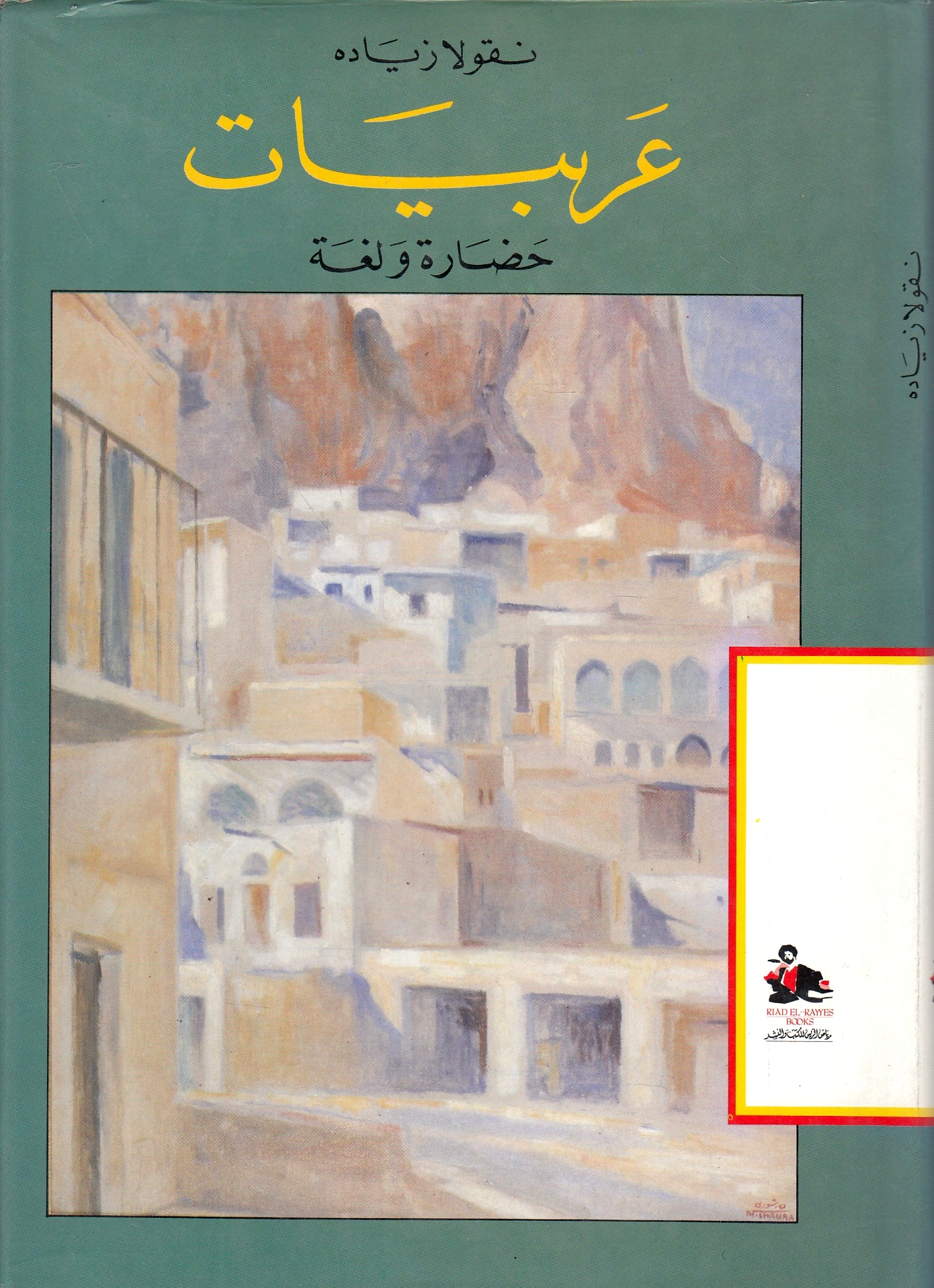 |
'Arabiyat: hadarah wa lughah. | Ziyadah, Nicolas | 264p. maps | Riad El-Rayyes | 1994 | 0 | Arabic language -- Islamic empire -- History عربيات : حضارة ولغة نقولا زياده ʻArabīyāt : ḥaḍārah wa-lughah Niqūlā Ziyādah |
 |
Mohammed and Charlemagne. | Pirenne, Henri | 293p. | Dover Publications | 2001(1954) | 0 | Europe -- Islamic empire -- History -- 476-1492 |
 |
Islamic History: a framework for inquiry. | Humphreys, R. Stephen | xiv,401p. pap. 古書 | Princeton U.P, | 1991 | 0 | Islamic history -- Bibliographical notes Combining a bibliographic study with an inquiry into method, it opens with a survey of the principal reference tools available to historians of Islam and a systematic review of the sources they will confront. Problems of method are then examined in a series of chapters, each exploring a broad topic in the social and political history of the Middle East and North Africa between A.D. 600 and 1500. The topics selected represent a cross-section of Islamic historical studies, and range from the struggles for power within the early Islamic community to the life of the peasantry. |
 |
Power, Marginality, and the Body in Medieval Islam. | Malti-Douglas, Fedwa | xxii,290p pap. | Ashgate | 2018(01) | 0 | Islamic Empire -- Intellectual life -- Arabic prose literature -- History and criticism -- Marginality, Social -- Religious aspects The investigation of power, marginality, sex and the body, and "taboo" subjects in this book provide a road into medieval Arabo-Islamic mentalities and a way of coming to grips with the textual strategies society used for grappling with them. |
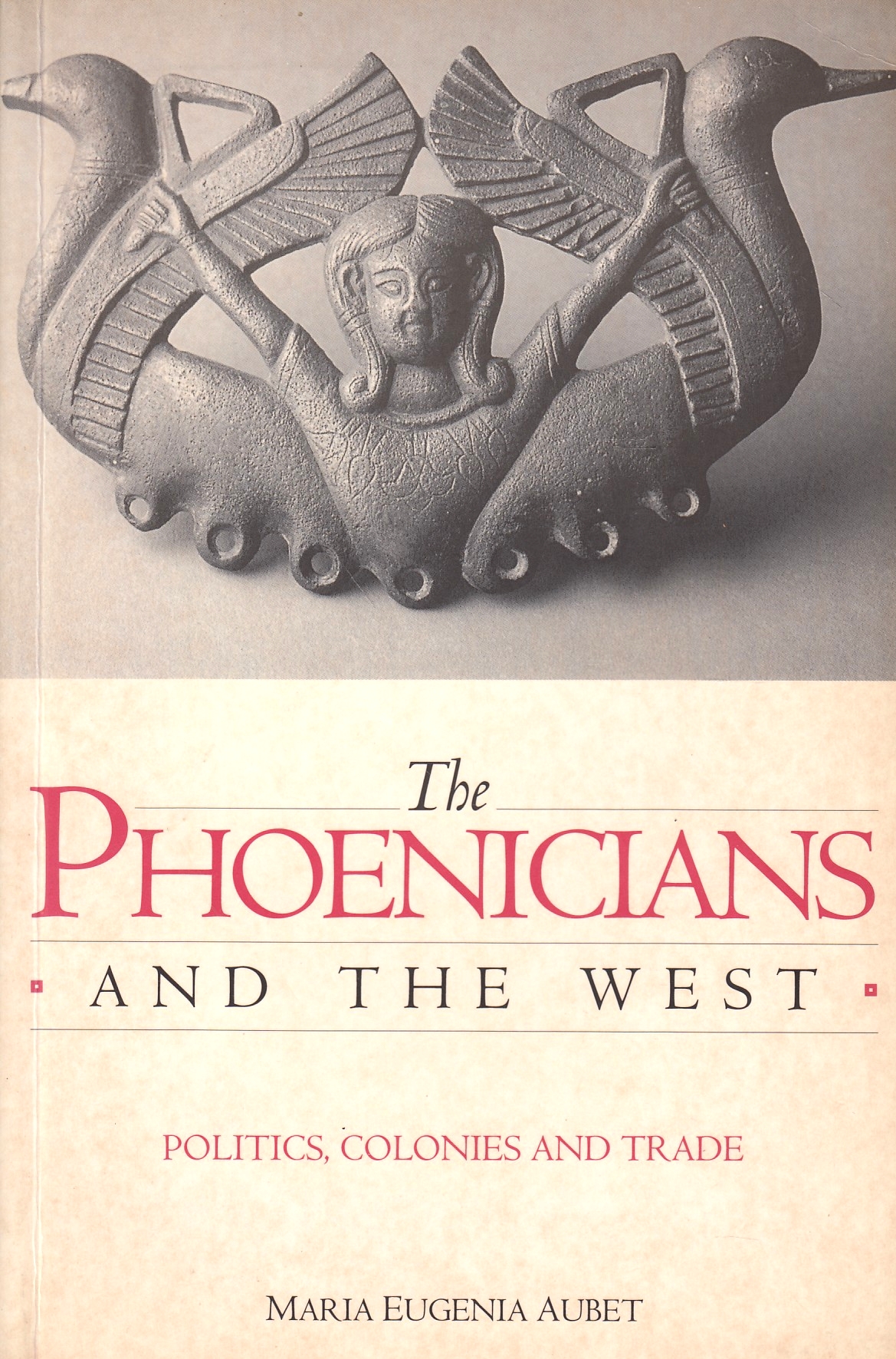 |
The Phoenicians and the West: politics, colonies and trade. | Aubet, Maria Eugenia | xviii,348p. illus. maps | Cambridge U.P. | 1996(87) | 0 | Phoenicians -- Western Mediterranean -- History -- Tyre Between the eighth and sixth centuries BC, the Phoenicians established the first trading system in the Mediterranean basin, from their homeland, in what is now Lebanon, to colonies in Cyprus, Tunisia, Sicily, Sardinia and southern Spain. The Phoenician state was able to maintain its independence, despite the territorial expansion of the Assyrians, in return for tribute provided by its western colonies. tr. from Spanish |
 |
The Organization of Power; aspects of bureaucracy in the ancient Near East | Gibson, McGuire & Robert D. Biggs. (ed.) | xii,192p. | The Oriental Institute | 1987 | 0 | Ancient Orient -- Bureaucracy -- Middle East -- Ur (Iraq) -- History |
 |
Un Emir Syrien au Premier Siecle des Croisades (1095-1188): Kitab al-I'tibar (texte). | Ousama ibn Mounkidh | xii,183p. | Inst. for the History of Arabic-Islamic Science | 1994(1886) | 0 | Syria -- History -- Crusades -- Usāmah ibn Munqidh, 1095-1188 -- Personal narratives كتاب الاعتبار اسامة بن منقذ، Kitāb al-Iʻtibār Usāmah ibn Munqidh |
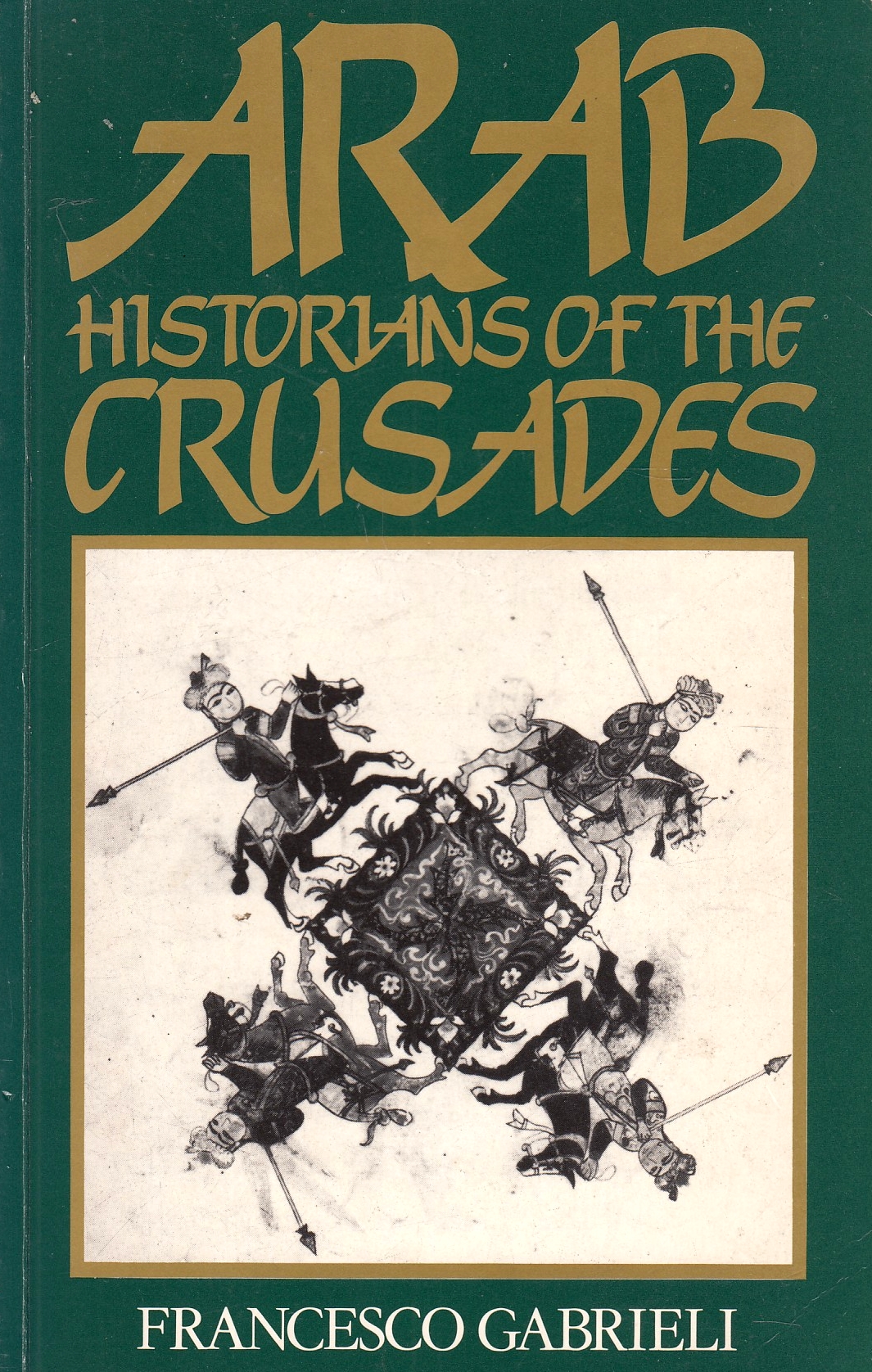 |
Arab Historians of the Crusades. | Gabrieli, Francesco | xxxvi,362p pap. | U. of California Pr. | 1984 (69) | 0 | Arab -- Croisades -- History -- Sources The recapture of Jerusalem, the siege of Acre, the fall of Tripoli, the effect in Baghdad of events in Syria; these and other happenings were faithfully recorded by Arab historians during the two centuries of the Crusades. For the first time contemporary accounts of the fighting between Muslim and Christian have been translated into English, and the Western reader can learn ʻthe other side' of the Holy War. Seventeen authors are represented in the extracts in this work, which have been drawn from various types of historical writings. Introduction / by Francesco Gabrieli Translator's note Bibliographic note The authors and works Part One: From Godfrey to Saladin Part Two: Saladin and the Third Crusade Part Three: The Ayyubids and the invasion of Egypt Part Four: The Mamluks and the liquidation of the crusaders |
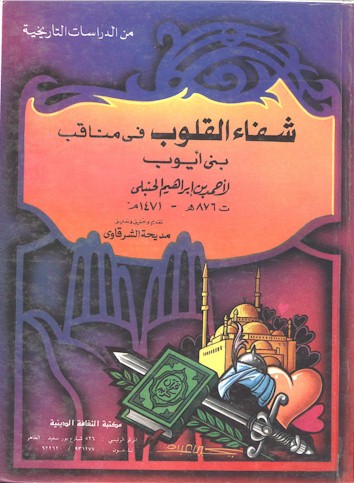 |
Shifa' al-Qulub fi Manaqib Bani Ayyub. | Ibn Ibrahim al-Hanbali, Ahmad (m. 876/1471) | 432p. | Maktabat al-Thaqafat al-Diniyah | 1996 | 0 | Ayyubids -- History -- Biography شفاء القلوب في مناقب بني أيوب لأحمد بن إبراهيم الحنبلي Shifāʼ al-qulūb fī manāqib Banī Ayyūb li-Aḥmad ibn Ibrāhīm al-Ḥanbalī ; taqdīm wa-taḥqīq wa-taʻlīq Madīḥah al-Sharqāwī |
 |
The Arab Conquest of Egypt, and the Last Thirty Years of the Roman Dominion. | Butler, Alfred J. | xxxiv,563p. maps | AMS | 1973(02) | 0 | Egypt -- History -- 640-1250 |
新着図書
Origins of the New and Middle Persian Phonological Systems.
1,500円 |
Grammaire du Persan Contemporain. nouvelle edition (Bibliotheque Iranienne, 61)
3,240円 |
Persian Composition.
1,512円 |
Post-Revolution Persian Verse.
770円 |
Elementary Persian Grammar.
880円 |
Rubaiyat of Omar Khayyam (Persian, Arabic, Urdu, Japanese, English & French). pictures by M. Tadjvidi, handwriting by Atel Honar
2,880円 |
The Legacy of Persia.
990円 |
Mute Dreams, Blind Owls, and Dispersed Knowledge: Persian poesis in the transnational circuity
1,280円 |
Close Up: Iranian Cinema, past, present and future.
1,650円 |
The New Iranian Cinema: politics, representation and identity.
1,760円 |
The Mirror of My Heart: a thousand years of Persian poetry by women.
6,545円 |
Modir-e Madraseh.
220円 |
The School Principal. tr. from Persian by J.K. Newton, intro. by M.C. Hillmann
900円 |
The Ethics of the Aristocrats and other Satirical Works. tr. by Hasan Javadi
1,512円 |
Socioeconomic and Political Changes in Safavid Iran, 16th and 17th Centuries. (Dissertation)
2,000円 |
Zamaneh, Zendegi va Karnameh-ye Bayhaqi. tr. by Mansureh Ettehadiyeh (Nizam Mafi) (Nashr-e Tarikh-e Iran)
500円 |
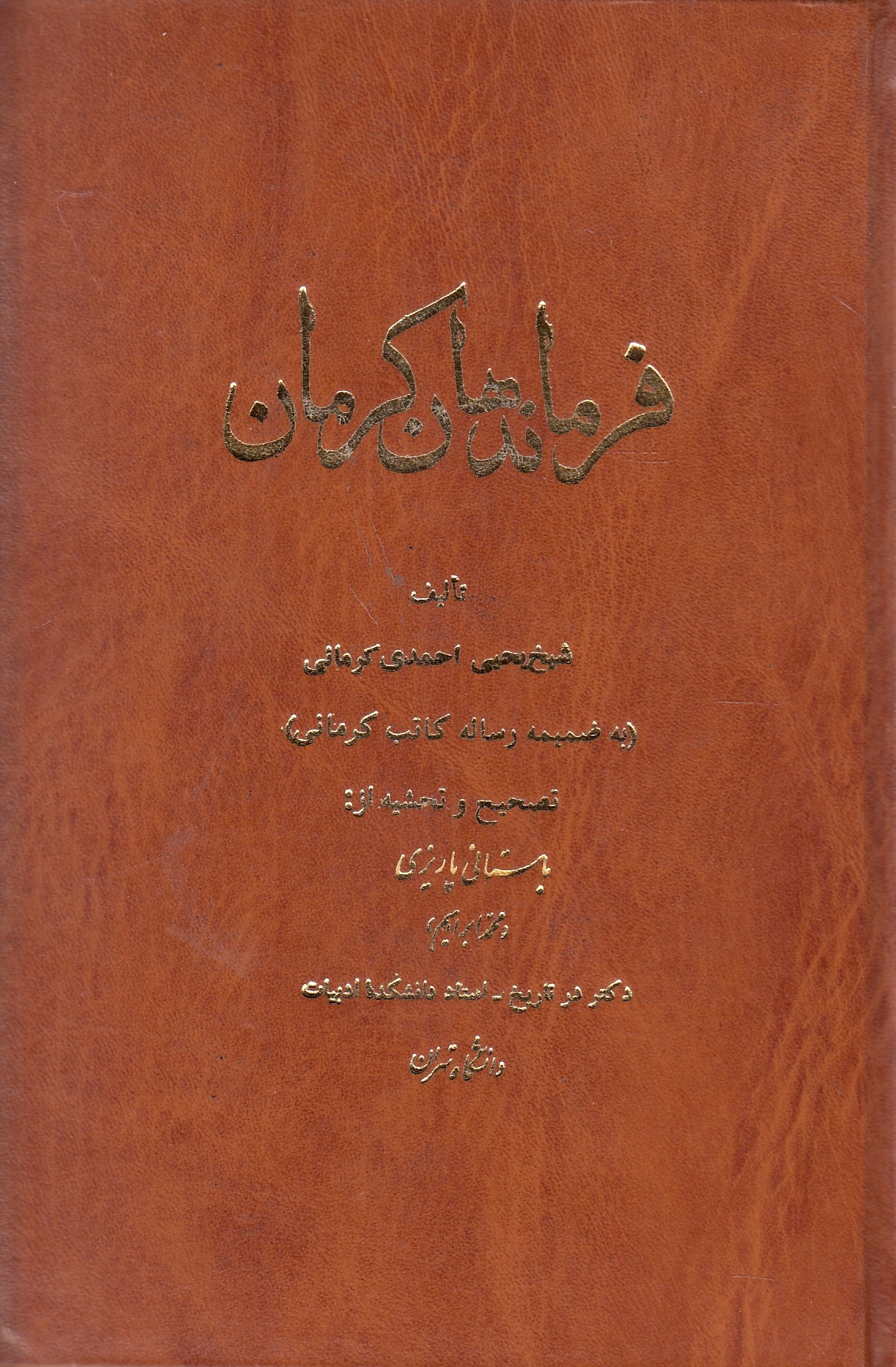
Tarikh-e Kerman (Salareyyah).
3,300円 |
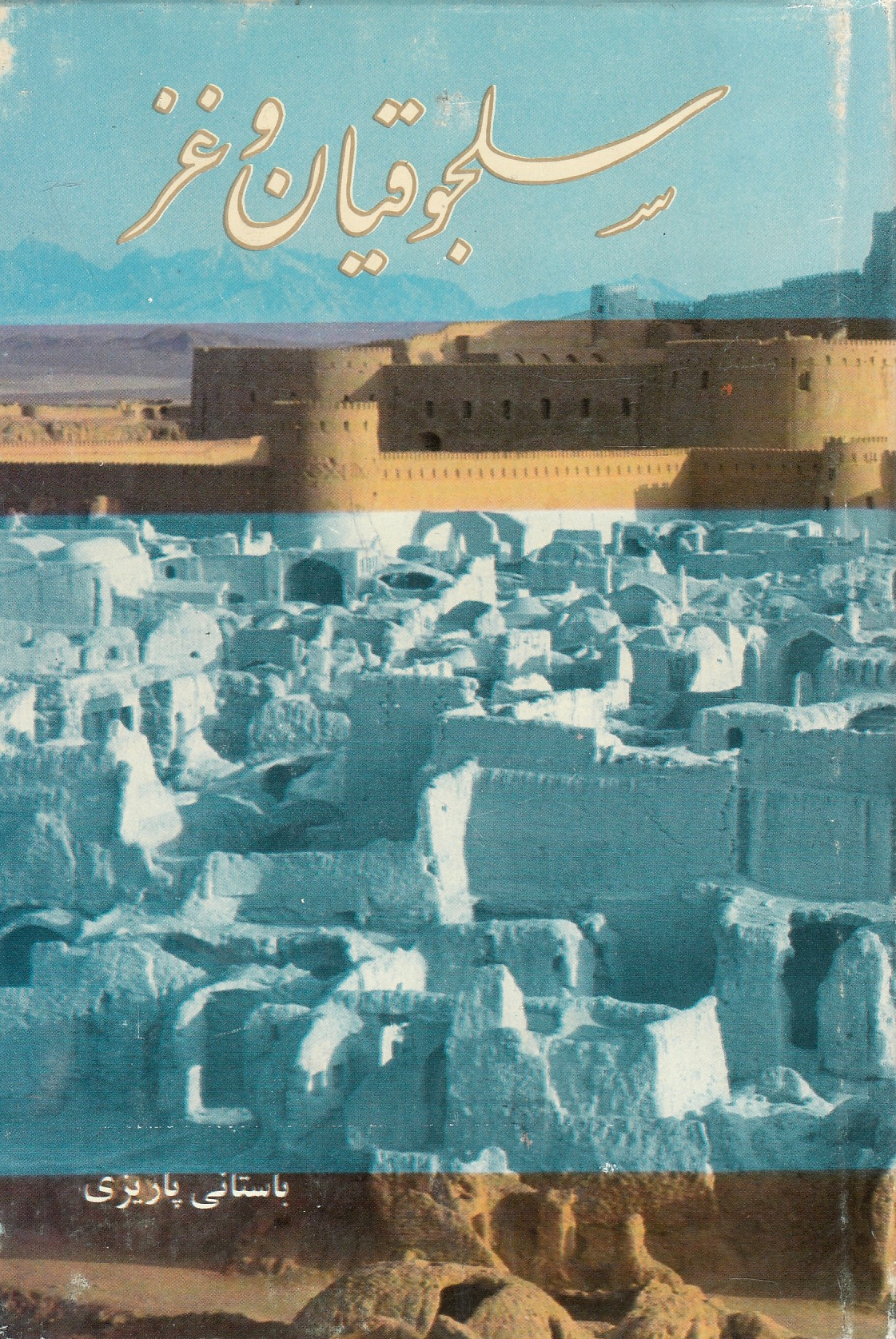
Saljuqeyan va Ghozz dar Kerman. ed. by Bastani Pariji
1,980円 |
Saljuqeyan va Ghozz dar Kerman. tahrir: Mirza Mohd. Ibrahim Khabisi, ed. by Bastani Pariji
1,600円 |
Iran: past, present and future: Aspen Institute/ Persepolis symposium.
900円 |
At War with Humanity.... a report on the human rights records of Khomeini's regime
400円 |
The Shah's Story: an autobiography. tr. from the French by T. Waugh
4,909円 |
Iran: past and present. 8th ed.
440円 |
Islamic Iran: revolution and counter revolution.
490円 |
Persia. intro. by H.A.L. Fisher (The Modern World)
2,200円 |
The Qashqʹāi of Iran : World of Islam Festival 1976
1,500円 |
Kerman: sarzamin-e tarikh va tabi'at: Kerman: land of history and nature.
1,540円 |
Russo-Persian Commercial Relations, 1828-1914. (U. of Florida Monographs, Social Sciences, No. 28, Fall 1965)
1,500円 |
The Rise and Fall of the Mojahedin Khalq, 1987-1997 : their survival after the Islamic revolution and resistance to the Islamic Republic of Iran
10,890円 |
History and Documentation of Human Rights in Iran tr. from Persian by Nazila Fathi (Persian Studies Series, No. 18)
4,072円 |
Iran and the World : continuity in a revolutionary decade
1,540円 |
Khomeinism : essays on the Islamic Republic.
1,320円 |
Shiʻism, Resistance, and Revolution.
3,430円 |
"The Government of God" : Iran's Islamic republic (The Modern Middle East Ser., 15)
1,472円 |
Islamic Society in Persia: an inaugural lecture delivered on 9 March 1954.
324円 |
The Period from the Arab Invasion to the Saljuqs (The Cambridge History of Iran, vol. 4)
2,800円 |
The Land of Iran. (The Cambridge History of Iran, vol. I)
2,800円 |
Atlas d'Iran.
1,620円 |
Tribal Rugs : an introduction to the weaving of the tribes of Iran
1,620円 |
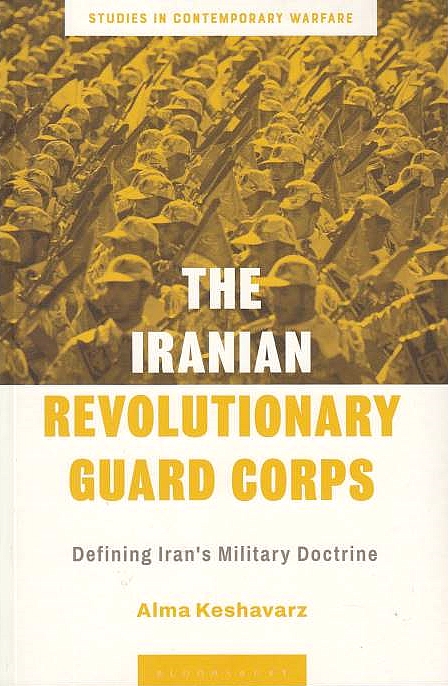
The Iranian Revolutionary Guard Corps: defining Iran's military doctrine. (Studies in Conrtemporary Warfare)
5,211円 |
Iran and the Global Economy : petro populism, Islam and economic sanctions. (Routledge political economy of the Middle East and North Africa series, 12)
1,650円 |
Iranian Student Opposition to the Shah.
3,827円 |
About Persia and its people : a description of their manners, customs, and home life, including engagements, marriages, modes of traveling, forms of punishments, superstitions, etc. (Gorgias Reprint Series, v. 3)
1,620円 |
Street Politics : poor people's movements in Iran
2,200円 |
Making Islam Democratic : social movements and the post-Islamist turn (Stanford Studies in Middle East and Islamic Societies and Cultures)
1,500円 |
Forgiveness Work : mercy, law, and victims' rights in Iran
4,846円 |
The Persians amongst the English : episodes in Anglo-Persian history.
2,727円 |
The English amongst the Persians : during the Qajar period 1787-1921.
2,727円 |
The Persian Revolution of 1905-1909. New edition (Persia Observed Series 1)
5,860円 |
Checkmate: fighting tradition in Central Persia. (The Middle East Collection)
1,500円 |
The Lion of Persia : a Political Biography of Prince Farmān-Farmā.
3,630円 |
Americans in Persia.
2,545円 |
Continuity and Change in Modern Iran.
1,210円 |
Roots of Revolution: an interpretive history of modern Iran, with a section by Yann Richard
1,100円 |
Avoir Vingt ans au Pays des Ayatollahs: vivre dans le ville sainte de Qom.
4,250円 |
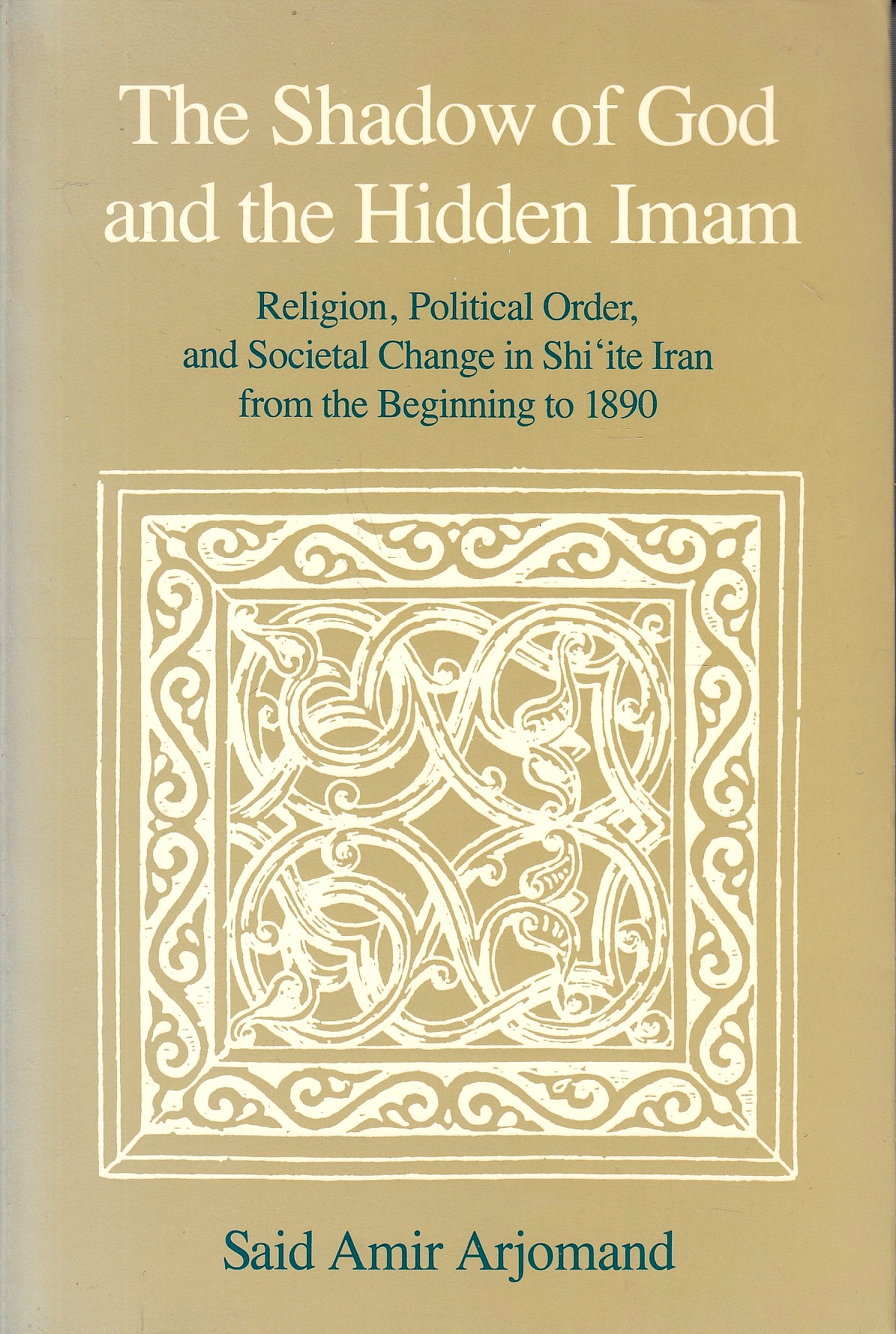
The Shadow of God and the Hidden Imam: religion, political order, and societal change in Shi'ite Iran from the beginning to 1890.
1,320円 |
Le Shi'isme en Iran: imam et revolution. (Initiation a l'Islam, X)
1,296円 |
L'Iran de 1800 a Nos Jours. (Champs Histoire)
1,296円 |
A History of Persia, from the beginning of the nineteenth century to the year 1858. tr. into English by Abrahan Hartwell (The Pahlavi Commemortive Reprint Series)
3,240円 |
The Royal Road: a popular history of Iran.
1,600円 |